- Vancouver 360-369-3586
- Portland 503-925-3504

Sewer Line Repair Vancouver WA
Camera Inspection, Trenchless Lining & Full Replacement — Free Estimates
- Fast Same Day Service
- No Obligation Estimate
- Commercial & Residential Plumbing




Check out our
coupons!
We Offer
*0%
Financing
-
 off
off
Any service for new customers!
(*Minimum Purchase Required)
EXPIRES 10/26 -
 off
off
Main Water Service Replacement
Call now for details!
EXPIRES 10/26 -
 off
off
Water Heater Replacement
Call now to schedule!
EXPIRES 10/26 -
 off
off
Rain Drain Clearings
(*Minimum Purchase Required)
EXPIRES 10/26 -
 off
off
Seniors & Military
(*Minimum Purchase Required)
EXPIRES 10/26


How It Works
Call Us
Call anytime, 24/7. A real person answers and schedules your appointment.
We Diagnose
Our plumber inspects, identifies the problem, and explains what is needed.
Upfront Quote
You get options with prices before any work begins. Your choice.
Expert Repair
Licensed plumber completes the work, cleans up, and walks you through it.
Sewer Line Repair — Vancouver & Portland
Why Sewer Line Problems Get Worse When You Wait
Sewer line damage is progressive. A small crack at a pipe joint that allows a single tree root to enter will become a root mass the size of a basketball within a year or two. A bellied section that pools an inch of water after each flush will accumulate sediment and grease until the pool becomes a full blockage. A corroded section of cast iron that has thinned to the point of seeping will eventually collapse under the weight of the soil above it. Every sewer line problem that is left unaddressed today becomes a more expensive problem tomorrow.
Sarkinen Plumbing encourages homeowners to address sewer line issues early, when the repair options are broader and the costs are lower. A spot repair on a single cracked joint is a fraction of the cost of replacing an entire sewer line that has failed in multiple locations because the initial problem was ignored. A camera inspection that costs a few hundred dollars can save thousands by catching a developing problem before it causes a full backup and sewage damage inside your home.
Schedule sewer inspection
Sewer Camera Inspection — See Before You Pay
Every sewer line project at Sarkinen Plumbing begins with a video camera inspection. We feed a high-resolution, waterproof camera through your sewer line from an accessible cleanout, recording the entire interior of the pipe in real time. You watch the footage alongside our technician on a monitor so you see exactly what we see — every crack, every root intrusion, every bellied section, and every offset joint. This is not a sales tool. It is a diagnostic necessity.
Without a camera inspection, any sewer line repair estimate is a guess. The camera tells us the pipe material, the location and depth of the damage, the condition of the surrounding pipe, and whether the problem is localized or systemic. This information determines the repair method, the materials, and the price. We record the inspection footage and provide it to you for your records. If you want a second opinion from another plumber, you have the video evidence to share with them.
Camera inspection included
Sewer Line Repair Options — From Spot Fixes to Full Replacement
The right sewer line repair method depends entirely on what the camera inspection reveals. Sarkinen Plumbing offers every repair method available — spot repair, trenchless pipe lining, pipe bursting, and traditional excavation — so we can recommend the option that makes the most sense for your specific situation rather than pushing the only method we happen to offer. A company that only does excavation will always recommend excavation. A company that only does lining will always recommend lining. We recommend what is actually best for your pipe.
Spot repair is appropriate for localized damage — a single cracked joint, a short collapsed section, or an isolated root ball. Trenchless pipe lining creates a new pipe inside the old one without digging, ideal for pipes with cracks and root entry points that are still structurally intact. Pipe bursting replaces the entire line by pulling a new HDPE pipe through the old one, fracturing it outward. Traditional excavation remains the best option for severely collapsed pipes, pipes that need rerouting, or situations where trenchless methods are not feasible.
Explore repair options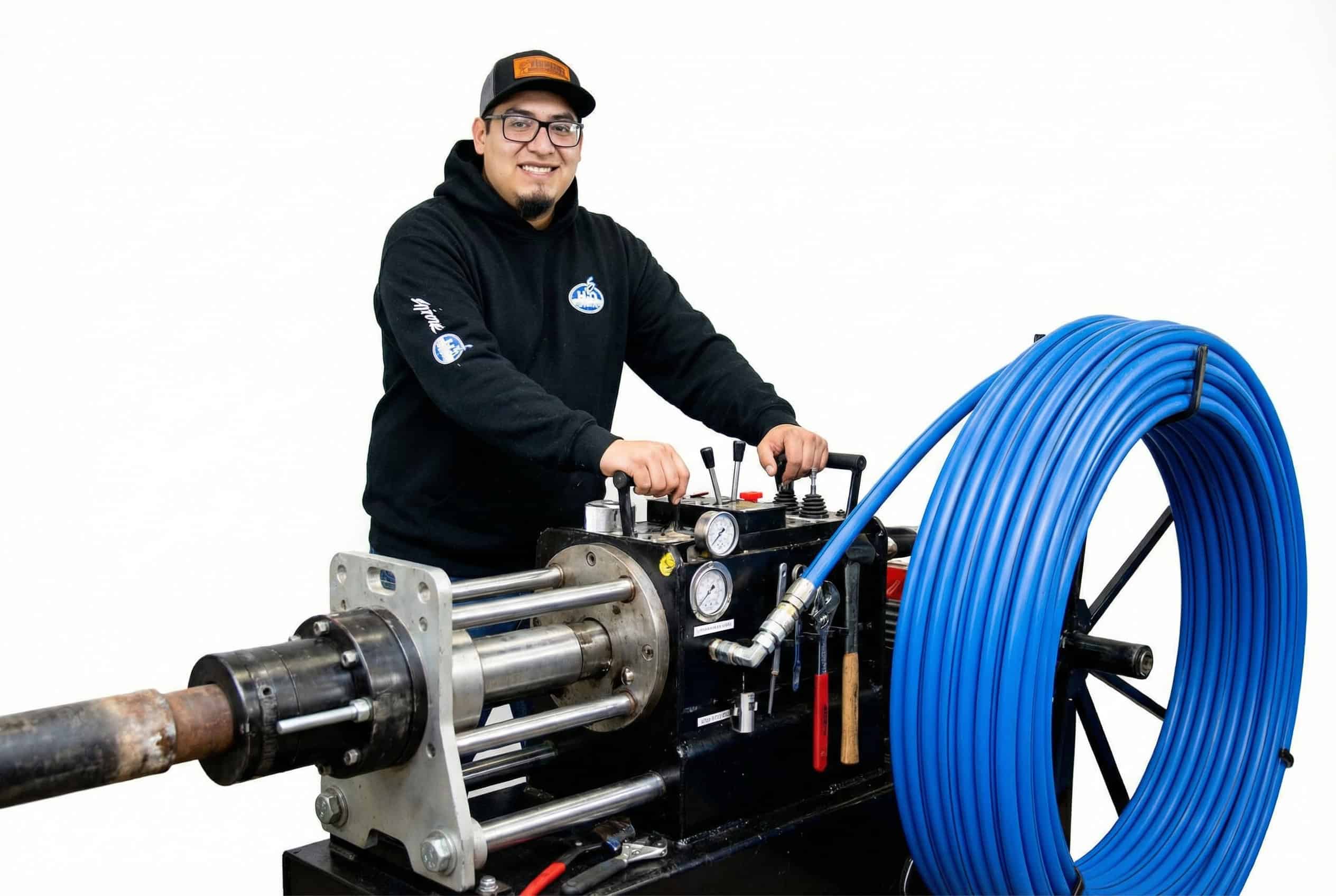
Our Sewer Line Repair Services
Tree Root Intrusion in Portland-Vancouver Sewer Lines
Tree root intrusion is the single most common cause of sewer line failure in the Portland-Vancouver metro area. The Pacific Northwest’s lush vegetation, abundant rainfall, and mature tree canopy create ideal conditions for root growth into sewer pipes. Roots seek out the moisture and nutrients that escape from even the smallest cracks in pipe joints, and once inside, they grow rapidly in the warm, nutrient-rich environment. Within months, a single root tendril becomes a dense root mass that catches toilet paper, grease, and debris until the pipe is fully blocked.
We see root intrusion in sewer lines throughout the metro area — from established neighborhoods in Portland’s inner eastside with towering Douglas firs to newer subdivisions in Battle Ground and Ridgefield where ornamental trees were planted too close to the sewer line. The repair approach depends on the extent of root penetration and the condition of the pipe. If the pipe is structurally sound with root entry only at joints, trenchless lining seals the entry points and prevents regrowth. If roots have crushed or collapsed the pipe, replacement via pipe bursting or excavation is necessary.
Root intrusion repair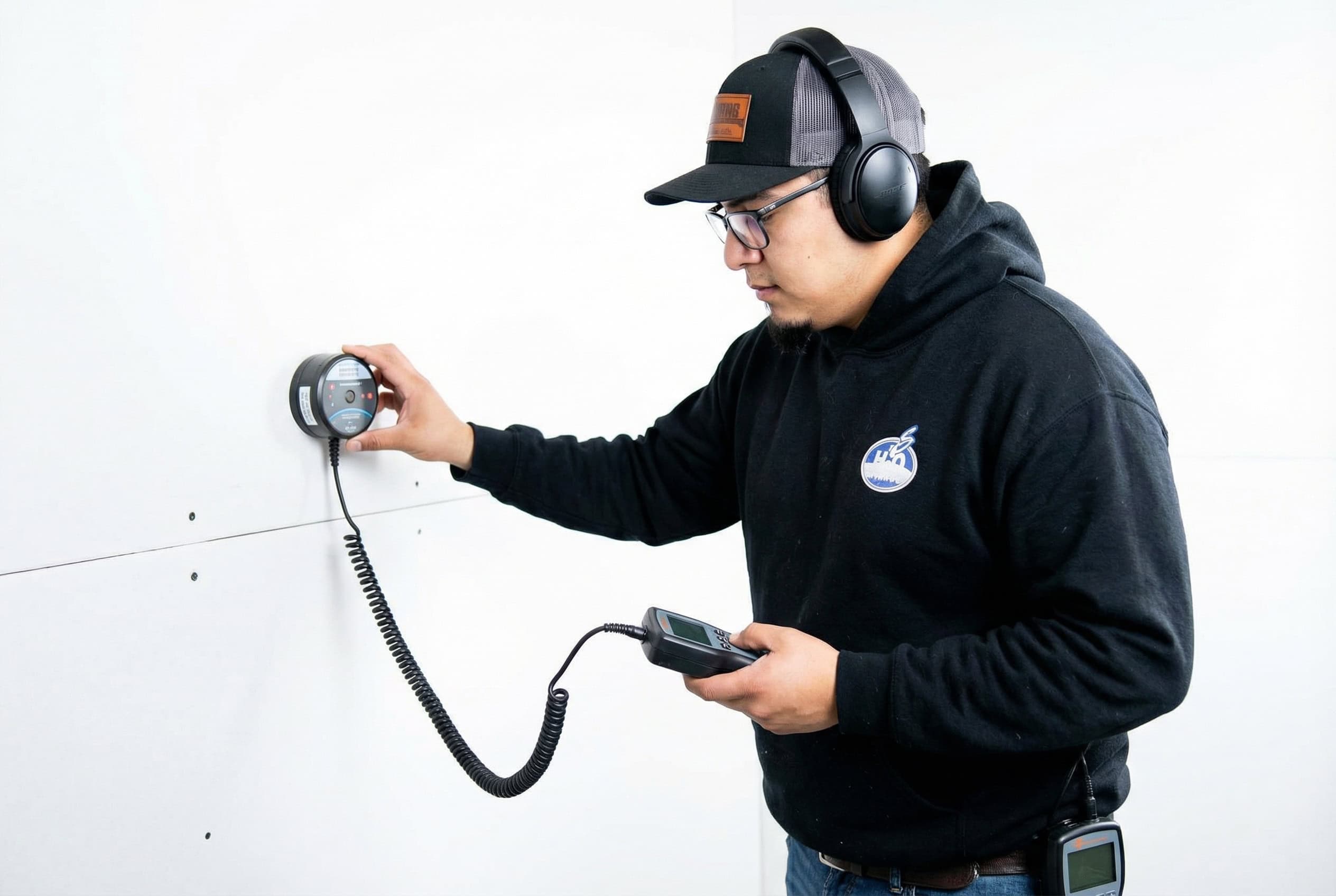
Aging Sewer Pipe Materials — Clay, Cast Iron, and Orangeburg
Many homes in the Portland-Vancouver area were built with sewer pipe materials that have a limited lifespan. Clay tile pipes, common in homes built before the 1960s, develop cracks at every joint and become increasingly vulnerable to root intrusion as the mortar seal deteriorates. Cast iron sewer pipes corrode from the inside over decades, with the bottom of the pipe (where water flows) deteriorating first. The pipe thins until holes develop and soil infiltrates the line, causing recurring clogs and eventual collapse.
Orangeburg pipe, used extensively from the 1940s through the 1970s, is perhaps the most problematic material we encounter. Made of compressed layers of tar-impregnated paper, Orangeburg was inexpensive and easy to install but was never designed to last more than 50 years. The material softens, deforms, and eventually collapses under soil pressure. If your home was built during these eras and the sewer line has never been replaced, a camera inspection is a wise investment that can reveal the pipe’s current condition before an unexpected failure forces an emergency replacement.
Aging pipe assessment
Trenchless Sewer Line Repair — No Digging Required
Traditional sewer line repair meant digging a trench across your entire yard from the house to the street, destroying everything in its path — lawns, gardens, driveways, sidewalks, and tree roots. The restoration costs after the pipe was fixed often exceeded the cost of the pipe repair itself. Trenchless repair technology has changed this equation dramatically, allowing us to repair or replace damaged sewer lines with minimal surface disruption.
We offer two trenchless methods. Pipe lining (CIPP) inserts a resin-coated liner into the existing pipe, inflates it against the pipe walls, and cures it into a smooth, seamless new pipe inside the old one. Pipe bursting pulls a new HDPE pipe through the old one, fracturing the old pipe outward as the new pipe takes its place. Both methods require only small access pits at each end of the line rather than a full-length trench. Your driveway stays intact, your landscaping is preserved, and the project is typically completed in one to two days instead of a week.
Trenchless sewer repair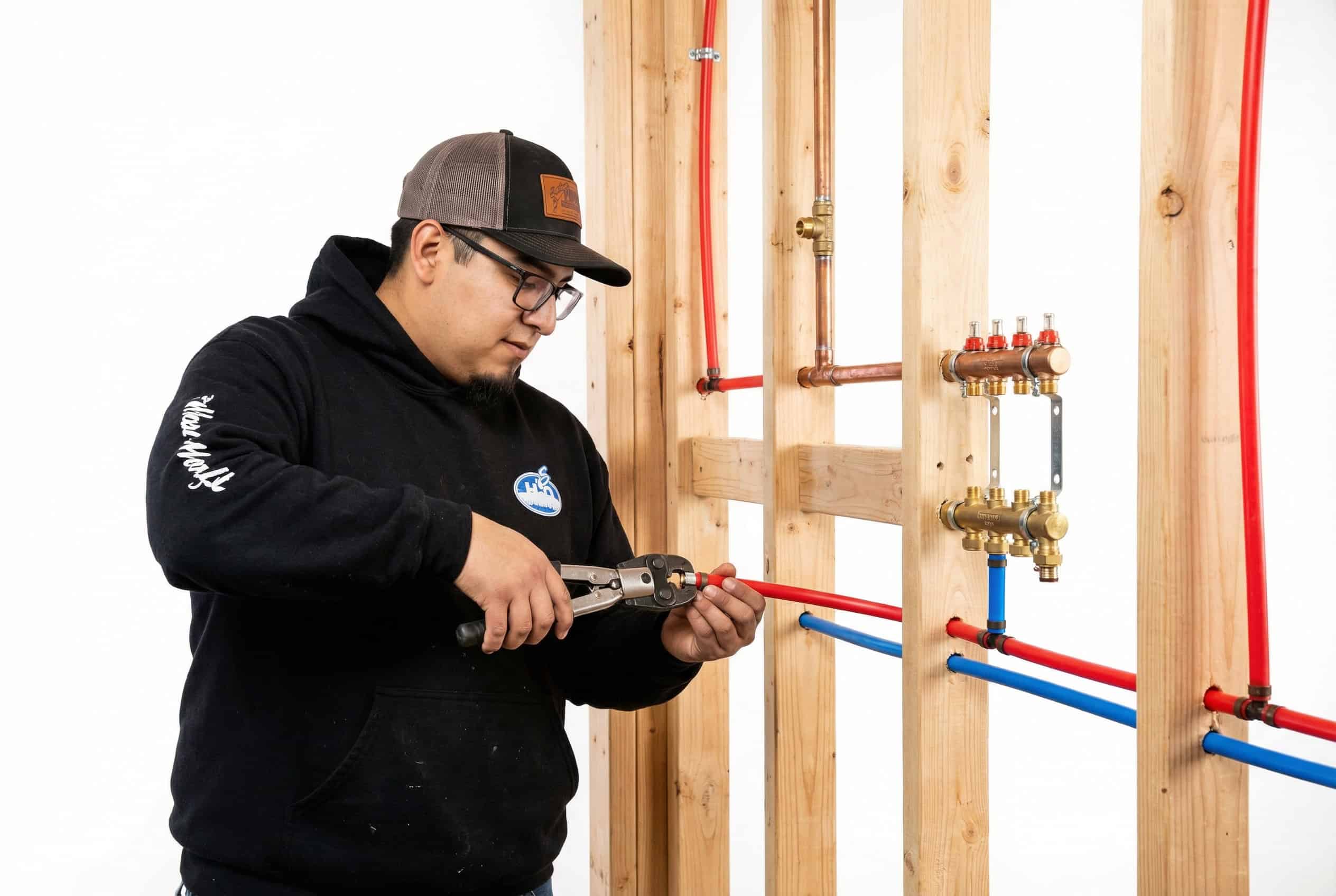
Bellied and Sagging Sewer Lines
A belly in a sewer line occurs when a section of pipe settles below the level of the surrounding sections, creating a low spot where water pools after each flush. Over time, this standing water collects sediment, grease, and debris that accumulate into a chronic blockage. The belly gets worse as the trapped material weighs the pipe down further. Bellied sewer lines are caused by soil settlement, poor compaction during original construction, erosion from nearby water sources, or the natural shifting of soil over decades.
Unlike root intrusion or pipe cracks, a bellied sewer line cannot be fixed with lining alone — the liner follows the contour of the existing pipe, including the belly. The bellied section needs to be excavated and re-laid at the proper grade to restore gravity flow through the line. Our sewer technicians identify bellied sections during camera inspection by noting where water pools and sediment collects. We then excavate only the affected section, re-grade the pipe, and backfill with properly compacted material to prevent future settling.
Bellied sewer repair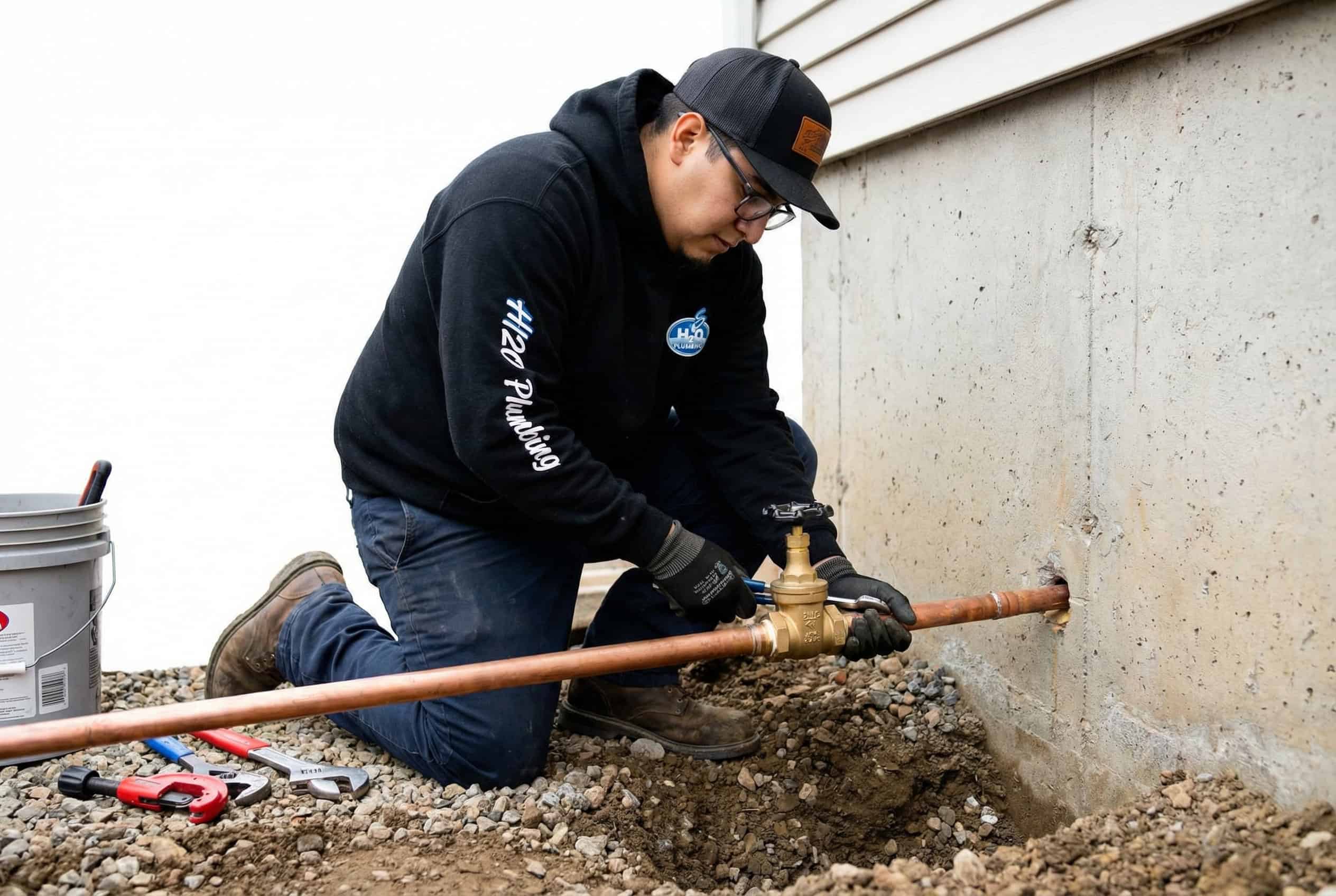
Emergency Sewer Line Repair for Active Backups
A sewer backup inside your home is a health emergency that demands immediate action. Raw sewage contains bacteria, viruses, and parasites that pose serious health risks, particularly to children, elderly family members, and anyone with a compromised immune system. The contaminated water saturates flooring, baseboards, and personal property, requiring professional cleanup and disinfection. Every minute the backup continues, the scope of contamination and the cost of remediation grow.
Sarkinen Plumbing responds to emergency sewer backups with the same urgency as any other plumbing emergency. Our first priority is clearing the blockage and restoring flow through the sewer line using cable machines or hydro-jetting. Once the immediate crisis is resolved, we perform a camera inspection to determine the cause of the backup — roots, collapse, grease, or obstruction — and recommend the appropriate repair to prevent recurrence. We can also connect you with trusted restoration companies for professional cleanup of any sewage-affected areas in your home.
Emergency sewer repair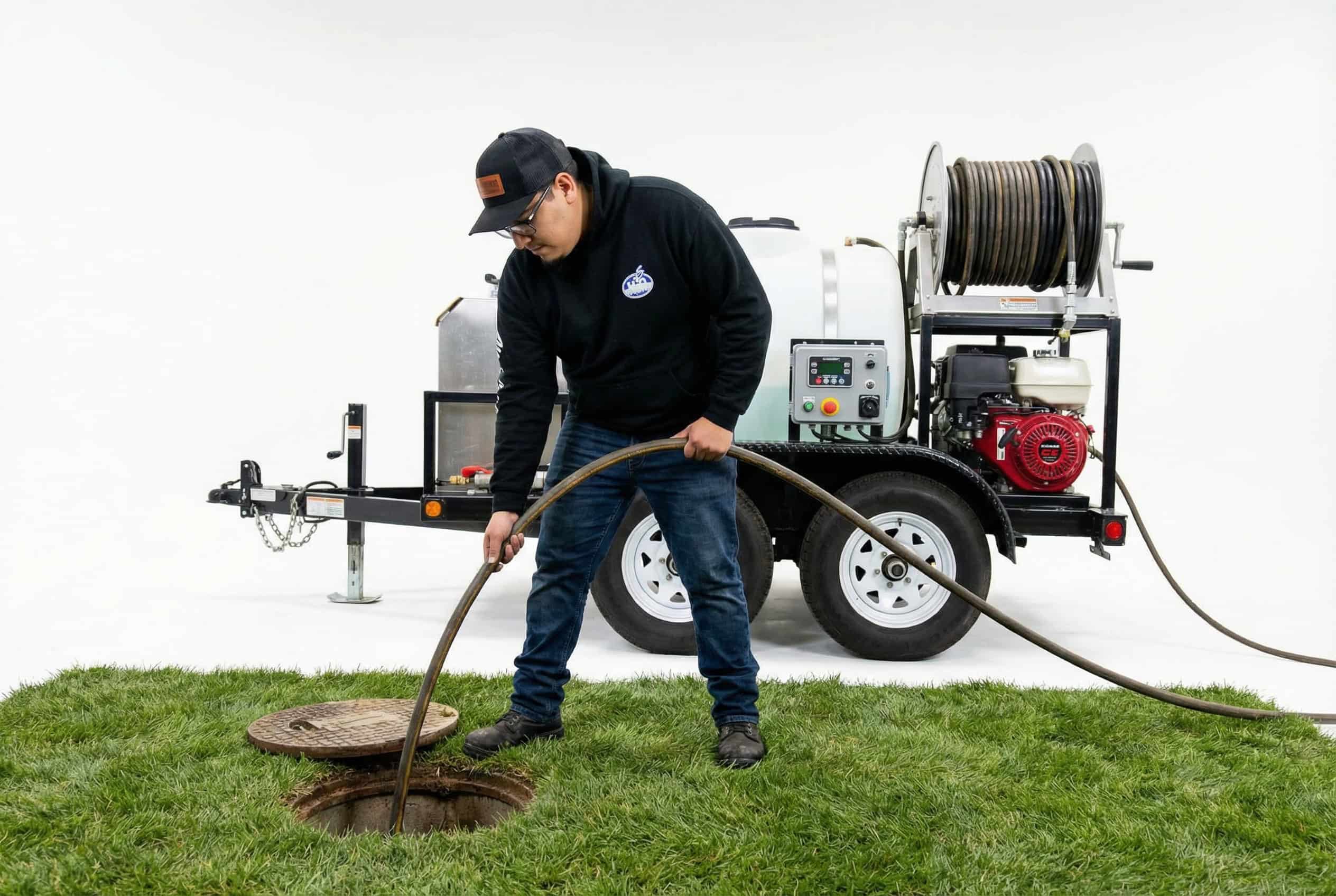
What Our Customers Say About Sewer Line Repair
Portland & Vancouver’s Best Local Plumber
-
“Sewer Line Repair with Minimal Yard Damage – Great Experience with Sarkinen Home Services During a house inspection, I was informed that a section of my sewer line leading to the street was broken and needed replacement. Unfortunately, the break was located in a beautifully landscaped area of our yard, and I was very concerned about the…”
 Lori Johnson
“Alex came out and jetted one of our main sewer lines. He did a great job and was quick. Used camera to show me everything and was informative thru the whole process.”
Mark Kalakian“Used for Water Main Line Repair: The estimate from Sarkinen was $2000 (!!) less than the 2 other estimates that I received for the repair of my main line. This is due to the fact that Sarkinen owns their own boring machine. Beyond this, they were extremely nice and helpful throughout the process and 0% financing is a no-brainer. I can’t see…”
Neil Medeiros“I would like to leave a review on work which was done today by Mike. I would like to say "Thank you very much, Mike!" for his nice work. Mike quickly fixed all problems with my clogged sewer, tested the drain system and gave me suggestions on how to avoid these situations in the future. He provided a lot of useful information about your…”
Sergey Nikishin -
“First off they are very polite and helpful on the phone. They scheduled a guy to come out quickly. The guy that came out was very polite and professional. He explained everything he was going to do and how much it would cost. We had different options and agreed on one of them. He went to work immediately and solved the problem. He…”
Daryl Sandberg“Total rockstars! All the folks were awesome, from the customer service team on the phone, to the estimate, to the team that completed the work! They even caught a couple issues that could quickly become serious and weren’t part of the original concern. Would definitely call them again!”
Shelley Caldwell“Knowledge, helpful, quick. Sociable and didn’t seem to mind my vocal dog. Great stuff.”
Nope Thanks“I’ve used Sarkinen Plumbing on some of my concrete construction projects. 1 in particular we installed a gas fire pit. Sarkinen Plumbing was quick with their estimate, timely with scheduling, and the work was done perfectly. This company is a great asset to any contractor and or homeowner and they stand by their work. 5 stars.”
Matthew Johnson -
“Tommy was wonderful, so helpful and explained everything that was going on/needed to be done and the why behind it very well. Highly recommended! :)”
Kayla Oien“They were easy to schedule at a time which worked for me. They came during the promised timeframe, called when they were 20 minutes out. They worked efficiently and were courteous.”
Kathy“Nick did a great job diagnosing the issue and was quick to fix. Very professional”
Lee Hays“Brock was right on time and answered all of my questions. He was knowledgeable and thorough. Thank you!”
Nicole Flanagan
Why Vancouver & Portland Homeowners Choose Sarkinen
Upfront, Fair Pricing
No hidden fees, no overtime charges. You get a clear, written price before any work begins. Same rate day or night.
Licensed in WA & OR
Dual-state licensing (WA #SARKIPI946MF, OR #170052) means we serve the entire Portland-Vancouver metro.
24/7 Emergency Service
We answer the phone day and night. A licensed plumber is dispatched immediately — at your door within 60-90 minutes.
Satisfaction Guaranteed
Every repair backed by our workmanship guarantee. Background-checked, drug-tested plumbers who treat your home with care.
Cities We Serve for Sewer Line Repair
Washington
Sewer Line Repair Questions & Answers
Common signs of a damaged sewer line include multiple drains backing up simultaneously, sewage odors in the yard or near drain openings, patches of unusually green or lush grass over the sewer line path, sinkholes or depressions in the yard, and gurgling sounds from toilets when other fixtures are used. A sewer camera inspection is the definitive way to determine the condition of your sewer line.
The most common causes are tree root intrusion, which is especially prevalent in the Pacific Northwest due to mature trees and moist soil; pipe deterioration from age, particularly in homes with original cast iron or clay sewer pipes; ground shifting and soil settlement; corrosion from chemical exposure and soil conditions; and physical damage from construction or landscaping work above the pipe.
Sewer line repair costs vary significantly depending on the extent of damage, the repair method used, the depth and accessibility of the pipe, and local soil conditions. A spot repair on a shallow, accessible section costs considerably less than a full line replacement in a deep trench. Trenchless methods may have higher material costs but lower labor and restoration costs. We provide a sewer camera inspection with any repair quote so you know exactly what needs to be done.
Sewer line repair addresses specific damaged sections while leaving the rest of the line intact. This is appropriate when the damage is localized. Sewer line replacement involves removing and replacing the entire sewer line from the house to the city connection. This is necessary when the pipe has deteriorated throughout its length, has multiple failure points, or is made of a material that has reached the end of its useful life.
Yes. We include a sewer camera inspection as part of any sewer line assessment. The camera is a waterproof video unit on a flexible cable that we feed through the sewer line from an access point. The live video feed shows the interior condition of the pipe in real time, including root intrusion, cracks, offsets, bellied sections, and buildup. We record the inspection so you can see exactly what we see.
A spot repair on a shallow, accessible section can often be completed in a single day. A full sewer line replacement with traditional excavation typically takes two to three days. Trenchless repairs using pipe lining or pipe bursting are often completed in one to two days. We provide a time estimate along with your repair quote.
Schedule Sewer Line Repair Today
Call now or schedule online. Same-day service available.
- Vancouver 360-369-3586
- Portland 503-925-3504
Vancouver Location
Proudly Serving
Portland and Vancouver
from Wilsonville to Longview &
Hillsboro to Gresham
UBI # 602-521-027
OR Contractor Lic# 170052 (CCB)
WA Contractor Lic# SARKIPI946MF
OR Plumber Lic# PB115
Customer Satisfaction
4.6 stars - Based on 227 Reviews







Quick Links
Plumbing Services
SW Washington Service Areas
Oregon Service Areas
Contact Information
Sarkinen PlumbingVancouver
9502 NE 72nd Ave
Vancouver, WA 98665
Phone: 360-369-3586
Portland
Phone: 503-925-3504
Hours of Operation
Monday - Sunday 24-hours