- Vancouver 360-369-3586
- Portland 503-925-3504
New Construction Plumber Vancouver WA
Rough-In, Top-Out & Finish for New Builds and Additions — Licensed in WA & OR
- Fast Same Day Service
- No Obligation Estimate
- Commercial & Residential Plumbing



Check out our
coupons!
We Offer
*0%
Financing
-
 off
off
Any service for new customers!
(*Minimum Purchase Required)
EXPIRES 10/26 -
 off
off
Main Water Service Replacement
Call now for details!
EXPIRES 10/26 -
 off
off
Water Heater Replacement
Call now to schedule!
EXPIRES 10/26 -
 off
off
Rain Drain Clearings
(*Minimum Purchase Required)
EXPIRES 10/26 -
 off
off
Seniors & Military
(*Minimum Purchase Required)
EXPIRES 10/26


How It Works
Call Us
Call anytime, 24/7. A real person answers and schedules your appointment.
We Diagnose
Our plumber inspects, identifies the problem, and explains what is needed.
Upfront Quote
You get options with prices before any work begins. Your choice.
Expert Repair
Licensed plumber completes the work, cleans up, and walks you through it.
New Construction Plumbing — Vancouver & Portland
Why the Plumbing Contractor You Choose for New Construction Matters
The plumbing system inside a new building is one of the most permanent components of the structure. Unlike paint, flooring, or fixtures that can be changed relatively easily, the supply pipes, drain pipes, and vent pipes hidden inside walls and beneath the foundation are intended to last for the life of the building. A plumbing system that is properly designed and installed will deliver reliable water pressure, efficient drainage, and trouble-free operation for decades. A system that is poorly designed or carelessly installed will cause problems that are expensive and disruptive to correct.
Sarkinen Plumbing brings over 20 years of new construction experience to every project. We have plumbed hundreds of new homes and commercial buildings throughout the Portland-Vancouver metro, working with general contractors, builders, architects, and owner-builders from the design phase through final inspection. Our new construction plumbers understand the sequence of construction, the coordination required with other trades, and the building codes specific to every jurisdiction in the metro area.
New construction plumbing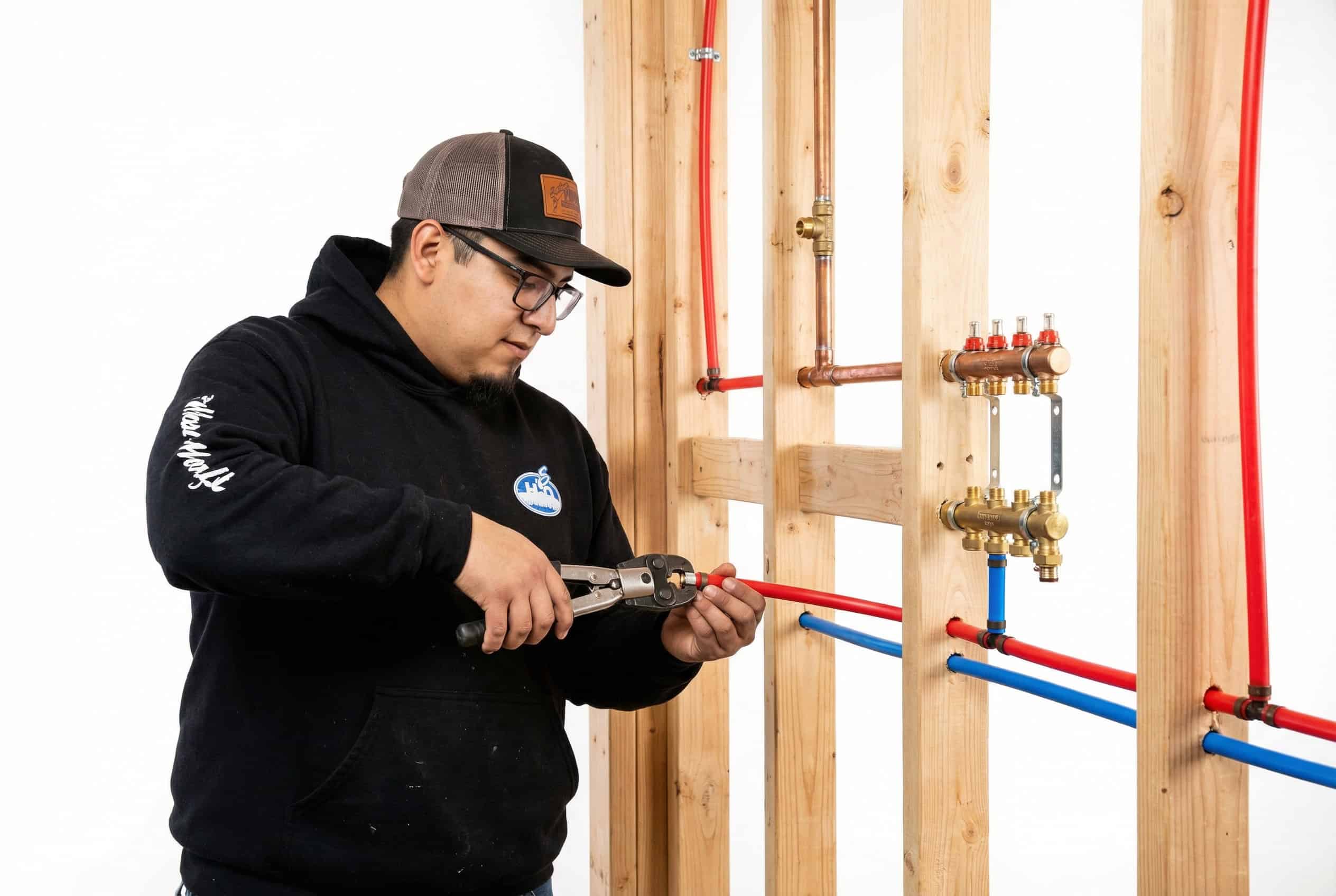
Full-Service New Construction Plumbing from Design to Final Inspection
New construction plumbing involves five distinct phases, and Sarkinen Plumbing handles all of them. Design review ensures the plumbing layout works within the structural and mechanical plans. Underground rough-in installs the sewer connection, under-slab drains, and water service line before the foundation is poured. Above-ground rough-in runs all supply, drain, vent, and gas pipes through the framing before drywall is installed. Finish plumbing installs all fixtures, faucets, and connections after the walls and floors are finished. Final inspection verifies that everything meets code.
Each phase must be completed correctly before the next can begin, and each is inspected by the building department before the work is covered by concrete or drywall. Our plumbers understand the sequencing and work within the construction timeline to avoid delays that affect other trades. When we commit to a rough-in date, we show up and get it done. When the building department calls for inspection, the work is ready. This reliability keeps the overall construction project on schedule.
Plan your build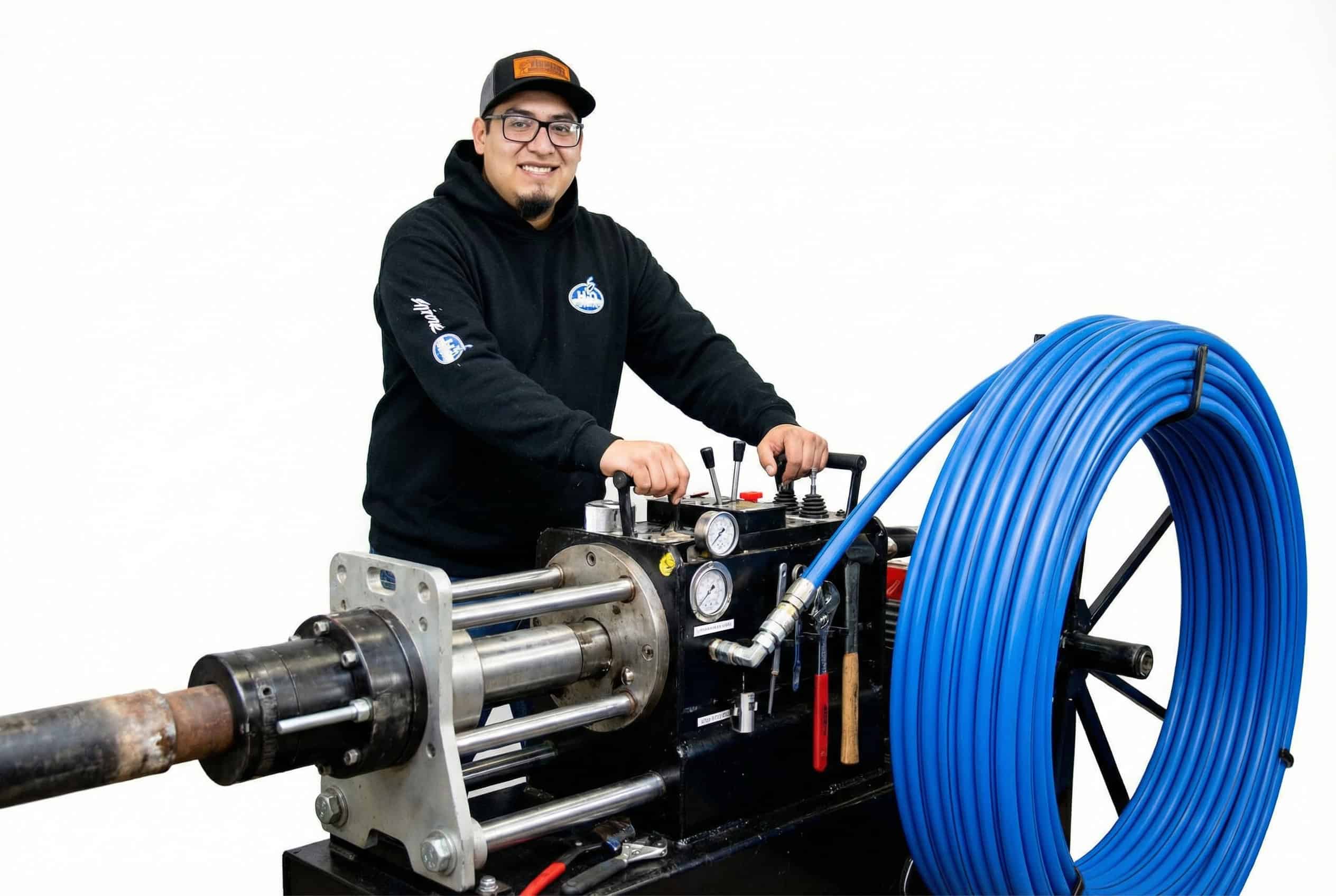
Code Compliance Across Washington and Oregon Jurisdictions
Building codes for plumbing vary between Washington and Oregon, between counties, and even between individual cities within the Portland-Vancouver metro. Pipe material requirements, venting configurations, gas line specifications, and fixture clearance dimensions can all differ depending on which jurisdiction your project falls under. A plumbing contractor unfamiliar with these local variations may install work that passes code in one city but fails inspection in another.
Sarkinen Plumbing’s dual-state licensing and decades of local experience mean we know the specific code requirements in Clark County, Multnomah County, Washington County, Clackamas County, and every city within them. We build to the current code for your specific jurisdiction every time, and our work passes inspection without the rework and delays that inexperienced contractors encounter. This code knowledge is particularly valuable for projects near the Washington-Oregon border, where the builder may be based in one state and the project located in the other.
Code-compliant work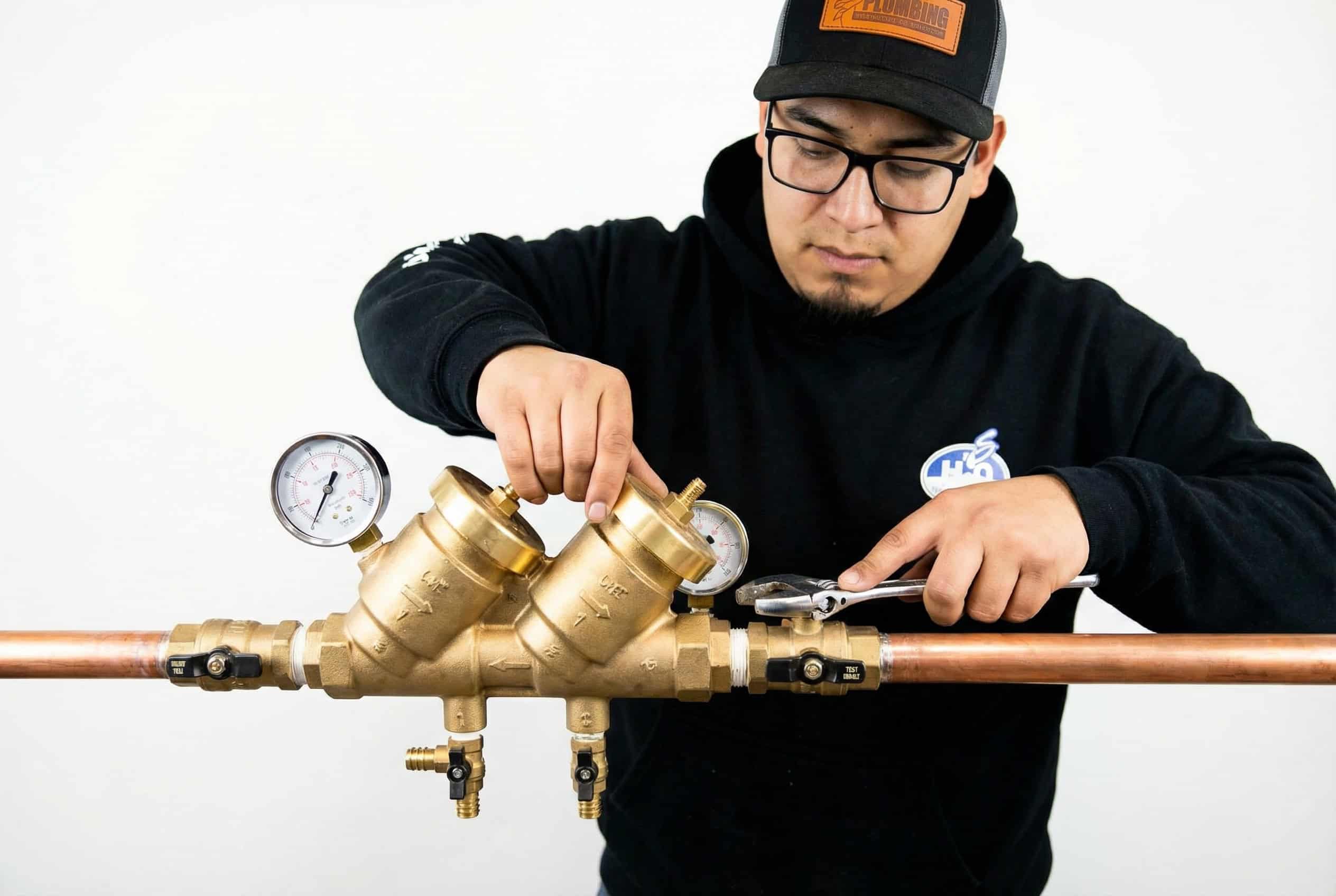
Our New Construction Plumbing Services
Underground Plumbing Rough-In for Slab and Crawl Space Foundations
The underground rough-in is the most critical phase of new construction plumbing because once the foundation is poured or the subfloor is installed, changes to the underground plumbing are extremely expensive and disruptive. For slab-on-grade construction, we install the sewer line from the building to the city connection, all under-slab drain lines for ground-floor fixtures, and the water service entry point before concrete is poured. The layout must be precisely positioned because the foundation is poured around the pipe stubs.
For crawl space and basement foundations, the underground work includes the sewer connection and the main water service line. Interior drain and supply lines are run through the crawl space or basement rather than under the slab, which provides easier access for future maintenance and modifications. Regardless of foundation type, the underground rough-in is inspected by the building department before it is covered. Our crews double-check every measurement and elevation before calling for inspection, ensuring the work passes on the first visit.
Underground rough-in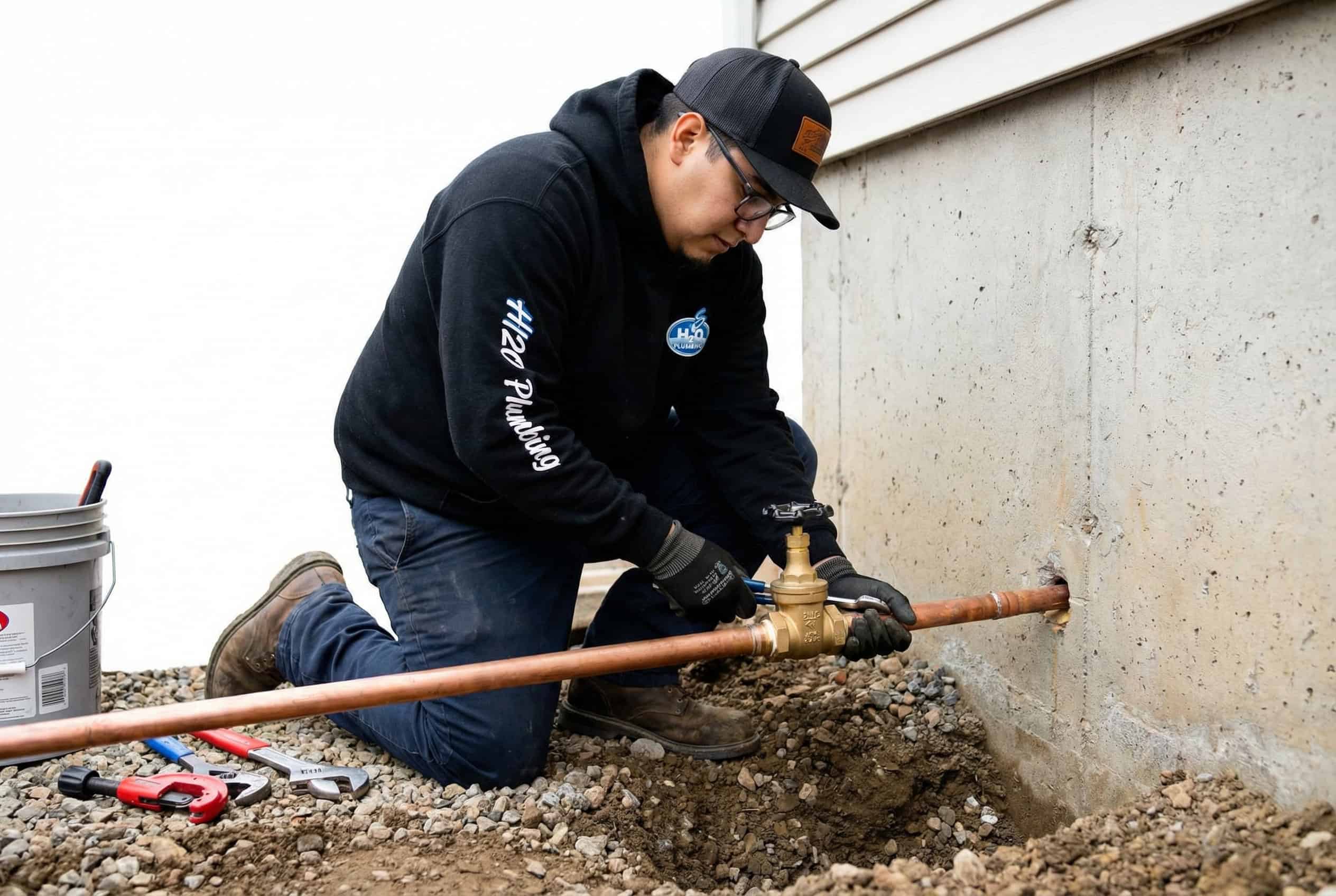
Above-Ground Rough-In — Supply, Drain, Vent, and Gas
After framing is complete and before drywall is installed, our plumbers run all above-ground piping through the walls, floors, and ceilings. Water supply lines are routed from the main entry point to every fixture location in the building — sinks, toilets, showers, bathtubs, washing machine, dishwasher, ice maker, outdoor hose bibs, and any specialty fixtures. We use PEX for most residential supply lines, often with a manifold system that provides dedicated lines to each fixture for consistent pressure.
Drain and vent pipes are installed for every fixture, connecting back to the main drain stack and extending through the roof for venting. Gas lines are run to the water heater, furnace, gas range, gas fireplace, gas dryer, and any other gas appliances specified in the plans. The rough-in phase requires careful coordination with the framing crew (to ensure stud and joist penetrations do not compromise structural integrity), the HVAC contractor (to avoid ductwork conflicts), and the electrician (to maintain required clearances between pipes and electrical wiring).
Rough-in plumbing
Finish Plumbing — Fixtures, Faucets, and Final Connections
Finish plumbing happens after drywall, flooring, and cabinetry are installed. This is when all the fixtures that homeowners and occupants interact with daily are connected: kitchen sinks and faucets, bathroom sinks and faucets, toilets, bathtubs and shower valves, garbage disposals, dishwasher connections, washing machine hookups, the water heater, and outdoor hose bibs. Each fixture is connected to the rough-in stubs, tested for proper operation, and checked for leaks.
Finish plumbing is the most visible phase of the plumbing installation — everything our plumbers install during this phase is on display in the finished home. We take pride in clean, precise fixture installations with properly aligned trim, tight connections, and no drips or leaks. We coordinate our finish work with the general contractor’s completion schedule, showing up at the right time to install fixtures without conflicting with countertop installers, painters, or flooring crews.
Finish plumbing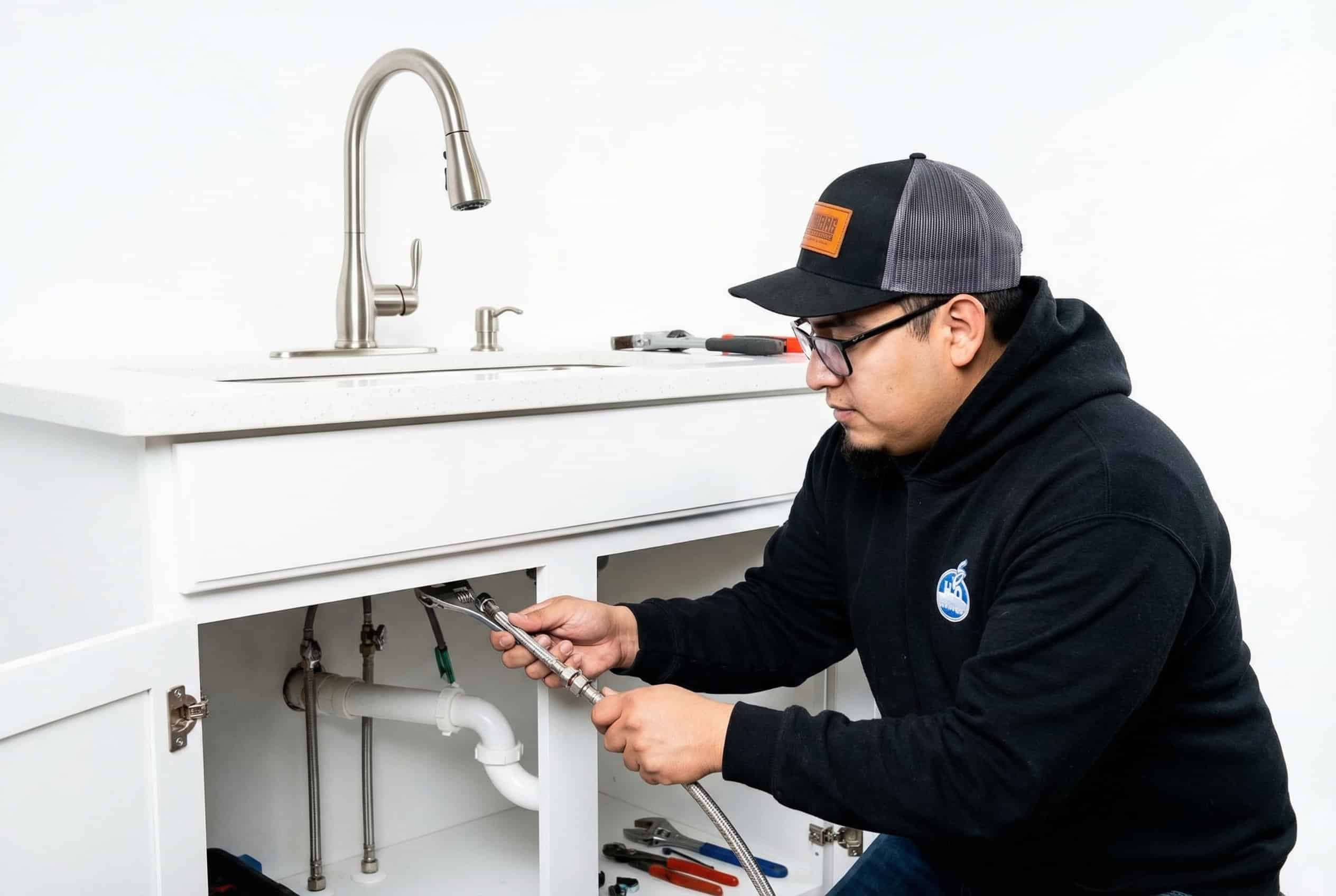
Custom Home Plumbing — Complex Layouts and Premium Fixtures
Custom homes often feature plumbing requirements that go beyond standard residential construction. Multiple-head shower systems with body sprays and rain heads require careful valve selection and water supply sizing to deliver adequate pressure to all heads simultaneously. Freestanding soaking tubs need dedicated supply lines and specialized drain connections. Outdoor kitchens with sinks, refrigerators, and gas grills require supply and drain lines run to exterior locations. Radiant floor heating, steam showers, and whole-house water filtration add additional complexity.
Our new construction team has experience with all of these custom installations. We work with the architect and homeowner during the design phase to plan the plumbing layout for complex features, ensuring the rough-in accommodates every fixture and system specified in the plans. We coordinate closely with the builder to avoid surprises during construction, and we source specialty fixtures and components well in advance to prevent scheduling delays.
Custom home plumbing
Commercial New Construction Plumbing
Commercial new construction plumbing involves larger pipe sizes, more complex drainage calculations, and stricter code requirements than residential work. Restaurants need grease interceptors sized for their kitchen output. Medical facilities need specialized plumbing for sterilization equipment and medical gas systems. Multi-unit residential buildings need supply systems that deliver consistent pressure to every unit and drainage systems that handle the combined output of dozens of fixtures.
We work with architects, engineers, and general contractors on commercial new construction projects from the design phase through final inspection. Our commercial plumbing team reviews architectural and mechanical drawings, provides plumbing layout recommendations, coordinates with structural engineers on pipe penetration locations, and installs systems that meet commercial plumbing codes in every jurisdiction we serve. Our dual-state licensing is particularly valuable for commercial projects near the Washington-Oregon border.
Commercial construction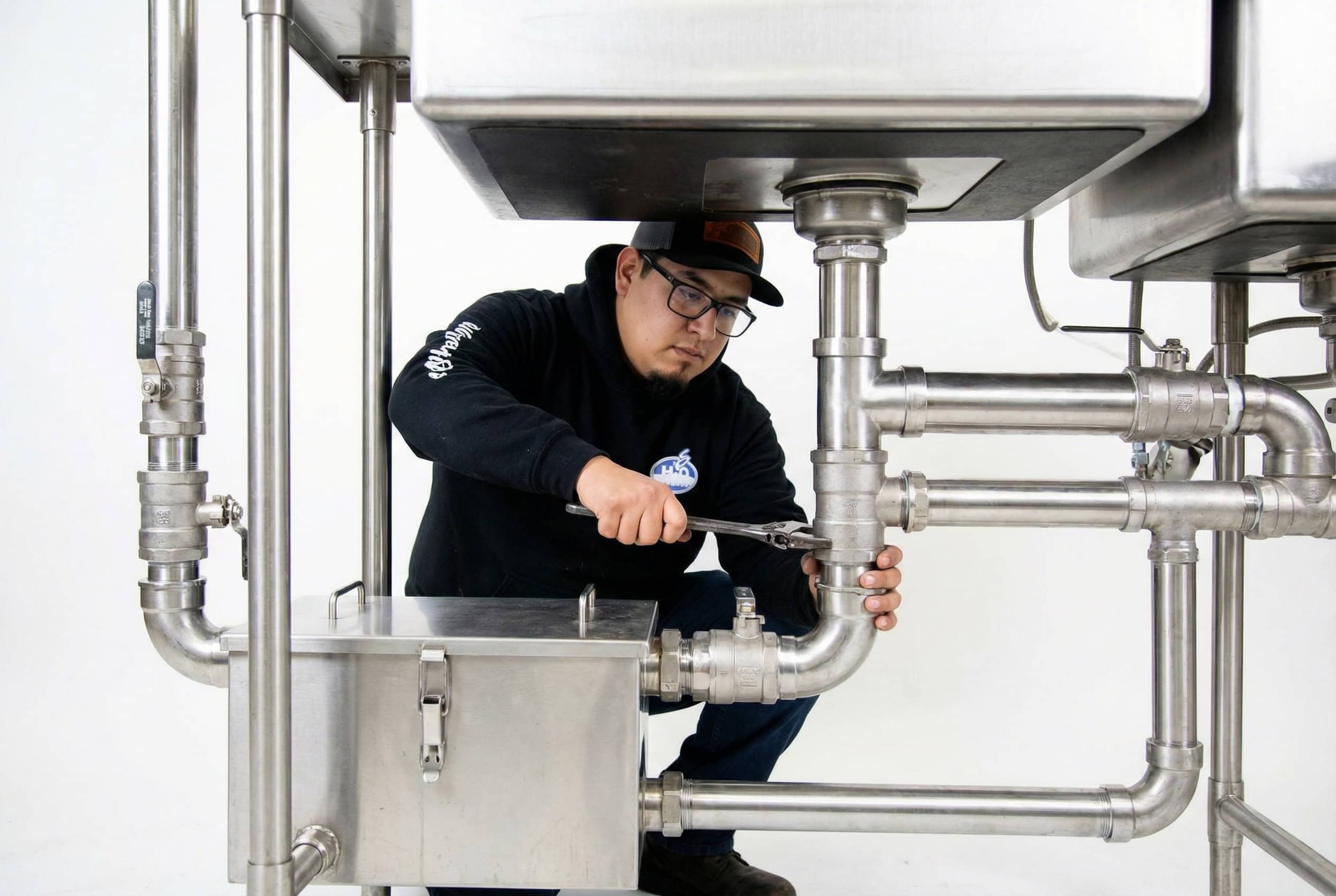
What Our Customers Say About New Construction Plumbing
Portland & Vancouver’s Best Local Plumber
-
“The team was professional and worked well together. I thought each worker knew his job well. They were respectful and I was impressed. I would reccomend your company to others.”
 Susan Pointer
“The crew reviewed the location of my new dishwasher installation, then gave me an outline of cost. Once that was done they worked quickly to remove the old device and place the new one for me. Both crewmembers were polite, worked efficiently together and were quiet through the process.”
K Latta“A few minutes late for both jobs, but everything was completed quickly and efficiently once they got here. Appreciated the quick response and same and/or next day service! Thanks!”
Sandy Granich“Alex was really helpful and had great customer service. He gave me lots of pointers and advice on how to keep my system working best!”
angel ordaz -
“From the beginning of the project to the end we were glad that we chose Sarkinen plumbing. Joe did an excellent job and kept us informed along the way. We were very impressed with his attention to detail and overall professionalism!”
Shore Beckel“Very prompt and efficient.They worked around my schedule and made the process so easy. I felt 100 percent comfortable with them in my home as well. Highly recommend their service.”
Cassandra Crippen“Alex G was great, efficient and friendly!”
Deborah Johnson“I’ve used Sarkinen Plumbing on some of my concrete construction projects. 1 in particular we installed a gas fire pit. Sarkinen Plumbing was quick with their estimate, timely with scheduling, and the work was done perfectly. This company is a great asset to any contractor and or homeowner and they stand by their work. 5 stars.”
Matthew Johnson -
“Very happy with the work !!”
curt ruthruff“Had Alex from Sarkinen out today. He dealt with both my problems pretty fast, super straightforward, no weird up-sells. Was just such a relief, much appreciated help”
Andrew Wetzel“The person who came to our home was so kind and professional, well-dressed and knowledgeable. Highly recommend!!”
Serena Talcott Baughman“Matthew was very knowledgeable, friendly and efficient with our plumbing problem.”
Alan Adler
Why Vancouver & Portland Homeowners Choose Sarkinen
Upfront, Fair Pricing
No hidden fees, no overtime charges. You get a clear, written price before any work begins. Same rate day or night.
Licensed in WA & OR
Dual-state licensing (WA #SARKIPI946MF, OR #170052) means we serve the entire Portland-Vancouver metro.
24/7 Emergency Service
We answer the phone day and night. A licensed plumber is dispatched immediately — at your door within 60-90 minutes.
Satisfaction Guaranteed
Every repair backed by our workmanship guarantee. Background-checked, drug-tested plumbers who treat your home with care.
Cities We Serve for New Construction Plumbing
Washington
New Construction Plumbing Questions & Answers
Ideally, you should involve a plumber during the design phase, before construction begins. The plumbing layout affects foundation design (sewer and water rough-in locations), wall framing (supply and drain pipe routing), and fixture placement. Starting early prevents costly changes later. If you are already under construction, we can work with your general contractor at any stage, but the earlier the better.
Plumbing rough-in includes installing all supply and drain pipes inside walls, under floors, and through the foundation before drywall is installed. This includes water supply lines to every fixture location, drain and vent pipes from every fixture to the main sewer line, gas piping for water heaters and any gas appliances, water heater connections, and hose bib rough-ins. Rough-in is inspected by the building department before walls are closed.
Yes. We pull all required plumbing permits, coordinate with the building department for inspections at each required stage (underground, rough-in, and final), and ensure all work passes inspection. Permit fees and inspection coordination are included in our project price.
Yes. We work with general contractors, builders, and owner-builders on new construction projects throughout the Portland-Vancouver metro. We coordinate our schedule with other trades to keep the project on track, and we communicate directly with the GC about timing, progress, and any issues that arise.
Yes. We install plumbing systems for single-family homes, duplexes, multi-family buildings, and commercial properties. Commercial projects often have more complex plumbing requirements, including larger pipe sizes, grease interceptors, backflow prevention, and compliance with commercial plumbing codes. We are experienced in both residential and commercial new construction.
For water supply lines, we use PEX or copper, depending on code requirements and homeowner preference. PEX is the standard in most new residential construction due to its flexibility, durability, and cost-effectiveness. For drain, waste, and vent (DWV) piping, we use ABS or PVC per local code. For gas piping, we use black iron pipe or CSST (corrugated stainless steel tubing). We discuss material options during the planning phase and make recommendations based on the project requirements.
Schedule New Construction Plumbing Today
Call now or schedule online. Same-day service available.
- Vancouver 360-369-3586
- Portland 503-925-3504
Vancouver Location
Proudly Serving
Portland and Vancouver
from Wilsonville to Longview &
Hillsboro to Gresham
UBI # 602-521-027
OR Contractor Lic# 170052 (CCB)
WA Contractor Lic# SARKIPI946MF
OR Plumber Lic# PB115
Customer Satisfaction
4.6 stars - Based on 227 Reviews






Quick Links
Plumbing Services
SW Washington Service Areas
Oregon Service Areas
Contact Information
Sarkinen PlumbingVancouver
9502 NE 72nd Ave
Vancouver, WA 98665
Phone: 360-369-3586
Portland
Phone: 503-925-3504
Hours of Operation
Monday - Sunday 24-hours