- Vancouver 360-369-3586
- Portland 503-925-3504

Oregon City Plumber
Emergency Drain, Sewer & Water Heater Service — Same-Day, No Overtime
- Fast Same Day Service
- No Obligation Estimate
- Commercial & Residential Plumbing




Check out our
coupons!
We Offer
*0%
Financing
-
 off
off
Any service for new customers!
(*Minimum Purchase Required)
EXPIRES 10/26 -
 off
off
Main Water Service Replacement
Call now for details!
EXPIRES 10/26 -
 off
off
Water Heater Replacement
Call now to schedule!
EXPIRES 10/26 -
 off
off
Rain Drain Clearings
(*Minimum Purchase Required)
EXPIRES 10/26 -
 off
off
Seniors & Military
(*Minimum Purchase Required)
EXPIRES 10/26


customer reviews
Oregon City’s Best Local Plumber
-
“The men that came to recipe my house were very efficient and quick.”
 Karen Aho
“The plumbers were on time, and very professional. They explained my problem, showed me what they were going to do to fix it. And, then why did it!”
Erling Jenson“Sarkinen found errors that a previous popular plumber did. They even worked with me on finances and were very kind. Thank you!”
Jenna buescher Hill“Quick service, high quality repair, fair price”
Kamron Miller -
“Up front prices Super friendly technician Easy to get appointments”
Biker Brian“Wonderful crew! Dustin and Ricky were professional and friendly. I will want to use them again.”
Whooptiewowzers“Alex came to work on our grinder pump, and discovered there was a breaker flipped causing the pump to not run. He took the time to fully remedy the issue and educate us on preventing potential issues from occurring in the future. Top notch, totally cared about our situation and helping us. Will never call anyone else. Sarkinen is our plumber.”
stephanie pratt“Very quick and efficient service. Very happy with work and will definitely use them in the future.”
Jim Bratager -
“I cannot say enough great things about Sarkinen Plumbing! The two technicians who came out were absolutely fantastic—quick, thorough, professional, and incredibly kind. They went above and beyond to make sure everything was done perfectly, and their attention to detail really stood out. After experiencing some serious “plumbing trauma” in the…”
Lyndsay Maderis“Friendly, quick, accurate”
Alyssa Faden“The tech was very efficient and worked neatly I’m very satisfied”
Linda Hubbard“Quick, professional and friendly! Dustin ELL and the young man he was working with on 3/11/2025”
Kelli Landry
Professional Plumbing Services
Residential & Commercial Plumbing Contractor


Hire a Local Oregon City Plumber

5-Star Plumbing Service Guarantee
We Deliver Same-Day Service When You Need Help Now
Tony Sarkinen started as an apprentice plumber and journeyman in 1991 and got his experience with several companies throughout Clark County. In 2003, Tony opened his own business which was built on hard work and exceptional customer service. He wanted a business where all his employees treat their customers the way he wanted to be treated. Tony Sarkinen has achieved those goals. Today, the Sarkinen Plumbing team continues to grow and serve the Portland, Oregon, and SW Washington communities in the same manner as when Tony began the company all those years ago. To ensure all work is up to industry standards, our technicians provide our signature 5-star plumbing service and follow our exceptional code of ethics.
Simply put, we are here to provide you and your family with incredible customer service. Sarkinen Plumbing provides quality service to our customers with name-brand reliable products. Our technicians have everything they need to conduct a fast, efficient, and clean work area no matter where the job. We guarantee our work from start to finish and follow up to assure everything is to your satisfaction.
READ MORE ABOUT USOregon City Plumbing Experts
Trenchless Sewer Repair Through Oregon City’s Basalt Bluff
The basalt bluff that divides Oregon City into upper and lower tiers is one of the city’s most dramatic features — and one of its most expensive plumbing obstacles. Homes in Barclay Hills and Canemah sit atop this volcanic rock formation, and their sewer laterals must navigate down through or along it to reach the main sewer lines below. When those laterals fail, traditional repair methods hit a literal wall: excavating through basalt requires rock-breaking equipment, creates massive disruption to landscaping and hardscape, and drives costs far beyond what the same repair would cost in soil. A lateral replacement that might cost a few thousand dollars in a flat Portland neighborhood can run two to three times that on the Oregon City bluff when open-trench excavation through rock is the only option.
Trenchless methods change that equation dramatically. Cured-in-place pipe lining inserts a flexible, resin-saturated liner through the existing lateral, inflates it against the pipe walls, and cures it into a rigid new pipe inside the old one. No trenching. No rock breaking. No destruction of the established landscaping that Barclay Hills and Canemah homeowners have invested years in creating. For laterals that are too collapsed for lining, pipe bursting pulls a new HDPE pipe through the old one, fracturing the existing pipe outward as it goes. Both methods require only small access pits at the lateral’s endpoints — not a continuous open trench down the bluff. We start every Oregon City bluff-area sewer project with a camera inspection to determine which trenchless method is appropriate, because the pipe’s interior condition and alignment dictate which approach will produce the best long-term result.
Explore trenchless repair options
Century-Old Pipe Systems in Oregon City’s Canemah Neighborhood
Canemah predates Oregon City’s modern development by generations, and some of its homes carry plumbing histories that stretch back to the late 1800s. A Canemah home built in 1890 or 1910 may have started with rudimentary lead pipe water service, been partially updated with galvanized steel in the 1940s, received a bathroom addition plumbed in copper during the 1960s, and had a kitchen renovation with PEX connections in the 2000s. The result is a system where four or five different pipe materials, joining methods, and code standards coexist — each with its own failure mode and repair requirements. Lead solder at joints, dissimilar metal connections that accelerate galvanic corrosion, and undersized original service lines that cannot keep up with modern water demand are all part of the diagnostic puzzle.
Our approach in Canemah is to map what exists before recommending what should change. We trace supply and drain lines through the home, identify every material transition, test water pressure and flow at key points, and note which sections are original, which have been updated, and which are in active failure. From there, we develop a phased modernization plan that tackles the most dangerous and deteriorated systems first. Lead service lines and supply pipes are always priority one — they represent a health risk that supersedes all other considerations. Corroded galvanized supply lines come next, followed by failing cast iron waste stacks. This phased approach allows Canemah homeowners to modernize their plumbing progressively without the financial shock of a full-house renovation, and each phase delivers immediate improvements in water quality, pressure, and reliability.
Schedule a repipe assessment
Flood Protection for Oregon City’s Downtown and River-Level Homes
Oregon City’s historic downtown and the neighborhoods along McLoughlin Boulevard sit in the Willamette River’s flood zone, where high water events send river levels rising against foundations, into crawl spaces, and — critically — back through sewer laterals. When the river rises high enough to submerge sewer mains, the wastewater in those mains has nowhere to go. Without a backflow prevention device on the home’s sewer lateral, that pressurized sewage can reverse course and enter the home through floor drains, toilets, and shower drains on the lowest level. The contamination and damage from a sewer backflow event is severe: raw sewage requires professional remediation, and affected flooring, drywall, and furnishings typically must be demolished and replaced.
We install backflow prevention devices for Oregon City homeowners in flood-prone areas, and we consider it essential infrastructure — not optional. A properly installed backflow preventer uses a gate valve or check valve to allow wastewater to exit the home normally while blocking any reverse flow from the main during high-water events. We also install and maintain sump pump systems for downtown and river-level properties where groundwater infiltration during flood events threatens crawl spaces and basements. Annual testing of both backflow preventers and sump pumps is critical because these systems sit dormant for most of the year and must perform immediately when conditions escalate. We schedule pre-season testing each fall so Oregon City homeowners enter the wet season with confidence that their flood protection is ready.
Ask about flood protection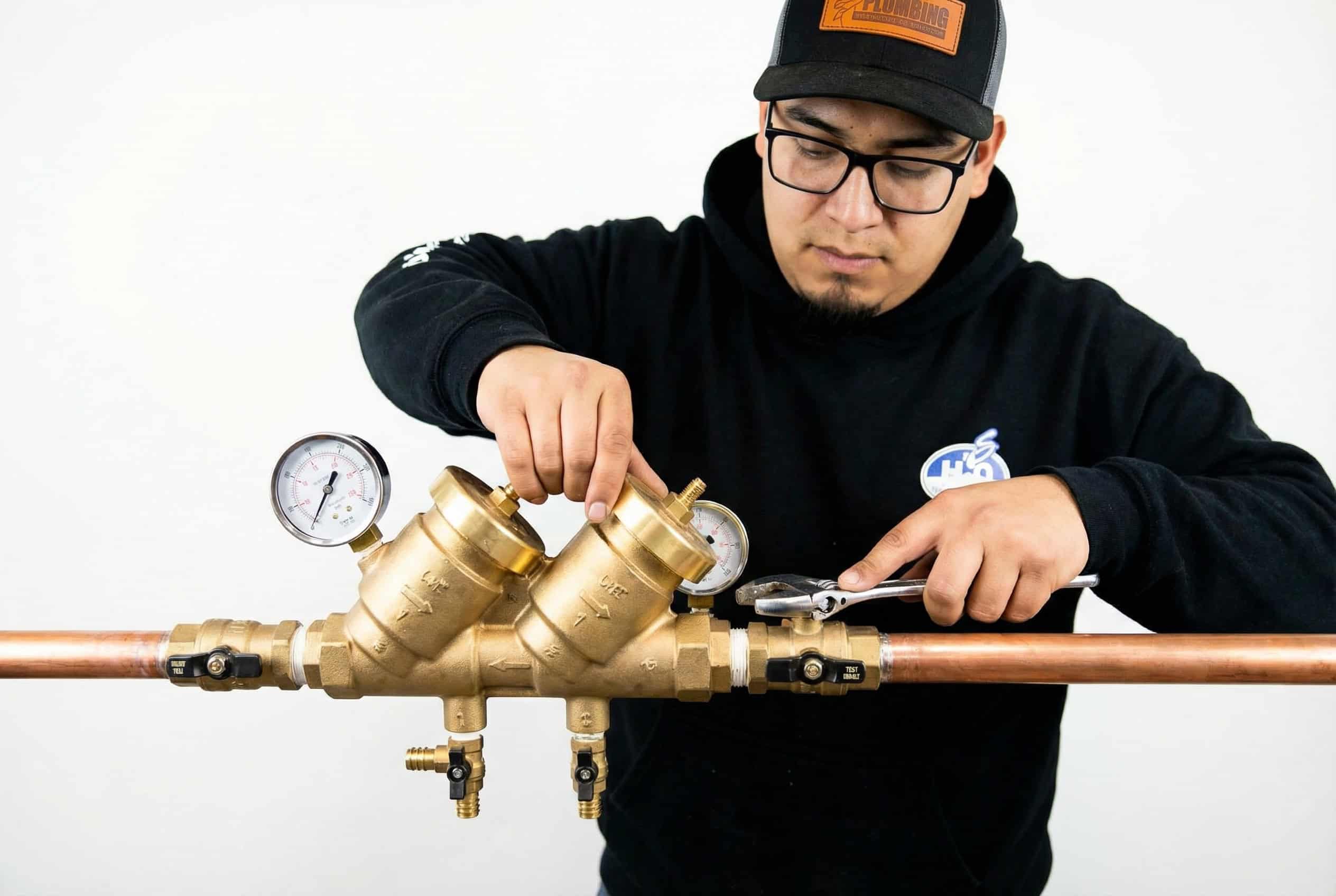
Water Heater Challenges in Oregon City’s Park Place Homes
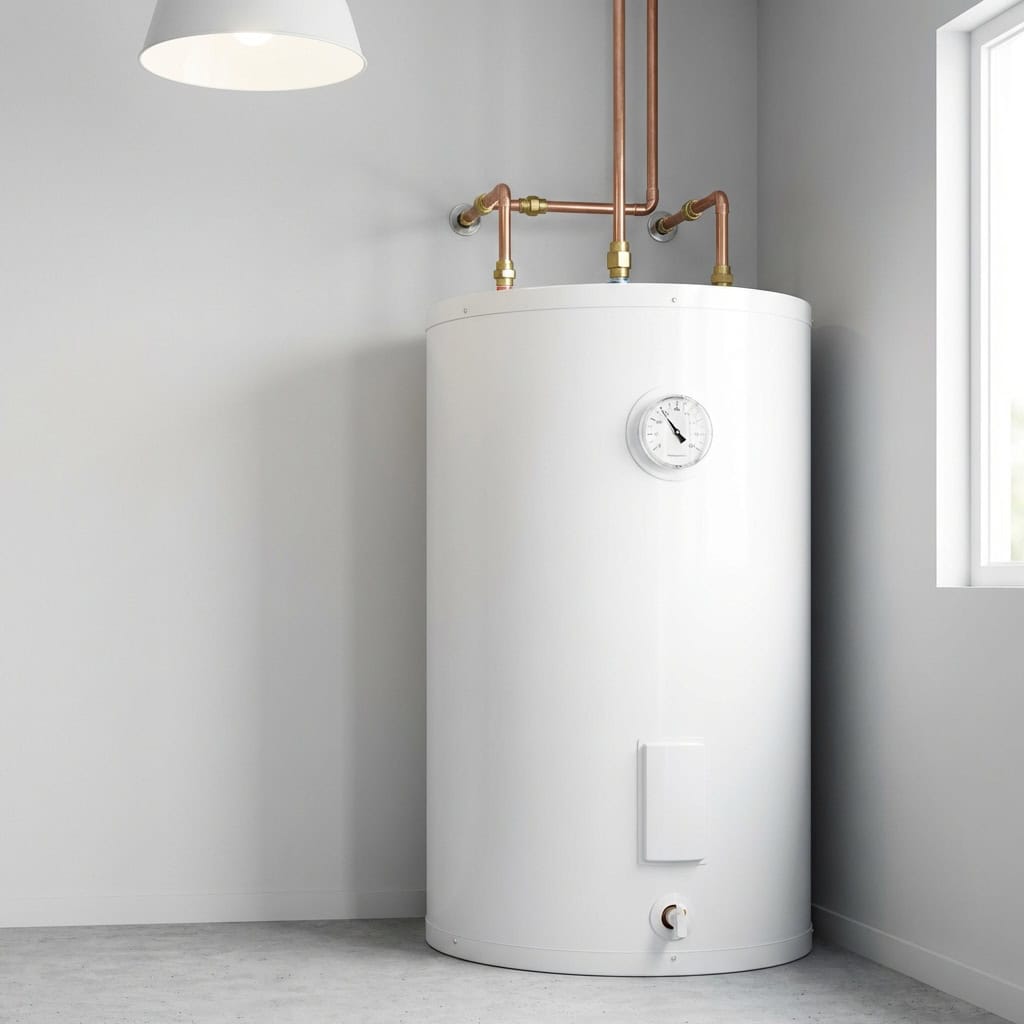
Park Place’s residential streets are lined with ranch homes and split-levels built during the 1960s through the 1980s — solid, unpretentious houses that have served their families well for decades. The water heaters in these homes are typically on their second or third unit, installed in garages or utility rooms where they are easy to access but also subject to the temperature swings that Oregon City’s climate brings. A garage-mounted water heater in Park Place contends with ambient temperatures that range from the mid-30s during winter nights to the mid-90s during summer afternoons, forcing the unit to work harder during cold months and contributing to accelerated wear on the thermostat, burner assembly, and tank liner.
Many Park Place water heaters were also installed before current code requirements were updated. Older installations may lack earthquake strapping, thermal expansion tanks, proper venting clearances, or adequate combustion air supply. When we replace a water heater in Park Place, we bring the entire installation up to current Clackamas County code — not just the tank itself. That includes proper earthquake strapping to resist seismic movement, an expansion tank to protect the system from thermal pressure, code-compliant venting, and a drain pan connected to an appropriate discharge point. These additions cost relatively little but protect the home and its occupants from risks that the original installation did not account for. We help Park Place homeowners choose between standard and high-efficiency tank models based on the household’s demand, and we handle permitting and inspection through Clackamas County.
Get water heater service
Drain Problems in Oregon City’s Aging Clay Sewer Laterals
Oregon City’s oldest neighborhoods — Canemah, the McLoughlin historic district, and portions of Park Place — were connected to the municipal sewer system with clay tile laterals, some of which have been in the ground for 80 to 100 years. Clay tile was the dominant sewer pipe material from the late 1800s through the mid-1900s, and while it is remarkably durable in terms of chemical resistance, it has critical structural weaknesses. Clay tile laterals are installed in short sections — typically two to three feet long — joined with mortar, and it is those mortar joints that fail over time. Ground movement, root pressure, and the simple freeze-thaw cycles of Oregon winters gradually crack and crumble the mortar, opening gaps that invite root intrusion and soil infiltration.
Homeowners with clay laterals in Oregon City typically first notice problems as chronic slow drains. The kitchen takes longer to empty. The toilet gurgles after a shower. A floor drain in the basement starts to smell. By the time these symptoms appear, the lateral has usually been compromised at multiple points — roots have entered through degraded joints, soil has infiltrated and partially blocked the pipe, and the effective diameter has been reduced significantly. Our camera inspections in Oregon City often reveal laterals that are technically still functioning but are operating at a fraction of their original capacity. We present homeowners with options ranging from mechanical root clearing and chemical treatment for maintenance-stage problems to trenchless pipe lining for laterals that need structural rehabilitation. The lining approach is particularly valuable in Oregon City because it avoids excavation through the rocky, clay-rich soils and established landscaping that characterize the city’s older neighborhoods.
Schedule drain service
Why Oregon City Homeowners Choose Sarkinen
Upfront, Fair Pricing
No hidden fees, no overtime charges. You get a clear, written price before any work begins. Same rate day or night.
Licensed in WA & OR
Dual-state licensing (WA #SARKIPI946MF, OR #170052) means we serve the entire Portland-Vancouver metro.
24/7 Emergency Service
We answer the phone day and night. A licensed plumber is dispatched immediately — at your door within 60-90 minutes.
Satisfaction Guaranteed
Every repair backed by our workmanship guarantee. Background-checked, drug-tested plumbers who treat your home with care.
Serving Every Oregon City Neighborhood
-
Contact Sarkinen Plumbing
- Services in Portland
503-925-3504Services in Vancouver
360-369-3586
Call for Emergency Services
Meet Our Team of Professionals

Carlos
Plumbing Helper
Ciro
Plumbing Technician
Dylan
Plumbing Technician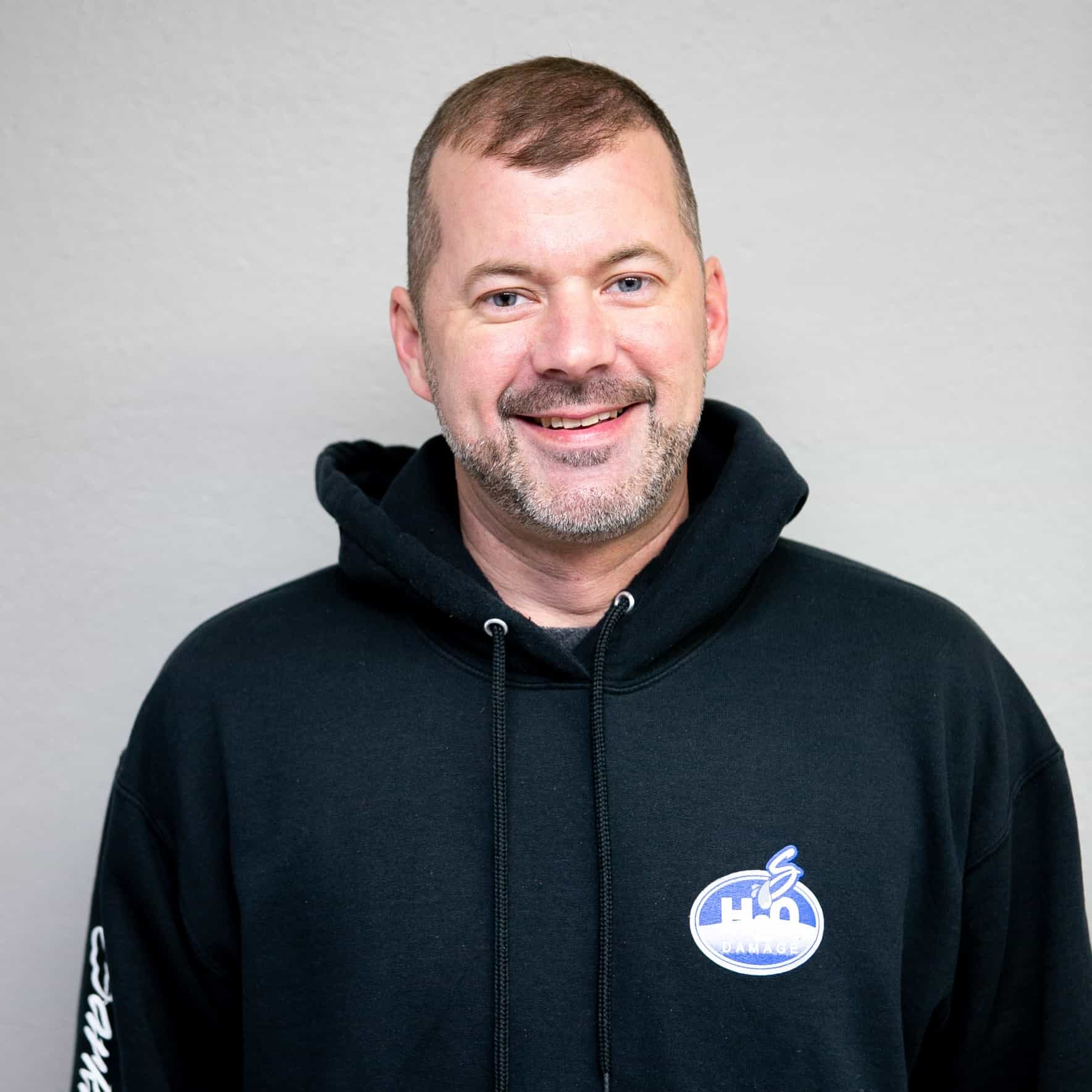
Matthew F
Plumbing Technician
Mick C
Plumbing Technician
Mike
Plumbing Technician
Robert
Plumbing Technician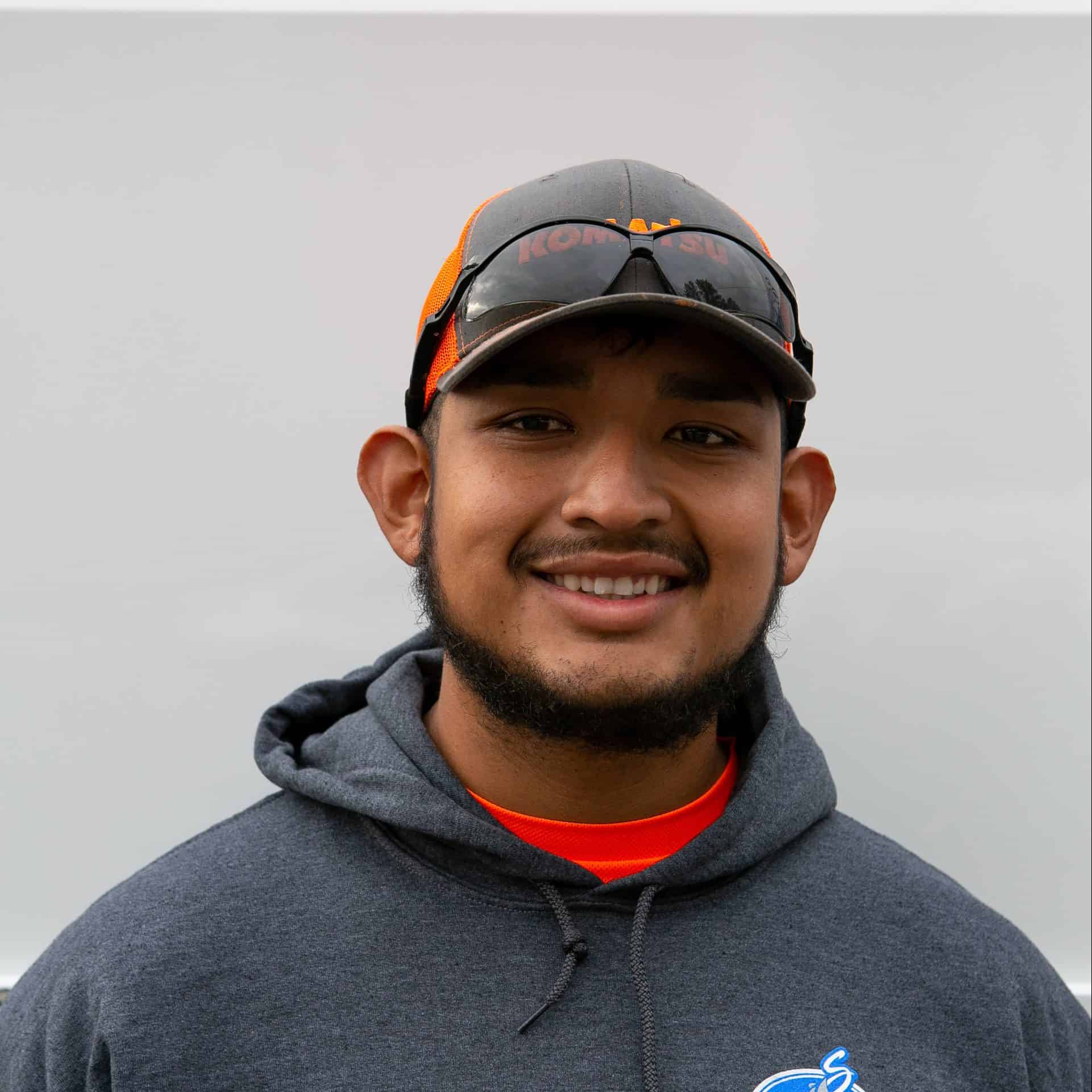
Sebastian
Plumbing Technician
Tim
Standard Shop Technician
Ricky
Camera Technician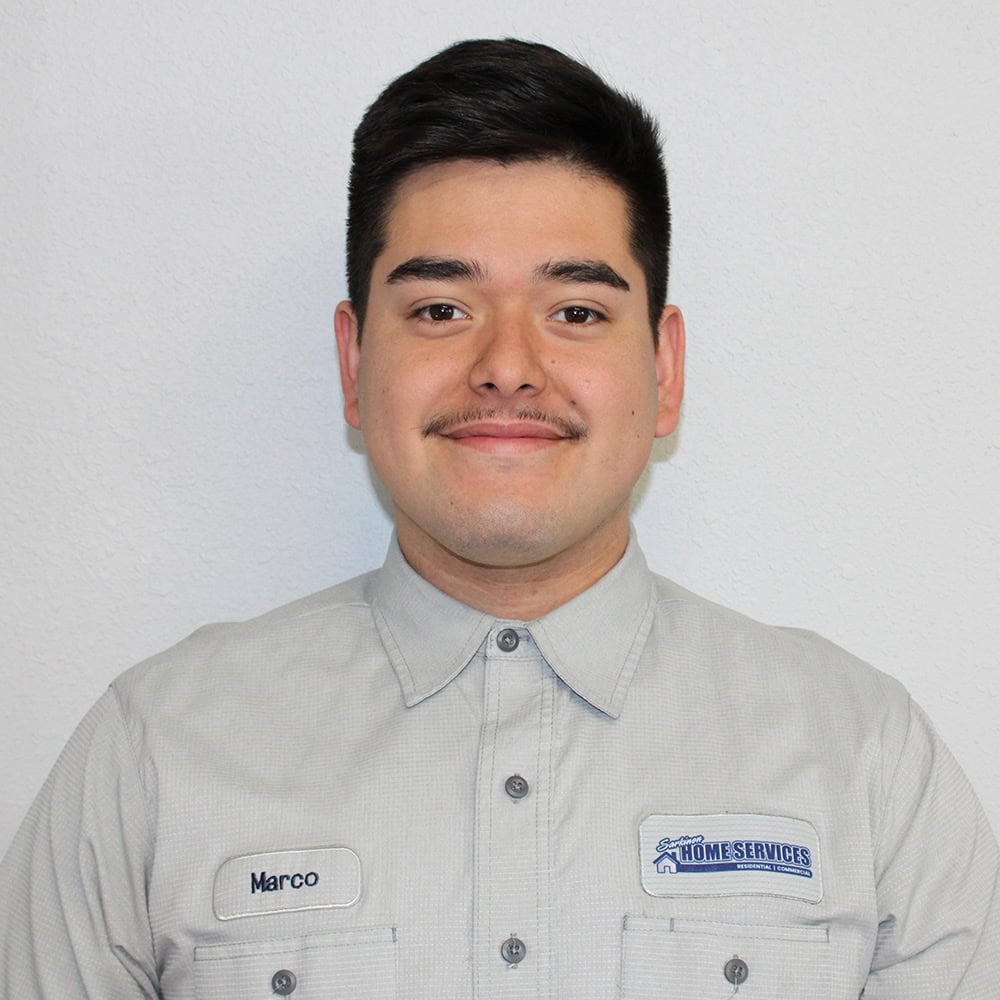
Marco G
Camera Technician
Alex G
Drain Technician
Leighton
Drain Technician
Chris D
Drain Technician
Michael W
Drain Technician
Oregon City Plumbing Questions & Answers
Working on century-old homes is one of our specialties. We understand the materials, methods, and quirks of plumbing from every era. In historic Oregon City homes, we often find multiple generations of pipe materials layered together, along with non-standard fittings, unusual routings, and previous repairs of varying quality. We take the time to trace and document the existing system before recommending repairs or upgrades, and we use transition fittings and techniques that create reliable connections between old and new materials.
Yes. Bluff properties have two primary plumbing considerations. First, the basalt substrate makes excavation for underground pipe work extremely difficult and costly, so trenchless methods like pipe lining and pipe bursting are strongly preferred for sewer lateral repairs. Second, the steep grade from the bluff to the sewer main means laterals carry water at high velocity, which can cause erosion at joints and fittings over time. We use camera inspections to monitor lateral condition and catch problems early.
If your home was built before 1930, there is a possibility that the water service line from the street to your house is lead, or that interior connections were made with lead solder. Lead in drinking water is a serious health concern, particularly for children and pregnant women. We offer lead testing and service line assessment. If lead is found, we can replace the affected piping and verify that your water is safe. Oregon City has been proactive about lead service line identification, and we work within the city’s programs when available.
Trenchless methods are often the only practical option for sewer lateral repair on the Oregon City bluff. Pipe lining — where we install a cured-in-place pipe (CIPP) liner inside the existing lateral — and pipe bursting — where we pull a new pipe through the old one — both avoid the need to excavate through basalt rock. Not every lateral is a candidate for trenchless repair, so we always start with a camera inspection to assess the pipe’s condition and determine the best approach.
Yes. Plumbing permits in Oregon City are processed through Clackamas County, and we handle the full process — application, inspection scheduling, and final sign-off. For work in the McLoughlin Historic District, there may be additional review requirements from the city’s Historic Review Board, particularly for exterior modifications. We are familiar with these requirements and factor them into project timelines and proposals.
Schedule Your Oregon City Plumbing Service
Licensed in Oregon (#170052). Same rate day or night. Call now or book online.
- Vancouver 360-369-3586
- Portland 503-925-3504
Vancouver Location
Proudly Serving
Portland and Vancouver
from Wilsonville to Longview &
Hillsboro to Gresham
UBI # 602-521-027
OR Contractor Lic# 170052 (CCB)
WA Contractor Lic# SARKIPI946MF
OR Plumber Lic# PB115
Customer Satisfaction
4.6 stars - Based on 227 Reviews






Quick Links
Plumbing Services
SW Washington Service Areas
Oregon Service Areas
Contact Information
Sarkinen PlumbingVancouver
9502 NE 72nd Ave
Vancouver, WA 98665
Phone: 360-369-3586
Portland
Phone: 503-925-3504
Hours of Operation
Monday - Sunday 24-hours