- Vancouver 360-369-3586
- Portland 503-925-3504
Sandy OR Plumber
24/7 Emergency Drains, Water Heaters & Sewer Service — No Overtime Fees
- Fast Same Day Service
- No Obligation Estimate
- Commercial & Residential Plumbing




Check out our
coupons!
We Offer
*0%
Financing
-
 off
off
Any service for new customers!
(*Minimum Purchase Required)
EXPIRES 10/26 -
 off
off
Main Water Service Replacement
Call now for details!
EXPIRES 10/26 -
 off
off
Water Heater Replacement
Call now to schedule!
EXPIRES 10/26 -
 off
off
Rain Drain Clearings
(*Minimum Purchase Required)
EXPIRES 10/26 -
 off
off
Seniors & Military
(*Minimum Purchase Required)
EXPIRES 10/26


customer reviews
Sandy’s Best Local Plumber
-
“Residential or commercial, they meet my needs and are highly professional!”
 Cheryl Whitfield
“Prompt, friendly, and competent service! Thank you for fixing our heat!”
William Irvin (Dub)“Fast, and great work. Super nice folks”
Rhonda Palos“They were easy to schedule at a time which worked for me. They came during the promised timeframe, called when they were 20 minutes out. They worked efficiently and were courteous.”
Kathy -
“So far really like their service, and plumbers doing our job have been great!”
Doug Breeden“They arrived early and didnt have to leave for supplies. They were fast and professional, they provided quality work.”
Daniel ray“I highly recommend. They were promt, courteous and professional. OWEN did a fantastic job and was really great to work with!!”
Susan Mitcheltree“Alex and Michael were very professional and excellent in helping fix our problem and helping us address any future problems, will definitely be using them in the future if we have any home service needs. Would fully recommend them!”
Lukas Neumann -
“Mike was quick, efficient, and respectful. He kept me updated on what they were doing and the process was smooth!”
Marie Hyatt“Sarkinen Homes Services installed a new sump pump station in my crawl space. Mike Carroll provided the estimate and completed the installation. The price was right and Mick did an outstanding job. Absolutely seamless!”
Jim Parham“I called them this morning, they were extremely responsive. They actually came to my place within 2 hours of my call. They did not ask for any inspection fees or anything or any other fees. They were extremely courteous and friendly and very helpful, I will go back to them again and I highly recommend.”
Luay Aljamal“Definitely recommend this company! Ask for Mick….he’s the best!”
kate Stempien
Professional Plumbing Services
Residential & Commercial Plumbing Contractor


Hire a Local Sandy Plumber

5-Star Plumbing Service Guarantee
We Deliver Same-Day Service When You Need Help Now
Tony Sarkinen started as an apprentice plumber and journeyman in 1991 and got his experience with several companies throughout Clark County. In 2003, Tony opened his own business which was built on hard work and exceptional customer service. He wanted a business where all his employees treat their customers the way he wanted to be treated. Tony Sarkinen has achieved those goals. Today, the Sarkinen Plumbing team continues to grow and serve the Portland, Oregon, and SW Washington communities in the same manner as when Tony began the company all those years ago. To ensure all work is up to industry standards, our technicians provide our signature 5-star plumbing service and follow our exceptional code of ethics.
Simply put, we are here to provide you and your family with incredible customer service. Sarkinen Plumbing provides quality service to our customers with name-brand reliable products. Our technicians have everything they need to conduct a fast, efficient, and clean work area no matter where the job. We guarantee our work from start to finish and follow up to assure everything is to your satisfaction.
READ MORE ABOUT USSandy Plumbing Experts
Freeze-Thaw Cycles and Pipe Damage in Sandy
Sandy’s elevation at roughly 1,000 feet above sea level places it in a different climate zone than the Portland metro communities just 20 miles to the west. While Portland may hover around 35 degrees on a winter night, Sandy regularly drops into the low twenties, and sustained cold snaps can push overnight lows into the teens. More damaging than any single cold night, however, are the freeze-thaw cycles that define Sandy’s winter pattern. Temperatures drop below freezing overnight, climb above freezing during the afternoon, and drop again the following night. Each cycle stresses plumbing materials as water expands into ice and then contracts as it melts, loosening joints, widening hairline cracks, and fatiguing pipe walls at fittings and bends.
The damage from freeze-thaw cycling is cumulative and often invisible until a pipe finally gives way. Copper solder joints in homes near Meinig Park and Downtown Sandy that have endured 30 or 40 years of this thermal cycling develop micro-fractures that weep during freeze events before eventually splitting open. PEX in the newer Sandy Heights and Bornstedt Village homes is more flexible than copper, but the brass fittings connecting PEX sections are rigid and can crack under repeated thermal stress if the pipe was not properly supported during installation. Our pre-winter inspection service identifies the pipe runs in your Sandy home most vulnerable to freeze-thaw damage—typically those in crawl spaces, exterior walls, and unheated garages on the north and east sides—and we install insulation and heat tape that protects these critical sections through the entire winter season.
Book pre-winter freeze protection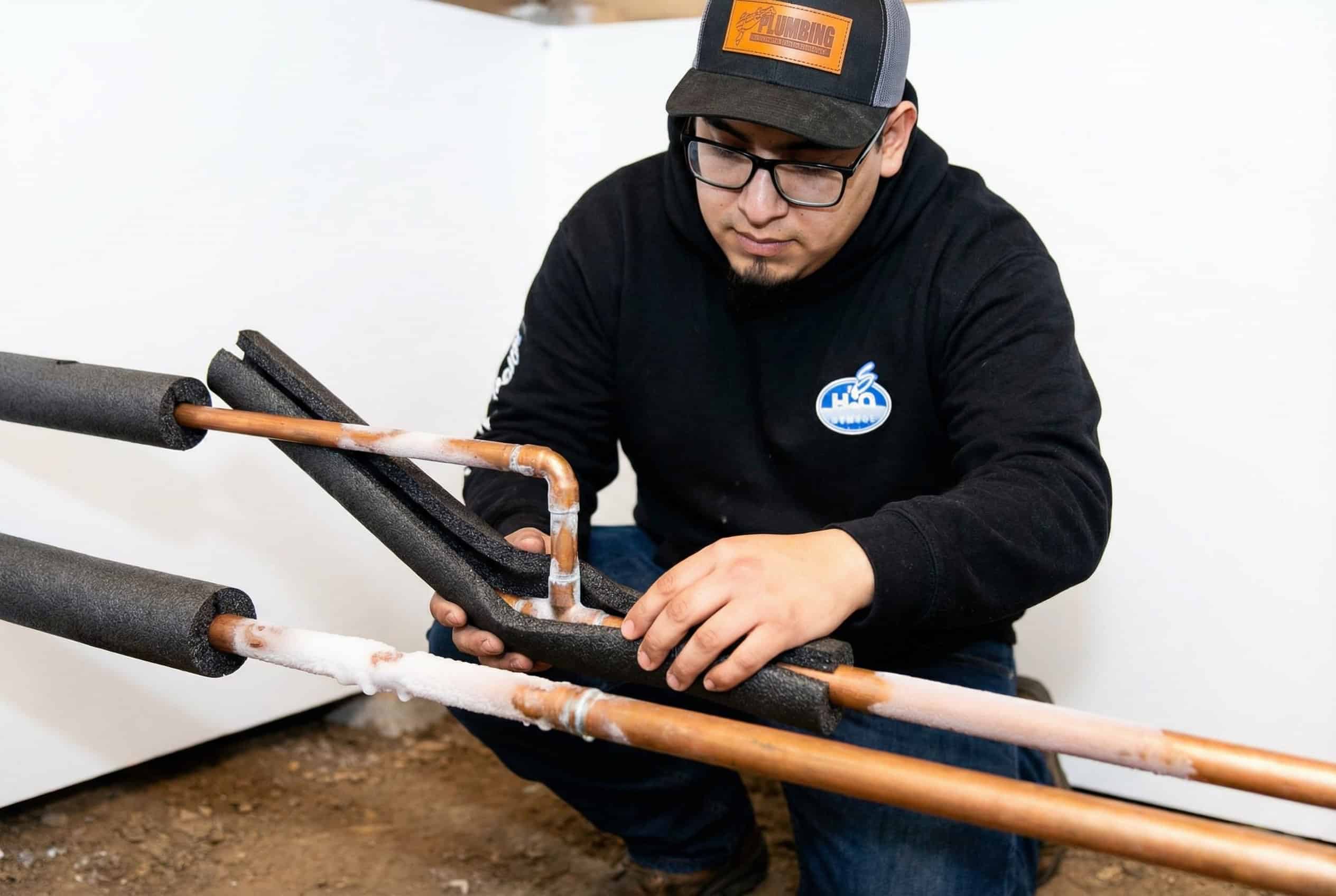
Snowmelt Season and Sandy’s Sewer Lines
March and April are the months when Sandy’s sewer infrastructure faces its toughest test. The snowpack that accumulated during winter begins to melt at the same time that spring rainfall intensifies, saturating the soil around sewer laterals from two directions simultaneously. For properties along the hillside areas of Sandy Heights and the sloped lots south of Highway 26, the effect is particularly pronounced—groundwater migrates downhill through the soil and pools against sewer pipes, finding every crack, offset joint, and deteriorated connection. The water forces its way into the pipe, filling it with clean groundwater that leaves no room for the household wastewater it was designed to carry.
Homeowners in Sandy who experience sewer backups or slow drains specifically during late winter and early spring are almost certainly dealing with infiltration rather than a conventional clog. The seasonal timing is the diagnostic giveaway—the same drains that work perfectly in August fail in March because the external groundwater load has changed. A sewer camera inspection during wet conditions reveals exactly where the water is entering, and the footage gives us the information needed to recommend the right repair. For isolated entry points, a spot repair or short section of trenchless lining seals the breach. For laterals with widespread joint deterioration—common in clay and older PVC pipes that have shifted with Sandy’s freeze-thaw ground movement over the years—full replacement with properly bedded, watertight PVC is the lasting solution.
Schedule a sewer line inspection
Well Water Plumbing for Sandy Properties
While many homes within Sandy’s city limits connect to the municipal water system, a significant number of properties in the Revenue and Champion Way area, along with homes on the outskirts of town, rely on private wells. Well water introduces a fundamentally different set of plumbing maintenance requirements compared to treated municipal supply. The pressure in a well system is generated by a pump and regulated by a pressure tank with an internal bladder—when that bladder fails, the tank becomes waterlogged and the pump short-cycles, turning on and off rapidly with every small draw of water. Left uncorrected, short-cycling burns out a well pump in a fraction of its normal lifespan, turning a $300 pressure tank replacement into a $3,000 pump replacement.
Beyond the mechanical components, Sandy-area well water often carries dissolved iron, manganese, and sediment that affect both the plumbing system and daily water quality. Iron leaves rust-orange stains in sinks, tubs, and toilet bowls, and it accumulates inside water heaters where it accelerates corrosion of the tank lining and heating elements. Manganese produces black staining and can clog fixture aerators and shower cartridges. Sediment wears out valve seats and damages washing machine solenoids. We install and service whole-house sediment filters, iron and manganese treatment systems, and the water softeners that many Sandy well water properties need to protect their plumbing and appliances. Our technicians understand the full chain from pressure tank to kitchen faucet, and we keep well-supplied Sandy homes running as reliably as any municipal-connected property.
Call about well water service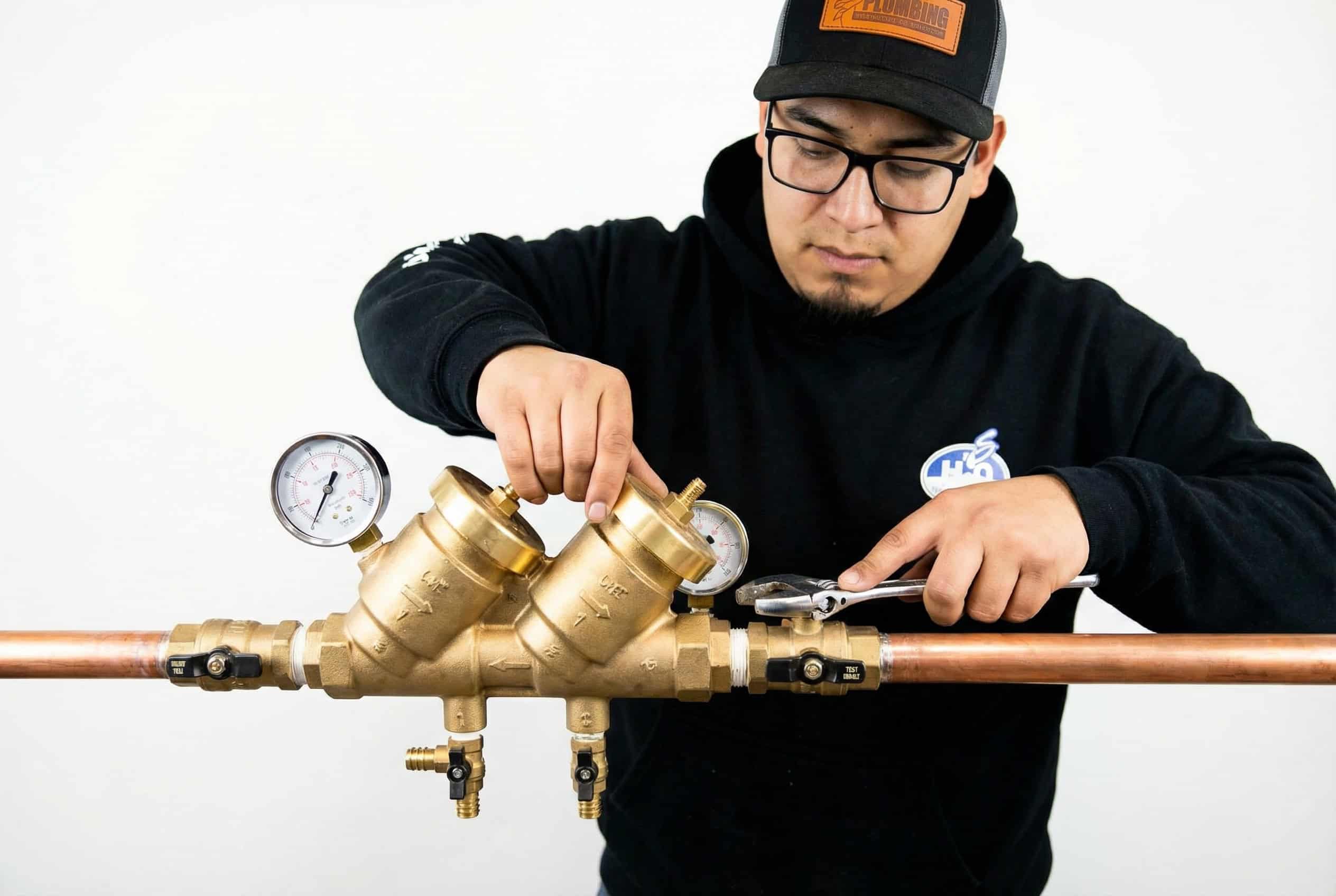
Water Heaters and Sandy’s Cold Incoming Temperatures
Every water heater is designed to raise incoming cold water to a target output temperature, typically 120 degrees Fahrenheit. The amount of work required to reach that target depends entirely on where the incoming water starts. In Portland’s lower elevations, municipal water arrives at roughly 50 to 55 degrees year-round. In Sandy, the mountain-fed supply enters homes in the low 40s during winter and can dip into the high 30s during the coldest weeks. That 10- to 15-degree difference in starting temperature means Sandy water heaters must produce significantly more thermal energy per gallon heated than the same unit installed at a lower elevation. The burner runs longer, the recovery time between draws increases, and every mechanical component accumulates wear at a faster rate.
The practical result for Sandy homeowners is that tank water heaters tend to reach end-of-life two to three years sooner than the manufacturer’s rated lifespan suggests. A unit rated for 12 years may deliver only 9 or 10 years of reliable service in Sandy before the lower heating element burns out, the tank lining fails, or sediment accumulation overwhelms the drain valve. We account for these conditions when recommending replacement units for Sandy homes, often suggesting a step up in capacity—a 50-gallon unit where a 40-gallon might suffice at lower elevation—or a tankless system that heats on demand and never runs out. For homes near Meinig Park and in Downtown Sandy where the oldest water heaters in the city are concentrated, proactive replacement before the unit fails prevents the water damage that a sudden tank rupture can cause.
Explore water heater options
Repiping for Sandy’s Mixed-Era Housing Stock
Sandy’s housing stock spans a broader range of construction eras than most communities its size, from the oldest homes along Proctor Boulevard and Downtown Sandy dating to the 1950s through the planned developments of the 1990s and 2000s in the Sandy Heights and Bornstedt Village areas. Each era used different supply line materials—galvanized steel in the oldest homes, copper through the 1960s and 1970s, some polybutylene in 1980s construction, and PEX in the newest properties. When a home has been partially updated over the decades, the result is a supply system with multiple materials connected together, each aging at a different rate and each requiring different repair approaches when problems develop.
Our repiping work in Sandy addresses two distinct situations. The first is the straightforward full repipe of an older home where the original galvanized or copper supply lines have reached the end of their useful life—corroded galvanized producing rusty water and low pressure, or copper with systemic pinhole leaks. In these cases, we replace the entire supply system with PEX in one to two days, running new lines through existing pipe routes and wall cavities to minimize disruption. The second situation is the mixed-material home where partial upgrades have created a patchwork system with problematic transition points. Here, the repipe eliminates not just the failing original pipe but also the corrosion-prone junctions between dissimilar materials, leaving the homeowner with a unified, consistent system from the meter to every fixture.
Get a Sandy repiping estimate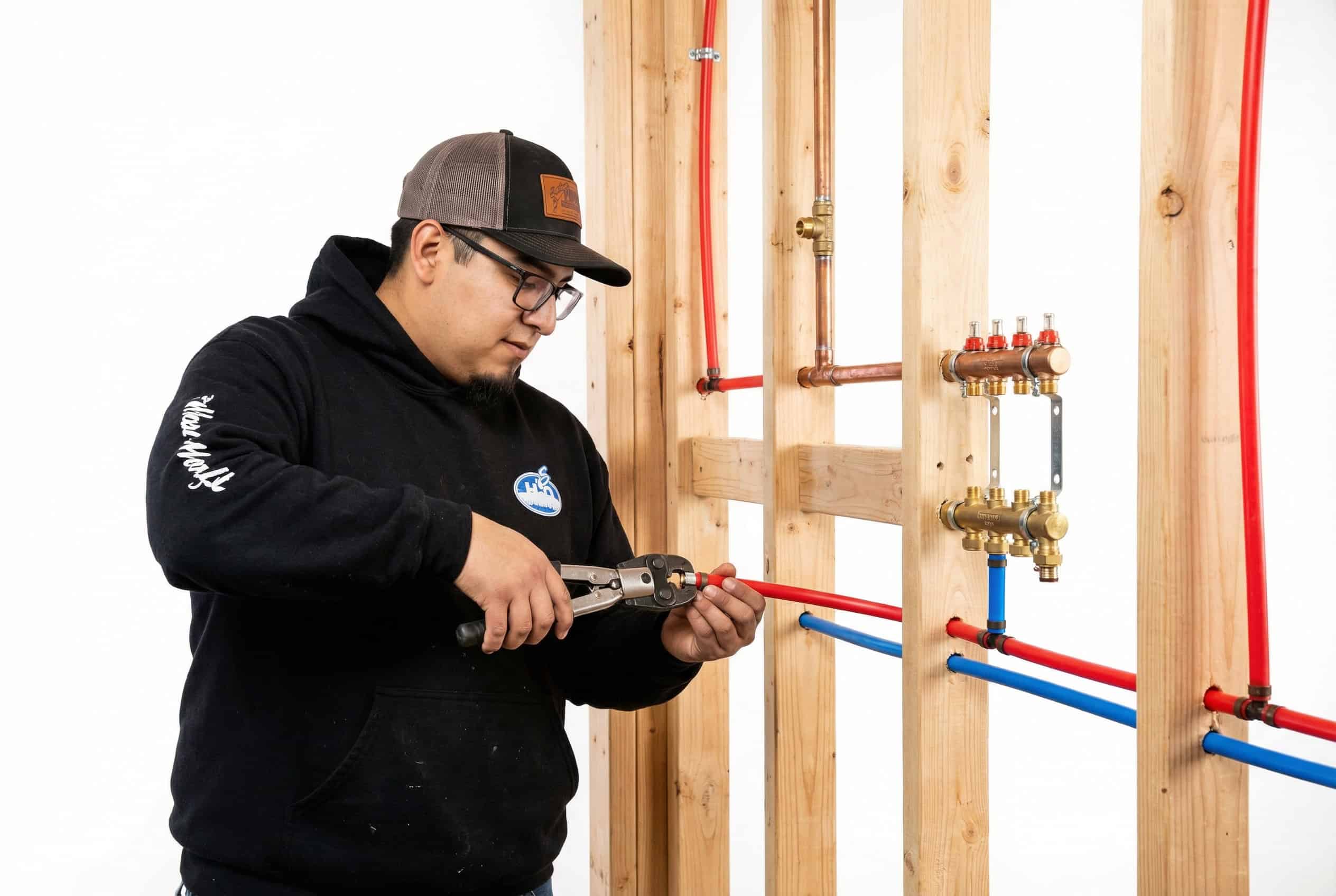
Why Sandy Homeowners Choose Sarkinen
Upfront, Fair Pricing
No hidden fees, no overtime charges. You get a clear, written price before any work begins. Same rate day or night.
Licensed in WA & OR
Dual-state licensing (WA #SARKIPI946MF, OR #170052) means we serve the entire Portland-Vancouver metro.
24/7 Emergency Service
We answer the phone day and night. A licensed plumber is dispatched immediately — at your door within 60-90 minutes.
Satisfaction Guaranteed
Every repair backed by our workmanship guarantee. Background-checked, drug-tested plumbers who treat your home with care.
Serving Every Sandy Neighborhood
-
Contact Sarkinen Plumbing
- Services in Portland
503-925-3504Services in Vancouver
360-369-3586
Call for Emergency Services
Meet Our Team of Professionals

Carlos
Plumbing Helper
Ciro
Plumbing Technician
Dylan
Plumbing Technician
Matthew F
Plumbing Technician
Mick C
Plumbing Technician
Mike
Plumbing Technician
Robert
Plumbing Technician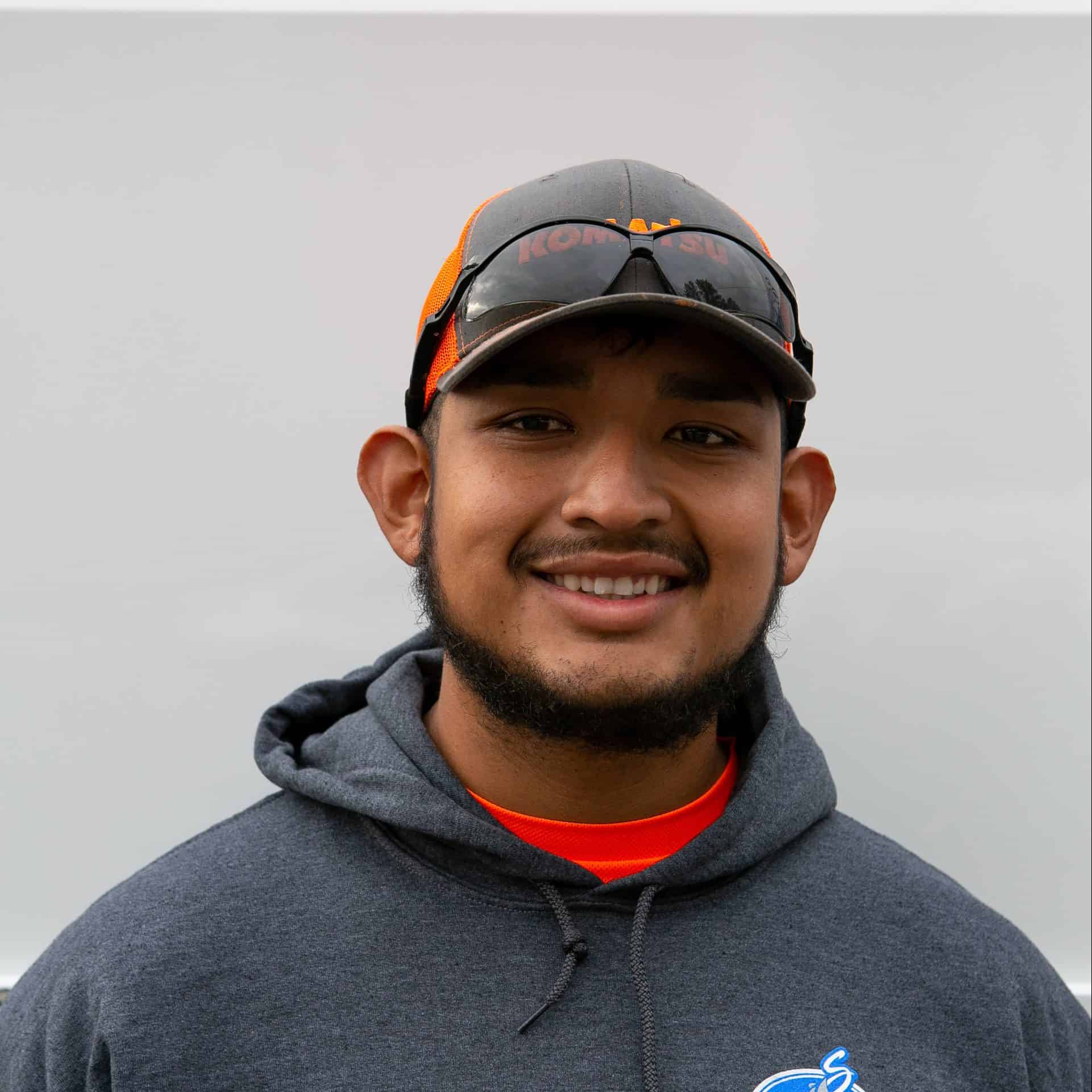
Sebastian
Plumbing Technician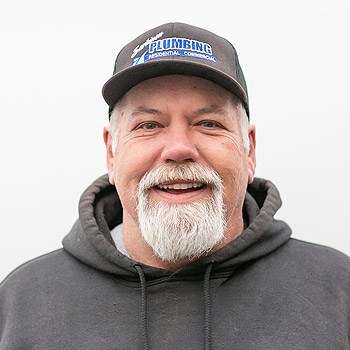
Tim
Standard Shop Technician
Ricky
Camera Technician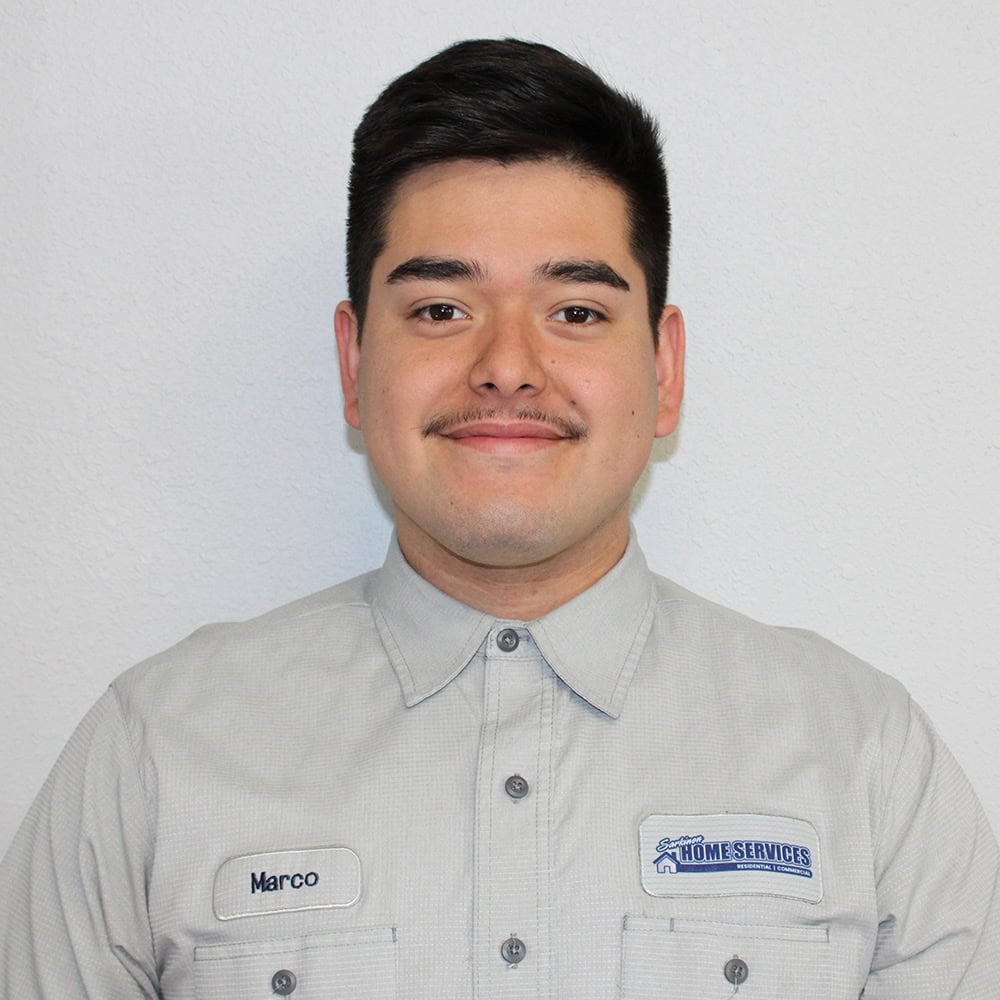
Marco G
Camera Technician
Alex G
Drain Technician
Leighton
Drain Technician
Chris D
Drain Technician
Michael W
Drain Technician
Sandy Plumbing Questions & Answers
Sandy’s roughly 1,000-foot elevation means colder ground temperatures, harder freezes, and more freeze-thaw cycles than the Portland basin. This directly impacts your plumbing in three ways: pipes are more likely to freeze during winter storms, water heaters have to work harder because incoming water is colder, and sewer lines face more stress from snowmelt saturation during spring. We recommend freeze prevention measures—pipe insulation, heat tape on vulnerable runs, and proper crawl space sealing—and can assess your specific home’s risk factors.
Yes. A number of properties in and around Sandy rely on private wells rather than municipal water. We service the plumbing side of well systems including pressure tanks, pressure switches, check valves, and the distribution piping inside your home. We also troubleshoot common well water quality issues like iron staining and sediment that require filtration. For the well pump itself and the well casing, we can refer you to a trusted well drilling specialist if that component needs service.
Sandy’s winter incoming water temperatures can drop into the low 40s or even high 30s, compared to the mid-50s in summer. That means your water heater has to raise the water temperature an extra 15 to 20 degrees to reach the same output temperature, which uses more energy and recovers more slowly between uses. If you’re running out of hot water during cold months, you may need a larger capacity unit, or a tankless system that heats on demand without running out. We can evaluate your current setup and recommend the right solution for Sandy’s conditions.
Absolutely. When snowpack melts and combines with spring rainfall, the soil around Sandy homes becomes saturated. This groundwater can infiltrate sewer laterals through cracks, offset joints, or deteriorated pipe walls, overwhelming the line’s capacity and causing slow drains or backups inside your home. If your drains only act up during wet spring months, groundwater infiltration is the likely cause. A camera inspection will reveal the entry points, and we can recommend repair options ranging from spot repair to trenchless relining.
Sandy is within our regular service territory, and we maintain response capability along the Highway 26 corridor. For emergencies like burst pipes, active flooding, or complete sewer blockages, we dispatch immediately and typically reach Sandy addresses within 60 to 90 minutes depending on conditions. During winter weather events, we pre-position resources to ensure Sandy residents aren’t left waiting. Emergency service is available 24/7 at 503-925-3504.
Schedule Your Sandy Plumbing Service
Licensed in Oregon (#170052). Same rate day or night. Call now or book online.
- Vancouver 360-369-3586
- Portland 503-925-3504
Vancouver Location
Proudly Serving
Portland and Vancouver
from Wilsonville to Longview &
Hillsboro to Gresham
UBI # 602-521-027
OR Contractor Lic# 170052 (CCB)
WA Contractor Lic# SARKIPI946MF
OR Plumber Lic# PB115
Customer Satisfaction
4.6 stars - Based on 227 Reviews







Quick Links
Plumbing Services
SW Washington Service Areas
Oregon Service Areas
Contact Information
Sarkinen PlumbingVancouver
9502 NE 72nd Ave
Vancouver, WA 98665
Phone: 360-369-3586
Portland
Phone: 503-925-3504
Hours of Operation
Monday - Sunday 24-hours