- Vancouver 360-369-3586
- Portland 503-925-3504

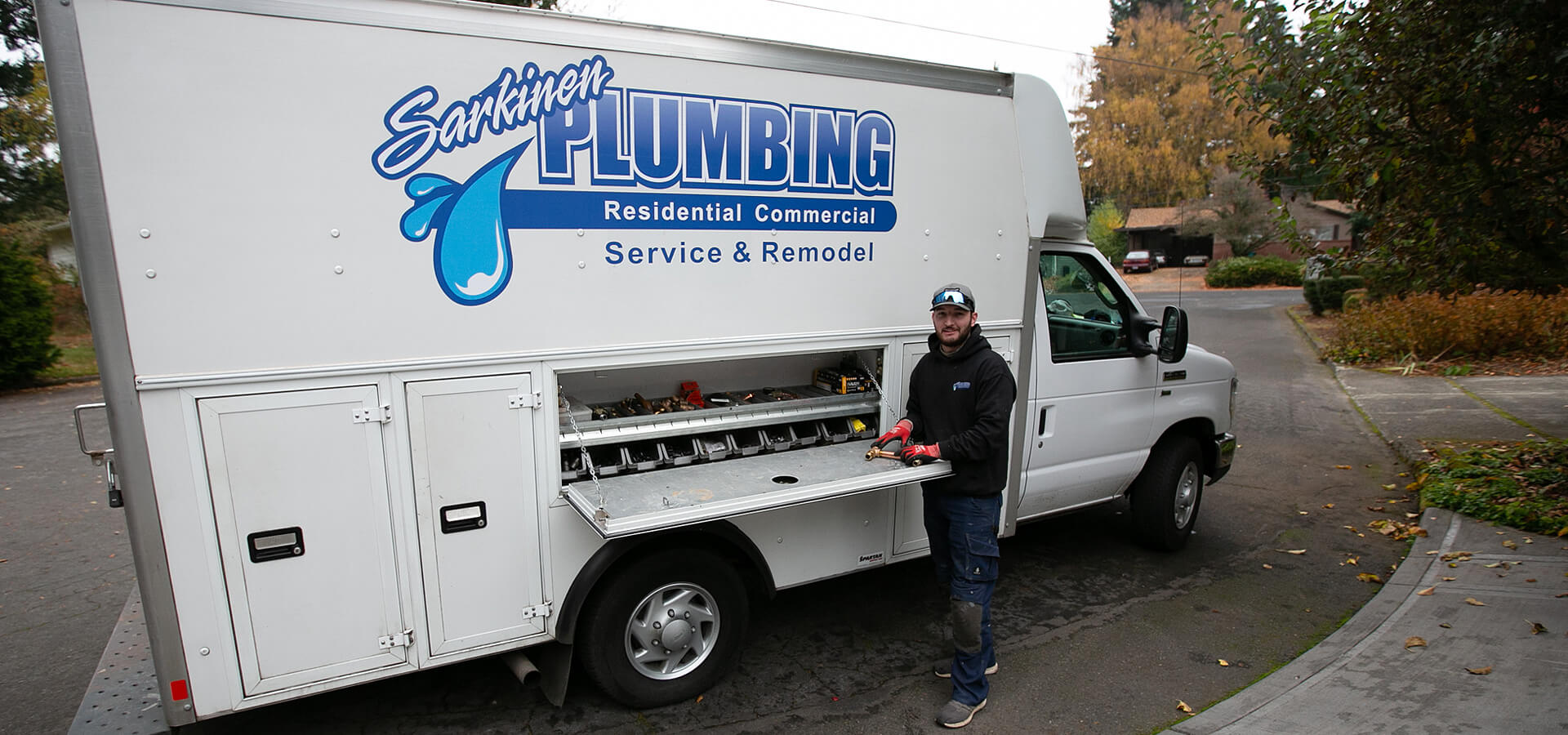
Garbage Disposal Repair & Installation
Jammed, Leaking or Dead Units — All Major Brands, Installed Same Day
- Fast Same Day Service
- No Obligation Estimate
- Commercial & Residential Plumbing




Check out our
coupons!
We Offer
*0%
Financing
-
 off
off
Any service for new customers!
(*Minimum Purchase Required)
EXPIRES 10/26 -
 off
off
Main Water Service Replacement
Call now for details!
EXPIRES 10/26 -
 off
off
Water Heater Replacement
Call now to schedule!
EXPIRES 10/26 -
 off
off
Rain Drain Clearings
(*Minimum Purchase Required)
EXPIRES 10/26 -
 off
off
Seniors & Military
(*Minimum Purchase Required)
EXPIRES 10/26



How It Works
Call Us
Call anytime, 24/7. A real person answers and schedules your appointment.
We Diagnose
Our plumber inspects, identifies the problem, and explains what is needed.
Upfront Quote
You get options with prices before any work begins. Your choice.
Expert Repair
Licensed plumber completes the work, cleans up, and walks you through it.
Garbage Disposal — Vancouver & Portland
Why a Working Garbage Disposal Matters More Than You Think
A garbage disposal is one of those kitchen appliances that seems insignificant until it stops working. Suddenly you are scraping every plate into the trash, fishing food scraps out of the sink drain, and dealing with odors from decomposing food waste in the garbage can. A non-functioning disposal also means food particles accumulate in the kitchen drain line, increasing the risk of clogs that can back up the entire sink. For households that cook regularly, a functioning garbage disposal is not a luxury — it is a daily necessity.
Sarkinen Plumbing provides same-day garbage disposal repair and installation throughout the Portland-Vancouver metro. Most disposal problems — jams, leaks, and electrical failures — can be diagnosed and repaired in under an hour. When repair is not the right option, we install new units from InSinkErator, Waste King, Moen, and other leading brands, handling everything from removing the old unit to testing the new one. Your kitchen is back to full function the same day you call.
Fix your disposal today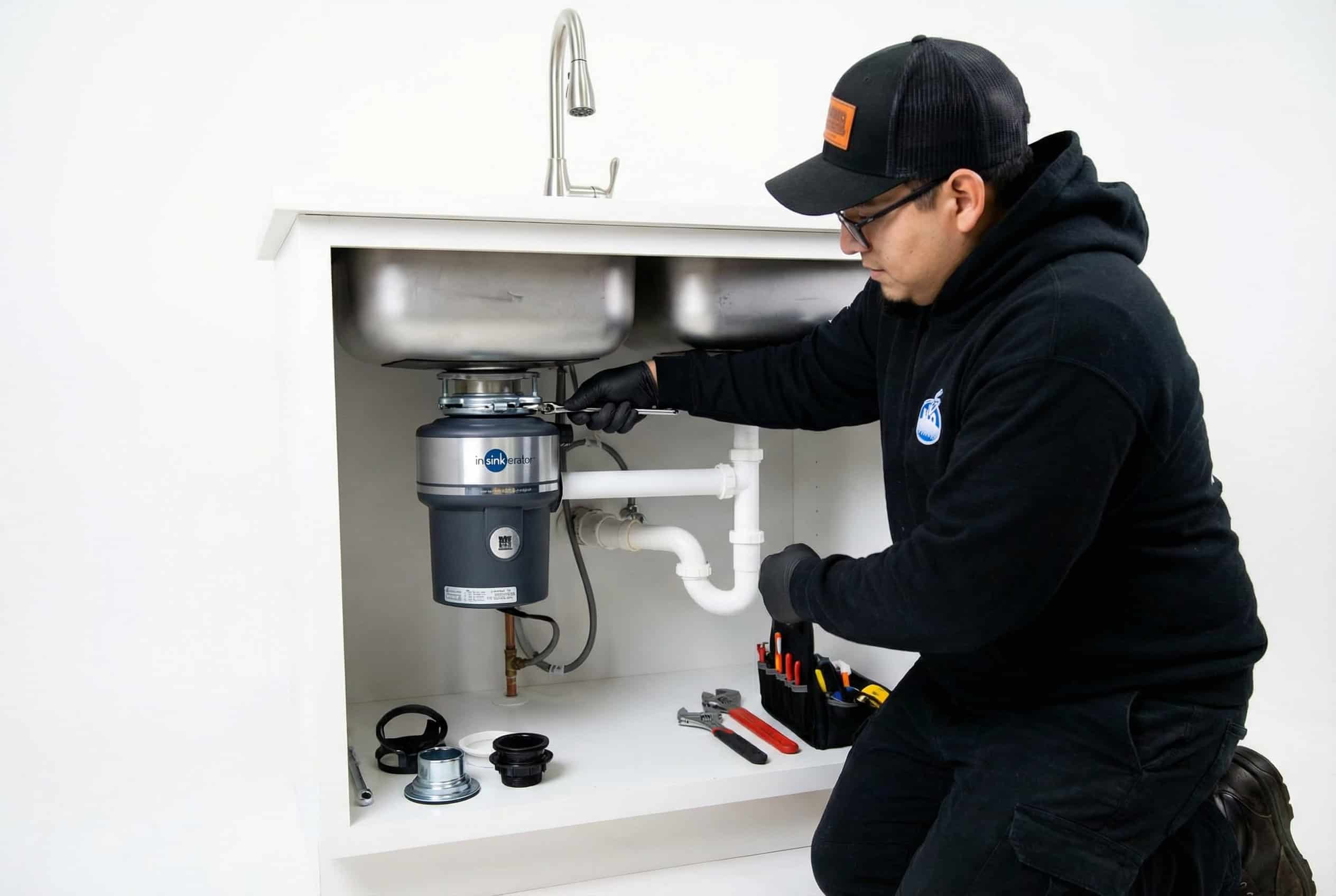
Common Garbage Disposal Problems and What Causes Them
Garbage disposals are mechanical devices with motors, grinding components, seals, and electrical connections that all wear over time. The most common problem is a jam — something hard or fibrous wedges between the grinding plate and the shredder ring, preventing the motor from turning. Bones, fruit pits, utensils, and fibrous vegetables like celery are the usual culprits. A jammed disposal hums when you flip the switch but does not spin, and the motor may overheat and trip its internal reset button if the jam persists.
Leaks are the second most common problem, and the source location tells us the solution. A leak from the top of the disposal where it meets the sink flange means the mounting assembly has loosened or the plumber putty seal has deteriorated. Side leaks come from the dishwasher drain connection or the waste pipe fitting. A leak from the bottom of the unit indicates internal seal failure, which means the disposal needs to be replaced rather than repaired. Our plumber identifies the leak source and recommends the appropriate fix.
Diagnose disposal issues
Choosing the Right Garbage Disposal for Your Kitchen
Garbage disposals range from compact 1/3 HP units suitable for light use to powerful 1 HP models designed for heavy daily use in busy kitchens. The right size depends on your household size, cooking habits, and how much food waste you put through the disposal. For most families, a 3/4 HP model provides the best balance of grinding power and value. Stainless steel grinding components last longer and resist corrosion better than galvanized alternatives, making them worth the modest price premium.
We install disposals from InSinkErator, Waste King, Moen, KitchenAid, and other leading manufacturers. If you have a preference for a specific brand or model, we install it. If you want our recommendation, we select the best option based on your usage patterns and budget. Our installation includes all mounting hardware, drain connections, dishwasher drain hookup, and electrical connection. We test thoroughly for leaks and proper operation before we leave your kitchen.
Get disposal recommendations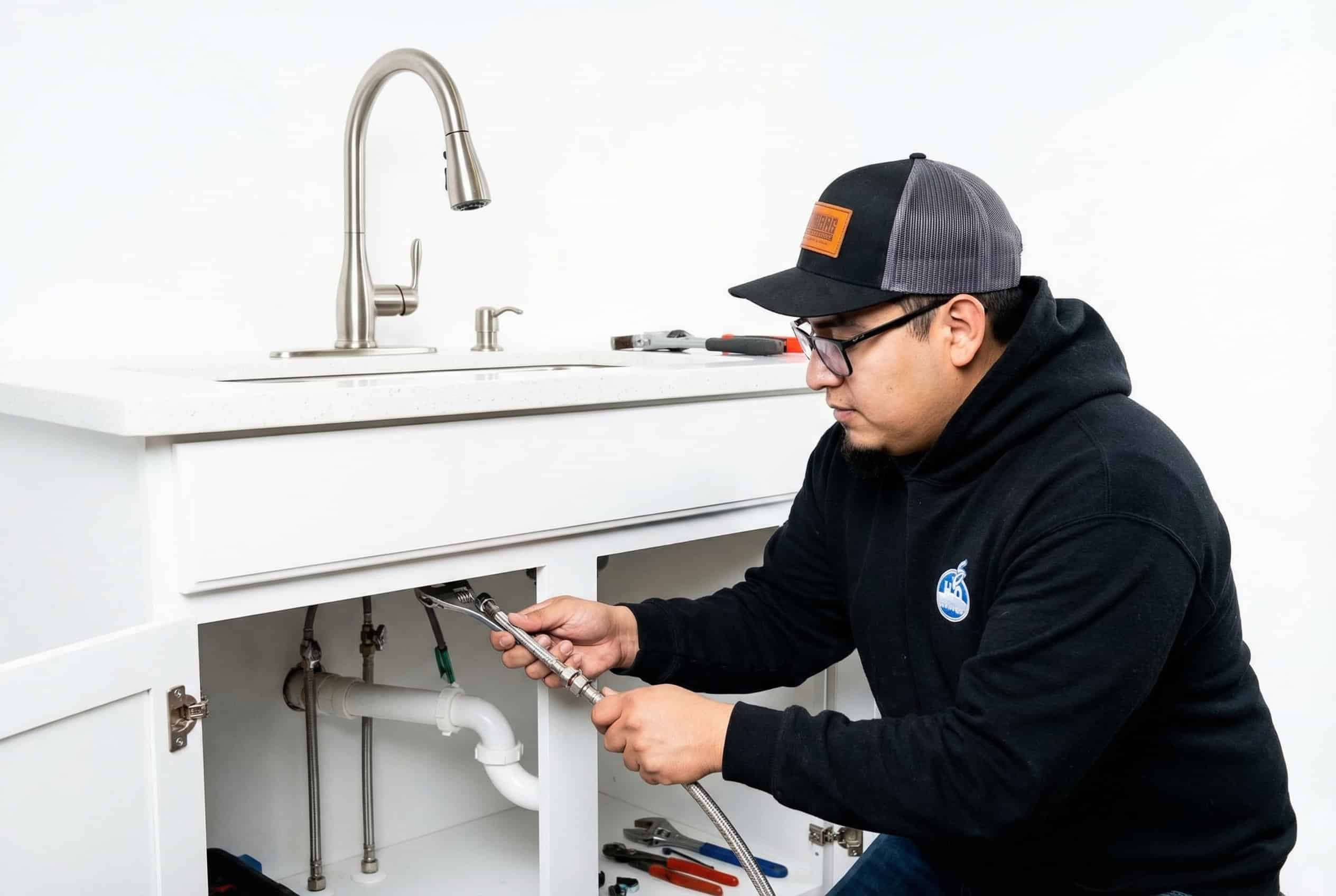
Our Garbage Disposal Services
Jammed Garbage Disposal — Unjamming and Repair
A jammed garbage disposal is the single most common kitchen plumbing call we receive. The disposal hums when you turn it on, but the grinding plate does not spin. Something has wedged between the plate and the shredder ring, and the motor cannot overcome the obstruction. The most common culprits are chicken bones, fruit pits, bottle caps, small utensils that fell into the sink, and broken glass. Fibrous materials like corn husks, celery, and artichoke leaves can also wrap around the grinding components and create a jam.
Never reach into a garbage disposal, even when it is turned off — the grinding components are sharp enough to cause serious injury. Our plumber uses a disposal wrench inserted into the bottom of the unit to manually rotate the grinding plate and free the jam. We then remove the obstruction, reset the motor, and test the unit. If the motor has been damaged by repeated attempts to spin against the jam, or if the grinding plate has been bent, we discuss replacement options. Most jams, however, are cleared quickly with no lasting damage to the disposal.
Unjam my disposal
Leaking Garbage Disposal — Finding the Source
Water pooling under the kitchen sink is often traced back to the garbage disposal, which has multiple potential leak points. The sink flange connection at the top of the disposal is sealed with plumber putty and secured by a mounting ring. Over time, the vibration of the motor can loosen the mounting hardware, and the plumber putty can dry out and crack. Tightening the mounting ring and refreshing the putty seal usually resolves a top leak.
The side connections — the dishwasher drain hose and the waste pipe fitting — are secured by hose clamps and gaskets that can loosen or deteriorate. These are simple repairs involving new clamps or gaskets. A leak from the bottom of the disposal, however, indicates that the internal shaft seal has failed, allowing water to seep past the motor housing. Bottom leaks cannot be economically repaired on most residential disposal models. When we find a bottom leak, we recommend replacement with a new unit rather than investing in a repair that may not last.
Fix disposal leak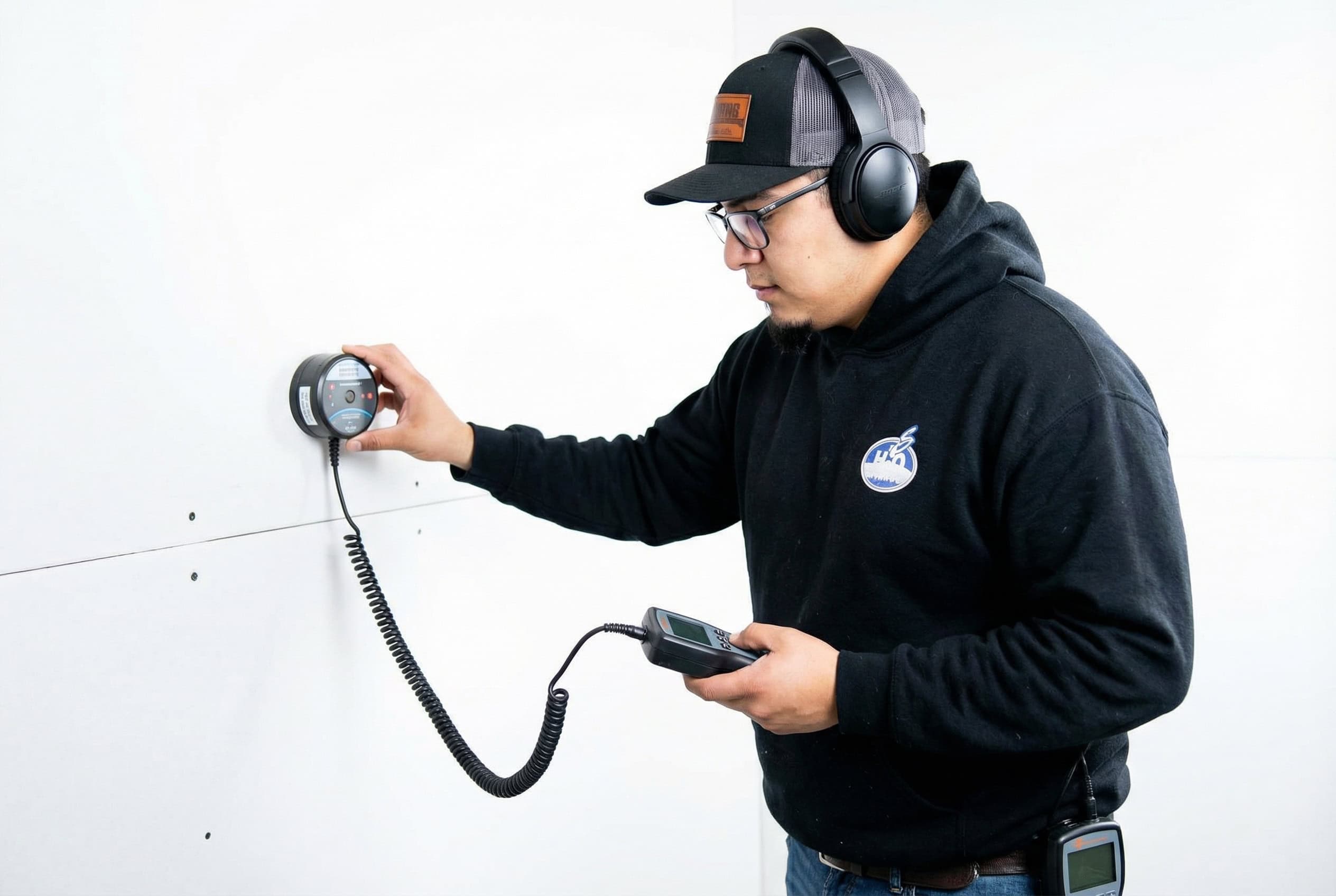
Garbage Disposal Replacement and Upgrade
When a garbage disposal is beyond repair — the motor has burned out, the internal seals have failed, or the grinding components are too worn to be effective — replacement is the clear choice. The good news is that garbage disposal mounting systems are largely standardized, meaning a new unit from any manufacturer will typically fit your existing sink opening and mounting bracket. This makes replacement straightforward and keeps installation time and cost reasonable.
Our replacement process includes disconnecting and removing the old unit, inspecting the sink flange and drain connections, installing the new disposal with fresh mounting hardware and plumber putty, reconnecting the dishwasher drain line, connecting the waste pipe, and testing for proper operation and leak-free connections. We dispose of the old unit as part of the service. If you are upgrading to a higher-horsepower model, we verify that your electrical circuit can support the increased draw. The entire process typically takes one to two hours.
Replace my disposal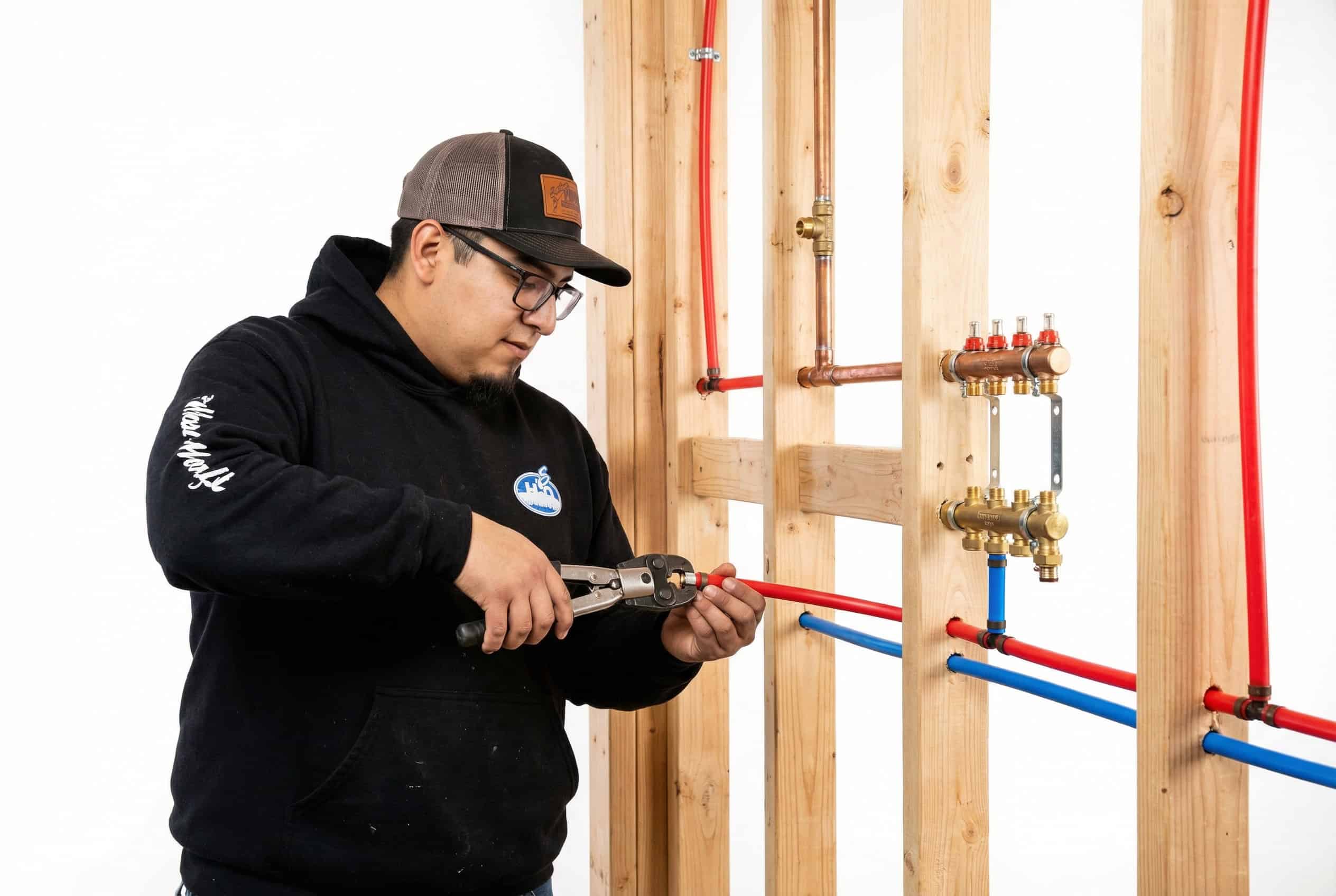
Garbage Disposal Not Turning On — Electrical Diagnosis
A garbage disposal that makes no sound at all when you flip the switch has an electrical problem rather than a mechanical one. The first thing to check is the reset button on the bottom of the unit — most disposals have a small red or black button that trips when the motor overheats, and pressing it restores power. The next check is the circuit breaker at the electrical panel, which may have tripped due to a motor overload or a short in the switch or wiring.
If neither the reset button nor the breaker resolves the issue, the problem may be in the wall switch, the wiring between the switch and the disposal, or the motor itself. A failed wall switch is a common and inexpensive fix. A burned-out disposal motor means the unit needs to be replaced. Our plumber checks each component in the electrical path systematically, identifies the failed part, and makes the repair. We carry common switch types and replacement disposals on our trucks for same-day resolution.
Disposal electrical help
Garbage Disposal Maintenance Tips for Homeowners
Proper use and maintenance extend the life of your garbage disposal and prevent the most common problems we see. Always run cold water before, during, and for 15 seconds after operating the disposal — cold water solidifies grease so it can be ground up and flushed through the drain rather than coating the pipe walls. Feed food waste gradually rather than cramming large amounts in at once, which overwhelms the grinding mechanism and increases jam risk.
Avoid putting certain materials in the disposal: grease and cooking oil (they solidify in drain pipes), fibrous vegetables like celery and corn husks (they wrap around grinding components), expandable foods like pasta and rice (they swell and clog drains), and any non-food items. To keep the disposal clean and odor-free, periodically grind a tray of ice cubes followed by cold water and a few citrus peels. The ice knocks debris off the grinding components, and the citrus freshens the unit. If persistent odors remain despite cleaning, the disposal may need professional attention.
Disposal maintenance
What Our Customers Say About Garbage Disposal
Portland & Vancouver’s Best Local Plumber
-
“Our garbage disposal stopped working and Sarkinen Plumbing was able to come out within 24 hours. Matthew was prompt, professional and fixed/replaced the disposal within an hour. Highly recommend!”
 Trudy Coler
“Replaced garbage disposal same day.”
D B“Dustin was very personable and did a great job on the garbage disposal. The Ott’s”
lindaott“At my house an hour after I called fixing our garbage disposal. Good price, cleaned up everything, and were polite. As a new home owner we will definitely be using them again if we need to.”
Alan Layfer -
“I went from disappointment to extremely grateful. Their garbage disposal installation quote was $1150 and I have the disposal, outrageous, so I declined. However, we had another issue, low water pressure and no hot water at the kitchen sink. So I ask for their expert in these situations to come to the house a few days later. Jordan, knows his…”
Teri Lou Dantzler“We had a timely response from this business, and we were able to get our disposal replaced day after I contacted them. The technicians were were on time, respectful of the property and completed the work quickly. It was a good experience with the dispatcher to the actual installation.”
Jim Fotter“Replaced the garbage disposal that had burned up. Thank you.”
Karen Long“Came literally within 30 minutes of calling them and garbage disposal was fixed within the hour. Couldn’t be happier”
Chris Mitchem -
“Wow. I couldn’t have been happier with the services these guys provided. It has been a long time since I was impressed with a business or the people affiliated with any kind of company. The two guys that came out to fix my sink that was leaking were very professional, kind, knowledgeable, and really made me feel more than comfortable with them…”
Scott Stevens“Great plumbing service! Professional and on time.”
Satisfied Customer“Great plumbing service! Professional and on time.”
Satisfied Customer“Great plumbing service! Professional and on time.”
Satisfied Customer
Why Vancouver & Portland Homeowners Choose Sarkinen
Upfront, Fair Pricing
No hidden fees, no overtime charges. You get a clear, written price before any work begins. Same rate day or night.
Licensed in WA & OR
Dual-state licensing (WA #SARKIPI946MF, OR #170052) means we serve the entire Portland-Vancouver metro.
24/7 Emergency Service
We answer the phone day and night. A licensed plumber is dispatched immediately — at your door within 60-90 minutes.
Satisfaction Guaranteed
Every repair backed by our workmanship guarantee. Background-checked, drug-tested plumbers who treat your home with care.
Cities We Serve for Garbage Disposal
Washington
Garbage Disposal Questions & Answers
A humming disposal that does not spin is jammed. Something is stuck between the grinding plate and the shredder ring, preventing the motor from turning the plate. Common culprits include bones, fruit pits, broken glass, and utensils that have fallen in. Do not reach into the disposal. We unjam the unit, remove the obstruction, and test it to make sure it is running properly. If the motor has overheated from trying to spin against the jam, it may need to cool down or be reset before it will operate again.
Garbage disposals can leak from three locations. A leak from the top where the disposal meets the sink flange means the mounting assembly has loosened or the plumber putty seal has failed. A leak from the side where the dishwasher drain line or the drain pipe connects means a connection has loosened or a gasket has worn out. A leak from the bottom of the unit itself means an internal seal has failed, and the disposal typically needs to be replaced. We identify the source and make the appropriate repair.
The average garbage disposal lasts 8 to 15 years, depending on the quality of the unit and how heavily it is used. Higher-end models with stainless steel grind components tend to last longer than budget models with galvanized components. Signs that your disposal is nearing the end of its life include frequent jams, poor grinding performance, persistent odors that cleaning cannot resolve, and leaks from the bottom of the unit.
Do not put grease, oil, or fats (they solidify and clog drains), fibrous vegetables like celery and corn husks (they wrap around the grind components), expandable foods like pasta and rice (they swell and cause clogs), bones larger than chicken bones (they do not grind well), coffee grounds (they accumulate and clog drains), eggshells (they create gritty sediment), and non-food items of any kind. Running cold water while operating the disposal and for 15 seconds after helps flush debris through the drain.
Yes. Garbage disposal mounting systems are largely standardized, so in most cases a new unit from any manufacturer will fit your existing sink opening. If you want to upgrade to a more powerful unit (higher horsepower), we can install it as long as the electrical circuit supports it. We install InSinkErator, Waste King, Moen, and other leading brands.
Schedule Garbage Disposal Today
Call now or schedule online. Same-day service available.
- Vancouver 360-369-3586
- Portland 503-925-3504
Vancouver Location
Proudly Serving
Portland and Vancouver
from Wilsonville to Longview &
Hillsboro to Gresham
UBI # 602-521-027
OR Contractor Lic# 170052 (CCB)
WA Contractor Lic# SARKIPI946MF
OR Plumber Lic# PB115
Customer Satisfaction
4.6 stars - Based on 227 Reviews







Quick Links
Plumbing Services
SW Washington Service Areas
Oregon Service Areas
Contact Information
Sarkinen PlumbingVancouver
9502 NE 72nd Ave
Vancouver, WA 98665
Phone: 360-369-3586
Portland
Phone: 503-925-3504
Hours of Operation
Monday - Sunday 24-hours