- Vancouver 360-369-3586
- Portland 503-925-3504

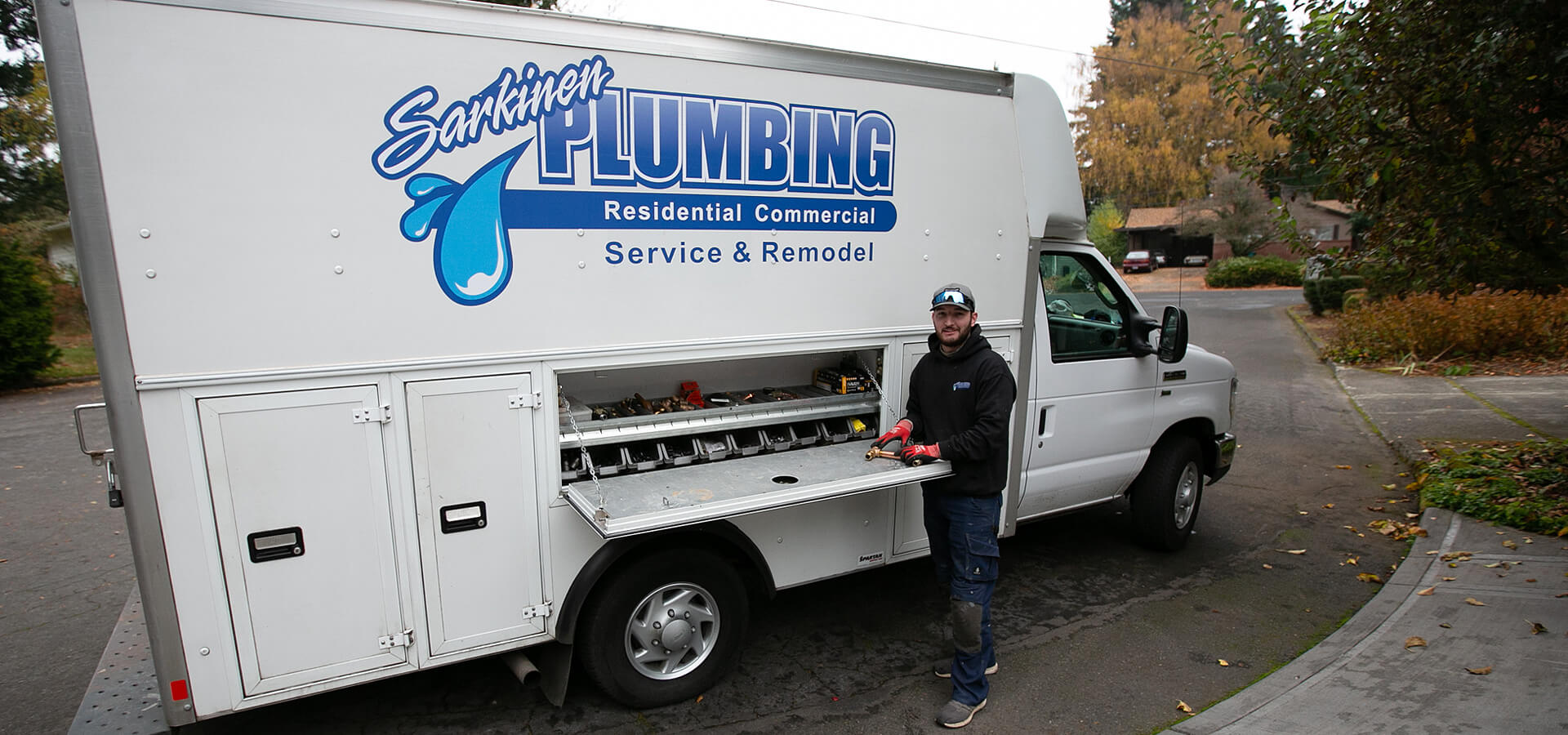
Water Heater Repair Vancouver WA
Tank & Tankless Diagnosis, Repair or Replacement — Parts on Every Truck
- Fast Same Day Service
- No Obligation Estimate
- Commercial & Residential Plumbing




Check out our
coupons!
We Offer
*0%
Financing
-
 off
off
Any service for new customers!
(*Minimum Purchase Required)
EXPIRES 10/26 -
 off
off
Main Water Service Replacement
Call now for details!
EXPIRES 10/26 -
 off
off
Water Heater Replacement
Call now to schedule!
EXPIRES 10/26 -
 off
off
Rain Drain Clearings
(*Minimum Purchase Required)
EXPIRES 10/26 -
 off
off
Seniors & Military
(*Minimum Purchase Required)
EXPIRES 10/26



How It Works
Call Us
Describe the symptoms — no hot water, strange noises, leaking, rusty water.
On-Site Diagnosis
Our tech inspects the unit, checks the burner, anode rod, thermostat, and connections.
Upfront Quote
Repair vs replace options with prices. Common parts are on the truck for same-day repair.
Fixed Today
Most water heater repairs are completed in a single visit.
Water Heater Repair — Vancouver & Portland
Why Water Heater Repair Should Not Wait
A water heater showing symptoms of trouble rarely gets better on its own. The popping sound that started last month gets louder. The lukewarm water that used to become hot eventually turns cold entirely. The small puddle at the base of the tank grows larger each day. Water heater problems are progressive — the component that is failing continues to deteriorate until it stops working completely, and by then the repair may have become a replacement. Addressing water heater issues early is almost always less expensive and less disruptive than waiting for a total failure.
Sarkinen Plumbing provides same-day water heater repair throughout the Portland-Vancouver metro area. Our trucks carry the most common replacement parts — thermocouples, heating elements, thermostats, gas valves, anode rods, and T&P relief valves — so most repairs are completed on the first visit without waiting for parts to arrive. We work on every type and brand of water heater, from 30-year-old tank units in garages to modern tankless systems mounted on walls. The diagnostic is fast, the pricing is upfront, and the repair gets your hot water back the same day.
Schedule water heater repair
Water Heater Repair vs. Replacement — Honest Guidance
One of the most important questions we answer for homeowners is whether their water heater should be repaired or replaced. The answer depends on three factors: the age of the unit, the nature of the problem, and the cost of the repair relative to replacement. A five-year-old water heater with a failed thermocouple is a clear repair — a $150 fix that extends years of remaining life. A twelve-year-old water heater with a corroded tank leaking from the bottom is a clear replacement — no repair can fix a tank that has rusted through from the inside.
The gray area falls between these extremes, and that is where honest advice matters most. A nine-year-old water heater with a failed lower heating element can be repaired, but if the tank also shows signs of sediment buildup and the anode rod is consumed, the unit may have only a year or two of life remaining regardless of the element repair. We give you the full picture — the cost of the repair, the estimated remaining lifespan after repair, and the cost of replacement with a new unit — so you can make an informed decision rather than guessing.
Get honest repair advice
All Water Heater Types and Brands Repaired
The Portland-Vancouver metro area has an enormous variety of water heaters in service. Older homes may have 20-year-old natural gas tank units with standing pilot lights. Newer homes increasingly feature tankless on-demand systems from Navien, Rinnai, and Noritz. Energy-conscious homeowners are adopting heat pump water heaters that use electricity to move heat from ambient air into the water tank. Each type has different components, different failure modes, and different diagnostic procedures.
Our technicians are trained on all water heater types and brands. We repair Rheem, Bradford White, A.O. Smith, Navien, Rinnai, Noritz, Takagi, Bosch, and others. We understand the error codes on tankless units, the thermistor calibration on heat pump models, and the mechanical components of traditional tank systems. This cross-platform expertise means one call to Sarkinen handles any water heater problem, regardless of what type or brand is installed in your home.
Repair any brand
Our Water Heater Repair Services
No Hot Water — Diagnosing the Most Common Water Heater Complaint
Waking up to a cold shower is the most frequent reason homeowners call for water heater repair. The cause depends on the type of unit. On a gas tank water heater, the most common culprit is a failed thermocouple — a small sensor near the pilot light that detects whether the flame is lit and shuts off the gas supply if it is not. A worn or misaligned thermocouple reads the pilot as unlit even when it is burning, causing the gas valve to close and the burner to stop heating. Thermocouple replacement is a straightforward, same-day repair.
On electric tank units, a tripped circuit breaker is the first thing to check, followed by failed upper or lower heating elements and thermostats. Electric water heaters use two heating elements that work in sequence — if the upper element fails, the tank produces no hot water at all. If the lower element fails, you get some hot water but it runs out much faster than usual. Our technicians test each component systematically, identify the failed part, and replace it with parts carried on the truck.
No hot water? Call now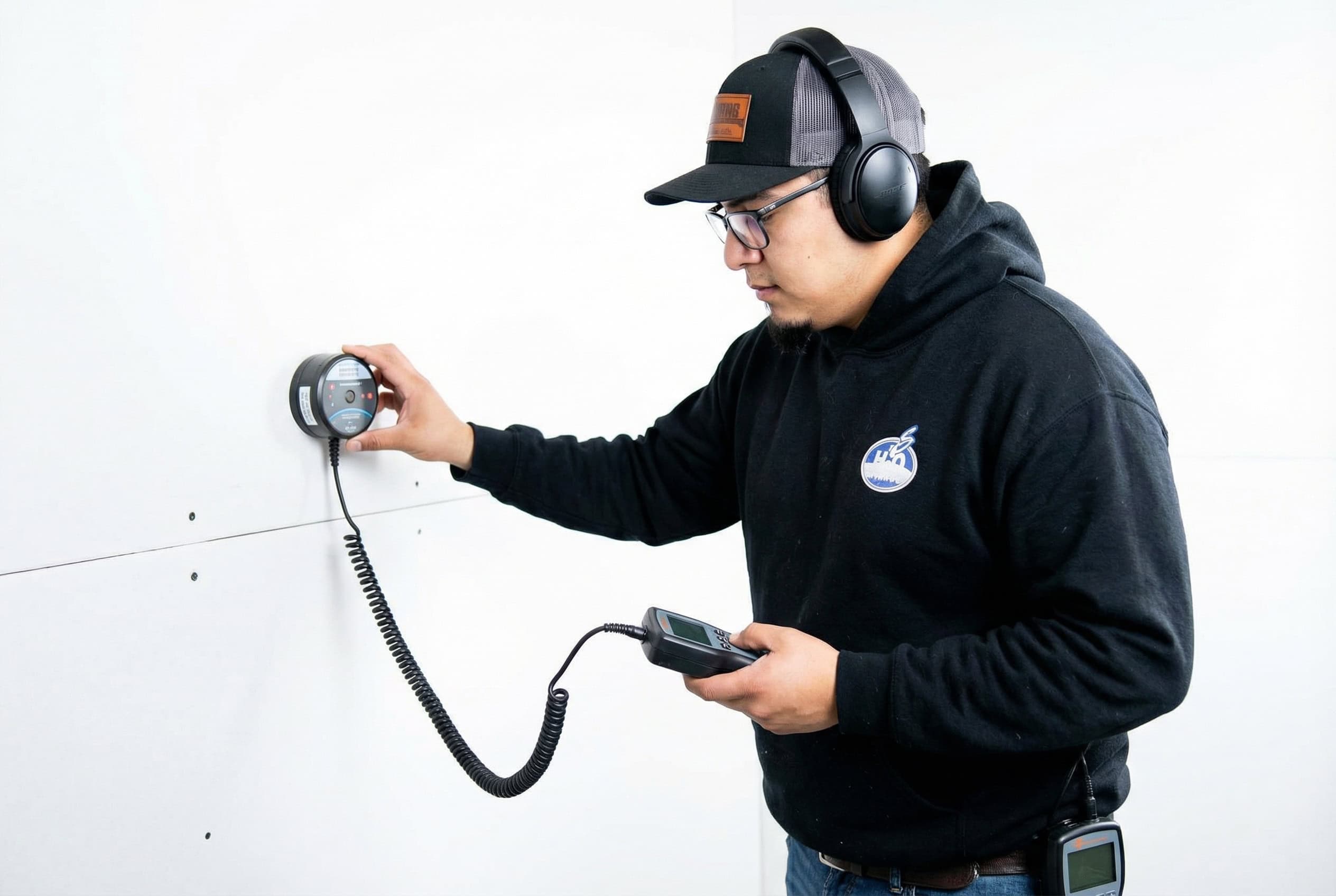
Water Heater Leaking — When to Worry and What to Do
Water pooling around the base of a water heater demands prompt attention, but not all leaks mean the tank needs to be replaced. The source of the leak determines the severity and the solution. A leak from the temperature and pressure (T&P) relief valve on the side of the tank indicates that the valve is doing its job — releasing water because the temperature or pressure inside the tank has exceeded safe limits. This points to a problem with the thermostat, a failing expansion tank, or excessive water pressure from the supply, all of which are repairable.
A leak from the pipe connections at the top of the tank is often caused by corroded fittings or loose connections that can be tightened or replaced. However, a leak from the bottom of the tank itself — water seeping from the tank shell rather than from any connection or valve — indicates that the tank lining has failed and internal corrosion has penetrated the steel. This cannot be repaired. The tank needs to be replaced before the corrosion worsens and the tank ruptures, which could release 40 to 80 gallons of water at once.
Leaking water heater help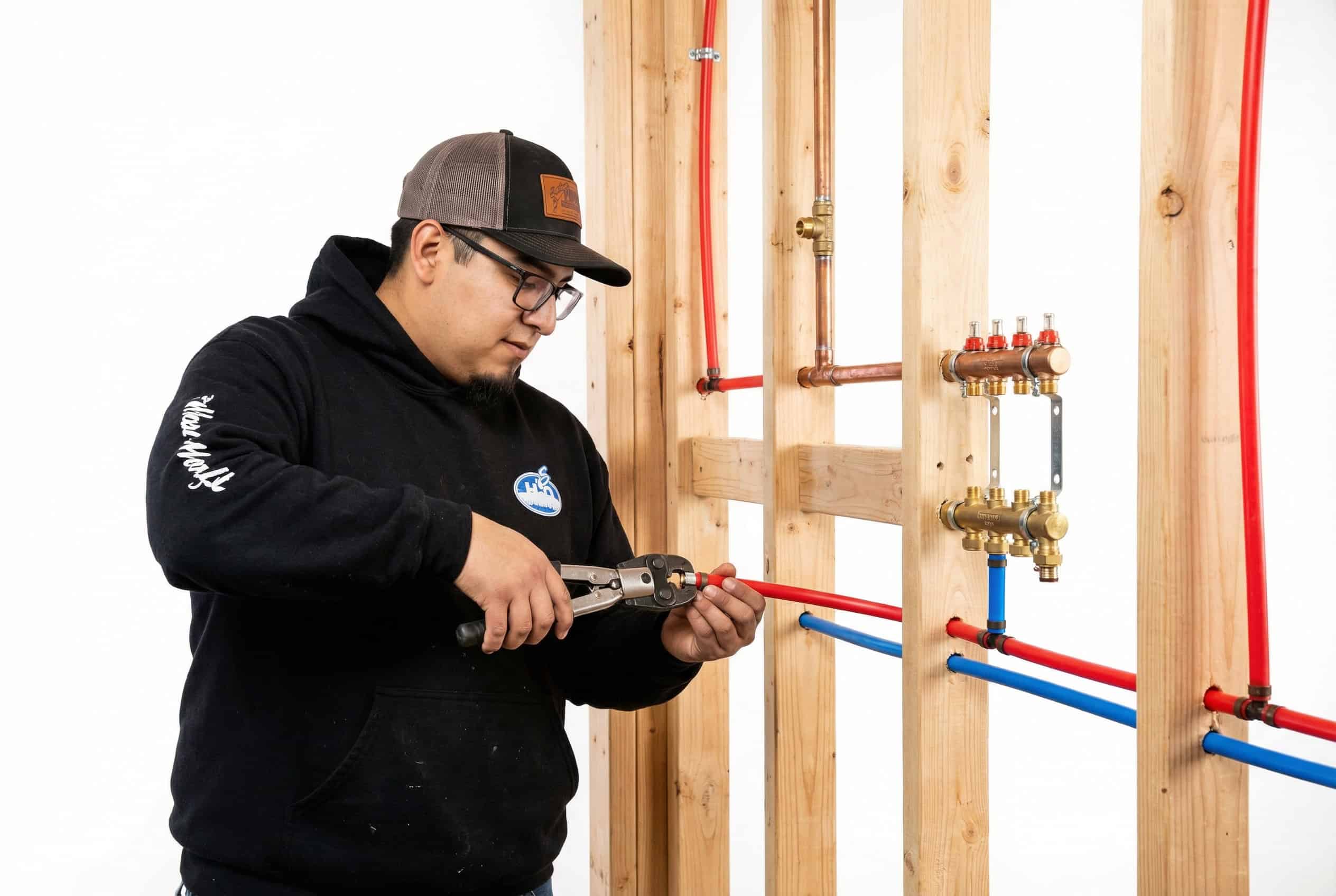
Tankless Water Heater Error Codes and Troubleshooting
Tankless water heaters are sophisticated appliances with electronic controls that display error codes when something goes wrong. While the error code provides a starting point, the actual diagnosis often requires testing multiple components. An ignition failure code, for example, could indicate a problem with the gas supply, the igniter, the flame rod, the gas valve, or the venting system. A flow sensor error could point to a clogged inlet filter, a failing flow sensor, a crossover in the plumbing, or a scale-clogged heat exchanger.
Our technicians are experienced with the error code systems on Navien, Rinnai, Noritz, Rheem, Takagi, and Bosch tankless units. We carry common replacement parts including flow sensors, igniters, flame rods, and inlet filters on our trucks. For units suffering from scale buildup in the heat exchanger — a common problem in areas with hard water — we perform a descaling flush using a vinegar-based solution that dissolves mineral deposits without damaging the exchanger. Annual descaling is the most important maintenance task for tankless water heaters and can prevent most performance issues.
Tankless repair service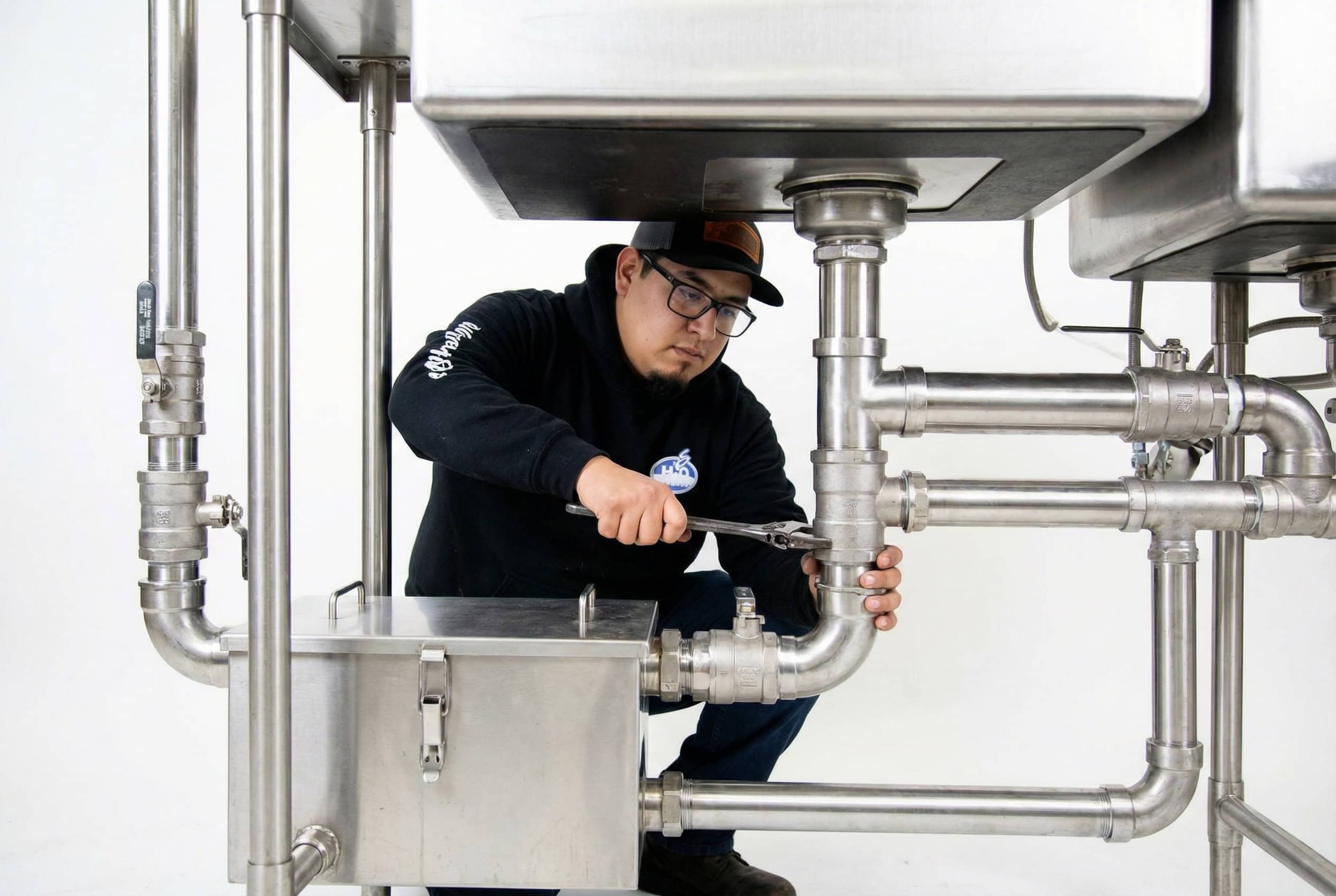
Sediment Buildup and Water Heater Flushing
Every tank water heater accumulates sediment at the bottom of the tank over time. Minerals dissolved in the water supply — calcium, magnesium, and other solids — settle out as the water is heated and collect in a layer at the bottom of the tank where the burner operates. This sediment layer acts as an insulator between the burner and the water, forcing the burner to run longer and work harder to heat the water through the obstruction. The result is higher energy bills, slower recovery time between uses, and the characteristic popping and rumbling sounds that many homeowners dismiss as normal.
A tank flush removes accumulated sediment by draining the tank through the drain valve at the bottom while fresh water flushes the loosened material out. We recommend annual tank flushing as part of routine water heater maintenance, particularly for homes with hard water. During a flush service, we also inspect the anode rod, test the T&P relief valve, and check the burner assembly or heating elements. This annual maintenance extends the life of the water heater by years and maintains its efficiency at original levels.
Water heater maintenance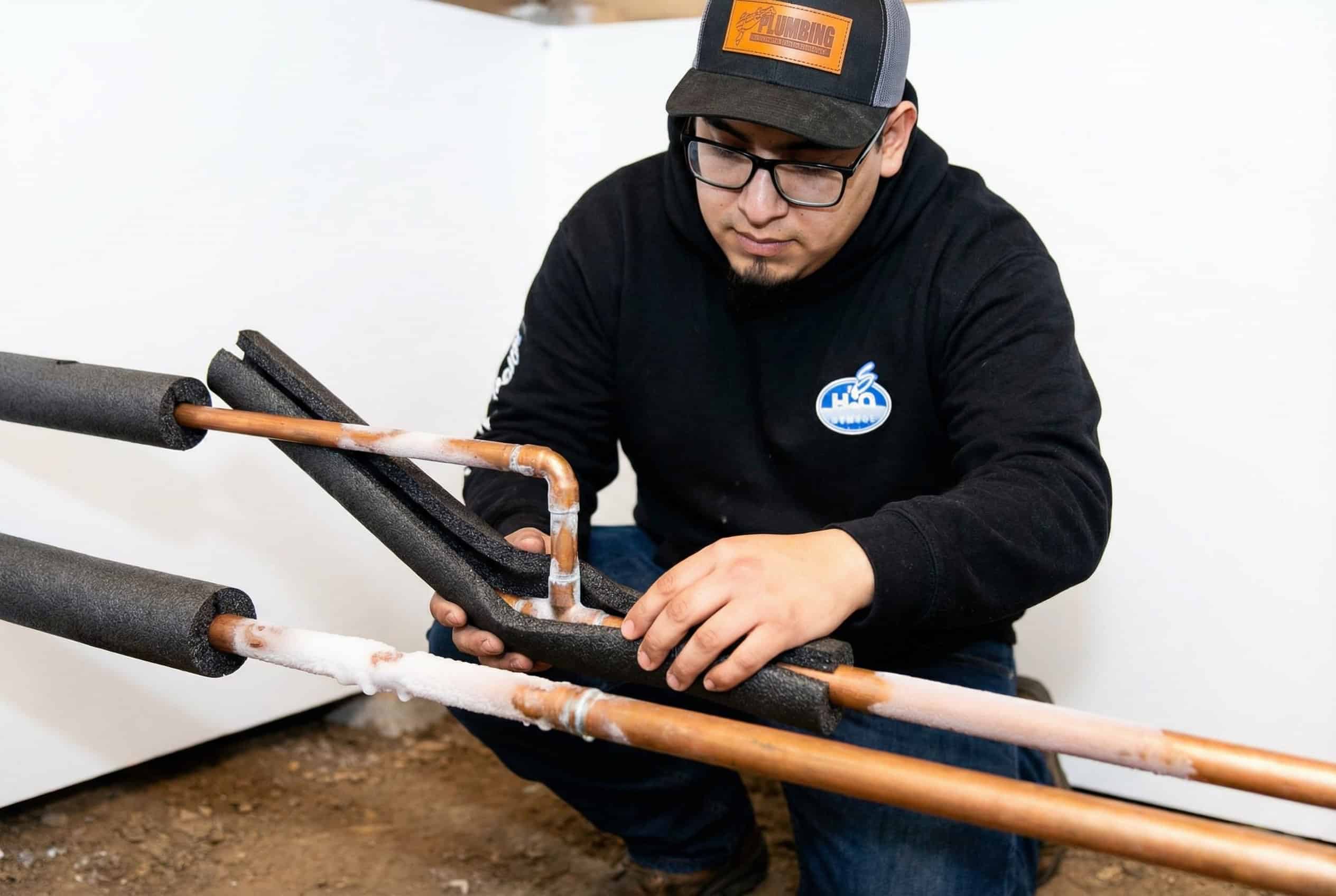
Pilot Light Problems on Gas Water Heaters
A gas water heater pilot light that keeps going out is one of the most common and most frustrating water heater problems. You relight it, it burns for a few hours or a few days, and then it goes out again. The most frequent cause is a failing thermocouple — the small metal probe positioned in the pilot flame that generates a tiny electrical current when heated. This current holds the gas valve open. When the thermocouple wears out or shifts out of position, it stops generating enough current, and the gas valve closes to prevent unburned gas from accumulating.
Thermocouple replacement is a quick repair that our plumbers perform routinely. We carry universal and brand-specific thermocouples on our trucks and can complete the repair in under an hour in most cases. Less commonly, a pilot light that will not stay lit can indicate a faulty gas control valve, a clogged pilot tube, or a drafting issue with the water heater’s venting system. If replacing the thermocouple does not solve the problem, we test the remaining components to identify the actual cause.
Pilot light repair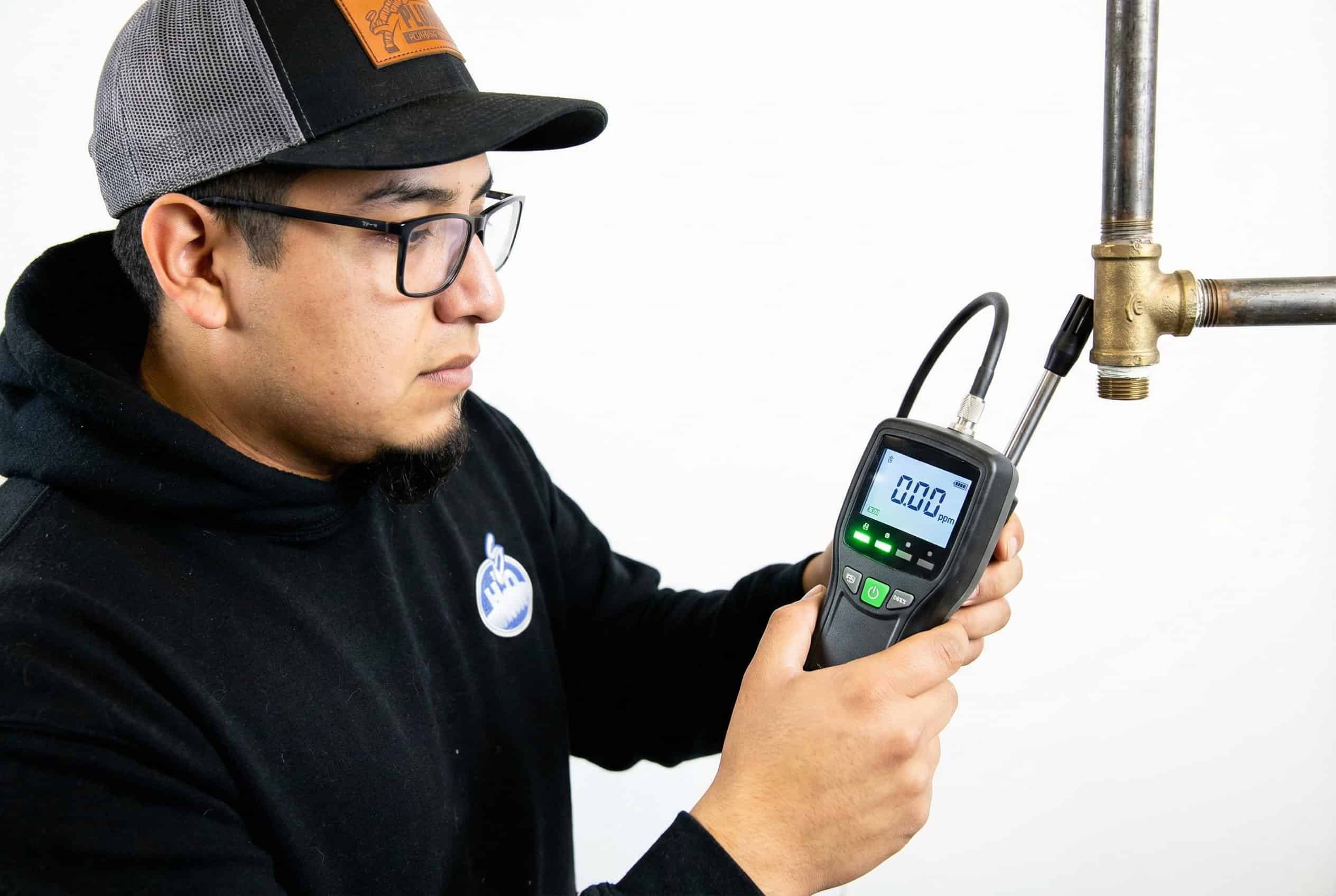
What Our Customers Say About Water Heater Repair
Portland & Vancouver’s Best Local Plumber
-
“Called them on a Sunday night with a broken home water heater, had a technician arrive early Monday, discussed options and went with a replacement. Took vaya of financing around noon, they arrived and had it replaced by 2:00. All was done in less than 24 hours.”
 Perry Pederson
“The guy that came out looked at the problem and was right up front and told us if we were to replace just the control panel we would have to keep replacing it as our water heater was leaking and he was able to schedule same day installation for a new one”
Juanita Berry“The crew at Sarkinen were incredibly helpful. If I ever have any issues with water heater or plumbing services, I have them on speed dial!”
Larissa Akin“I love Sarkinen Plumbing. We’ve used them three times so far, and even for non-emergencies they’ve had someone here within 24hrs of us calling. This last time diagnosing our problem was a bit more complicated, due to an old janky pipe design that bypassed our water tank, and caused well water pressure issues, but they stuck it out, presented us…”
Mindy Lym -
“I went from disappointment to extremely grateful. Their garbage disposal installation quote was $1150 and I have the disposal, outrageous, so I declined. However, we had another issue, low water pressure and no hot water at the kitchen sink. So I ask for their expert in these situations to come to the house a few days later. Jordan, knows his…”
Teri Lou Dantzler“I recently had an issue with my water heater. One of Sarkinen’s plumbers came out on a Saturday (I think his name was Alex) to repair it. He saw that it was a simple repair and agreed with me that I could do it myself. He gave me some pointers and left me to it, not even charging me for the visit. This is the second time I have worked with…”
Jason LeMaster“Dustin and Tanner replaced my kitchen faucet. They brought me 3 different faucets to chose from. It was a tricky installation as they had to make the hole in the lower cabinet under the sink larger. They reinstalled my instant hot water and left the area spotless! Great job !!”
Jill Oshiro“Sarkinen was amazing, they came out and evaluated what the problem was and were able to get our 19yr old water heater replaced in a timely manner. They were respectful of us and our time. They went above and beyond. Thank you!”
Anne VanDeWege -
“Great attitude! Even though they brought the wrong water heater, the work they did was great.”
Le Ma’amanu“Within 24 hours of contacting Sarkinen I had a water heater replaced and installed . Everyone I dealt with were very professional. Highly recommend Sarkinen . Thank you”
Debbie Stein“Got a water heater replaced same day. Fantastic customer service.”
Dave Youtsey“Great plumbing service! Professional and on time.”
Satisfied Customer
Why Vancouver & Portland Homeowners Choose Sarkinen
Upfront, Fair Pricing
No hidden fees, no overtime charges. You get a clear, written price before any work begins. Same rate day or night.
Licensed in WA & OR
Dual-state licensing (WA #SARKIPI946MF, OR #170052) means we serve the entire Portland-Vancouver metro.
24/7 Emergency Service
We answer the phone day and night. A licensed plumber is dispatched immediately — at your door within 60-90 minutes.
Satisfaction Guaranteed
Every repair backed by our workmanship guarantee. Background-checked, drug-tested plumbers who treat your home with care.
Cities We Serve for Water Heater Repair
Washington
Water Heater Repair Questions & Answers
The most common causes depend on the type of water heater. For gas tank units, the pilot light may have gone out, the thermocouple may have failed, or the gas valve may be malfunctioning. For electric tank units, a tripped breaker, a blown fuse, or a failed heating element is usually the cause. For tankless units, ignition failure, a clogged heat exchanger, or a flow sensor issue can prevent hot water production. Our technicians diagnose the specific cause on site and carry common replacement parts on the truck.
As a general rule, if your water heater is less than 8 years old and the repair cost is less than half the cost of replacement, repair makes financial sense. If the unit is over 10 years old, requires a major repair like a new heat exchanger or tank, or has a history of recurring problems, replacement is usually the better investment. We provide honest recommendations based on the age, condition, and repair history of your specific unit.
Popping and rumbling sounds from a tank water heater are caused by sediment buildup at the bottom of the tank. Over time, minerals in the water settle and form a layer of sediment. When the burner heats the water, it has to heat through this sediment layer, causing water trapped beneath it to boil and create popping sounds. A tank flush can remove this sediment and often resolves the noise.
Rusty hot water usually indicates that the anode rod inside the tank has been consumed and the tank itself is beginning to corrode, or there is corrosion in the hot water supply pipes. If the rusty water is only present on the hot side, the water heater is the likely source. A failing anode rod can be replaced if the tank is still in good condition. If the tank itself is corroding, replacement is necessary.
We recommend annual maintenance for tank water heaters, which includes a tank flush to remove sediment, anode rod inspection, temperature and pressure relief valve test, and visual inspection of the burner assembly and venting. Tankless water heaters should be descaled annually, especially in areas with hard water. Regular maintenance extends the life of the water heater and helps maintain efficiency.
Schedule Water Heater Repair Today
Call now or schedule online. Same-day service available.
- Vancouver 360-369-3586
- Portland 503-925-3504
Vancouver Location
Proudly Serving
Portland and Vancouver
from Wilsonville to Longview &
Hillsboro to Gresham
UBI # 602-521-027
OR Contractor Lic# 170052 (CCB)
WA Contractor Lic# SARKIPI946MF
OR Plumber Lic# PB115
Customer Satisfaction
4.6 stars - Based on 227 Reviews







Quick Links
Plumbing Services
SW Washington Service Areas
Oregon Service Areas
Contact Information
Sarkinen PlumbingVancouver
9502 NE 72nd Ave
Vancouver, WA 98665
Phone: 360-369-3586
Portland
Phone: 503-925-3504
Hours of Operation
Monday - Sunday 24-hours