- Vancouver 360-369-3586
- Portland 503-925-3504

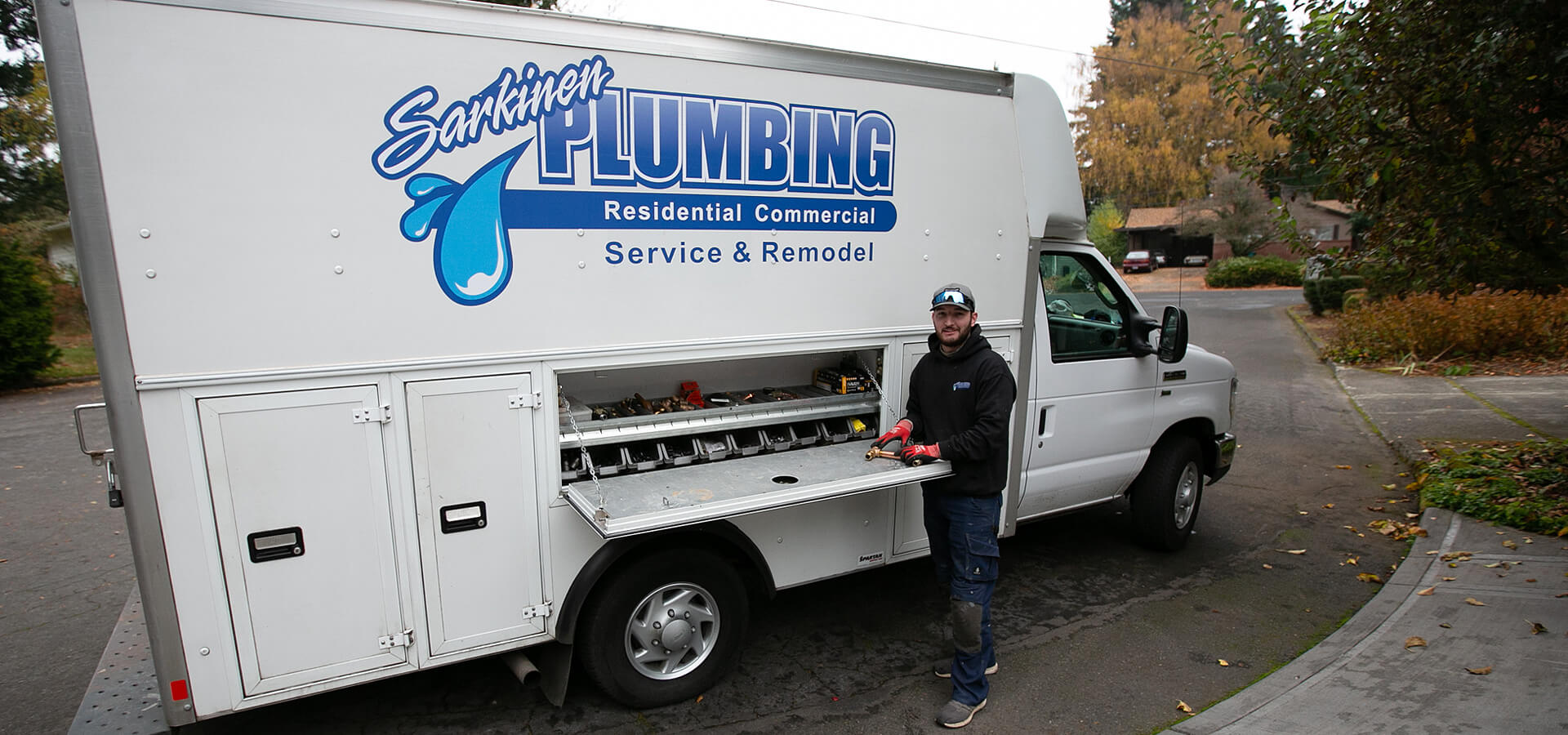
Main Water Line Repair Vancouver WA
Low Pressure, Soggy Yards & High Water Bills — Repair or Full Replacement
- Fast Same Day Service
- No Obligation Estimate
- Commercial & Residential Plumbing




Check out our
coupons!
We Offer
*0%
Financing
-
 off
off
Any service for new customers!
(*Minimum Purchase Required)
EXPIRES 6/26 -
 off
off
Main Water Service Replacement
Call now for details!
EXPIRES 6/26 -
 off
off
Water Heater Replacement
Call now to schedule!
EXPIRES 6/26 -
 off
off
Rain Drain Clearings
(*Minimum Purchase Required)
EXPIRES 6/26 -
 off
off
Seniors & Military
(*Minimum Purchase Required)
EXPIRES 6/26



How It Works
Call Us
Call anytime, 24/7. A real person answers and schedules your appointment.
We Diagnose
Our plumber inspects, identifies the problem, and explains what is needed.
Upfront Quote
You get options with prices before any work begins. Your choice.
Expert Repair
Licensed plumber completes the work, cleans up, and walks you through it.
Main Water Line Repair — Vancouver & Portland
Why Main Water Line Problems Demand Prompt Attention
Your main water line is the single pipe responsible for delivering all of your home’s water supply from the city meter to your house. When this pipe leaks, breaks, or becomes restricted by corrosion, the impact is felt at every fixture in the home. Showers lose pressure, washing machines take longer to fill, and the water bill climbs without any change in usage. A main line break goes further — saturating soil around your foundation, undermining driveways and walkways, and potentially wasting thousands of gallons of water per day.
The challenge with main water line problems is that the pipe is buried underground, out of sight and out of mind. Homeowners often attribute the symptoms — gradual pressure loss, a slowly rising water bill, a soft spot in the yard — to other causes and delay investigation for months. During that time, the problem gets worse and the damage accumulates. Sarkinen Plumbing encourages homeowners who notice any of these signs to schedule a main water line inspection before a small problem becomes an emergency.
Schedule a line inspection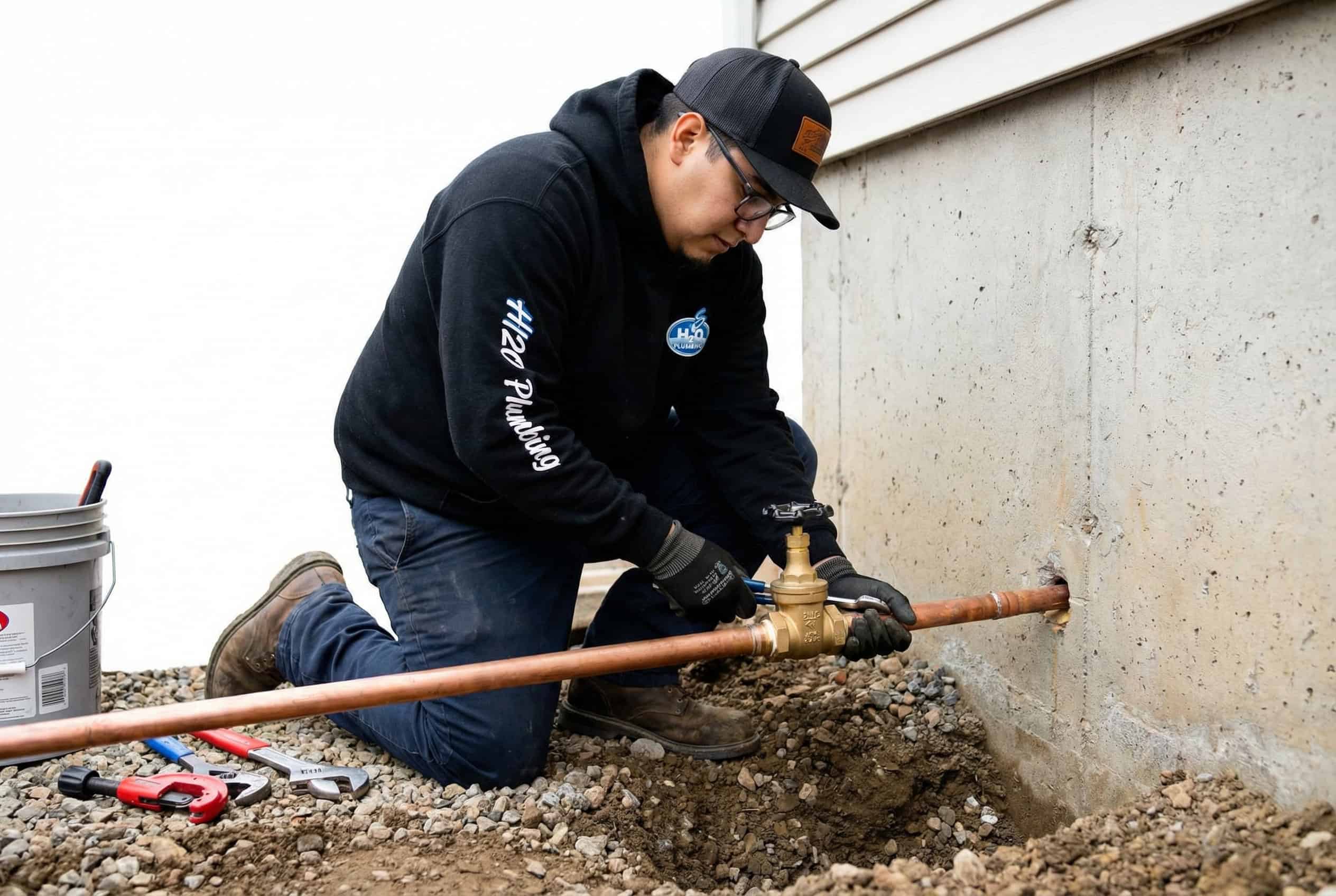
Main Water Line Materials and Failure Patterns
The material of your main water line determines how it will fail and when. Galvanized steel lines, common in homes built before the 1970s, corrode from the inside out, building up rust and scale that progressively restricts water flow over decades. Copper lines, installed from the 1960s through the present, are durable but can develop leaks from aggressive soil conditions, electrolysis, or physical damage from tree roots and ground settling. HDPE and PEX lines, used in newer construction, are resistant to corrosion but can be damaged by sharp rocks, rodents, or improper installation.
In the Portland-Vancouver metro, we encounter all of these materials. Older neighborhoods in Vancouver, Portland, and the surrounding inner suburbs often have galvanized or early copper main lines that are 50 to 70 years old. Homes built in the 1980s and 1990s may have copper lines that are beginning to show their age. Newer construction in Ridgefield, Camas, and the outer suburbs typically has HDPE or copper. Knowing the pipe material in your home helps us anticipate the type of failure and plan the repair accordingly.
Identify your pipe type
Repair vs. Replacement for Main Water Lines
Not every main water line problem requires replacing the entire pipe. A localized break caused by a rock shift, a tree root, or a single corroded section can often be fixed with a spot repair that replaces only the damaged portion. Spot repair is faster, less expensive, and less disruptive than a full line replacement. It is the right choice when the rest of the pipe is in good condition and the failure was caused by an external factor rather than systemic deterioration.
Full replacement is necessary when the pipe has multiple failure points, is made of galvanized steel that has corroded throughout its length, or has reached the end of its expected lifespan. For full replacements, we offer both traditional trenching and trenchless boring to install the new line. Trenchless boring installs the new pipe underground without digging a trench across your yard, preserving driveways, sidewalks, and landscaping. We evaluate your specific situation and recommend the approach that delivers the best long-term result at the most reasonable cost.
Repair or replace options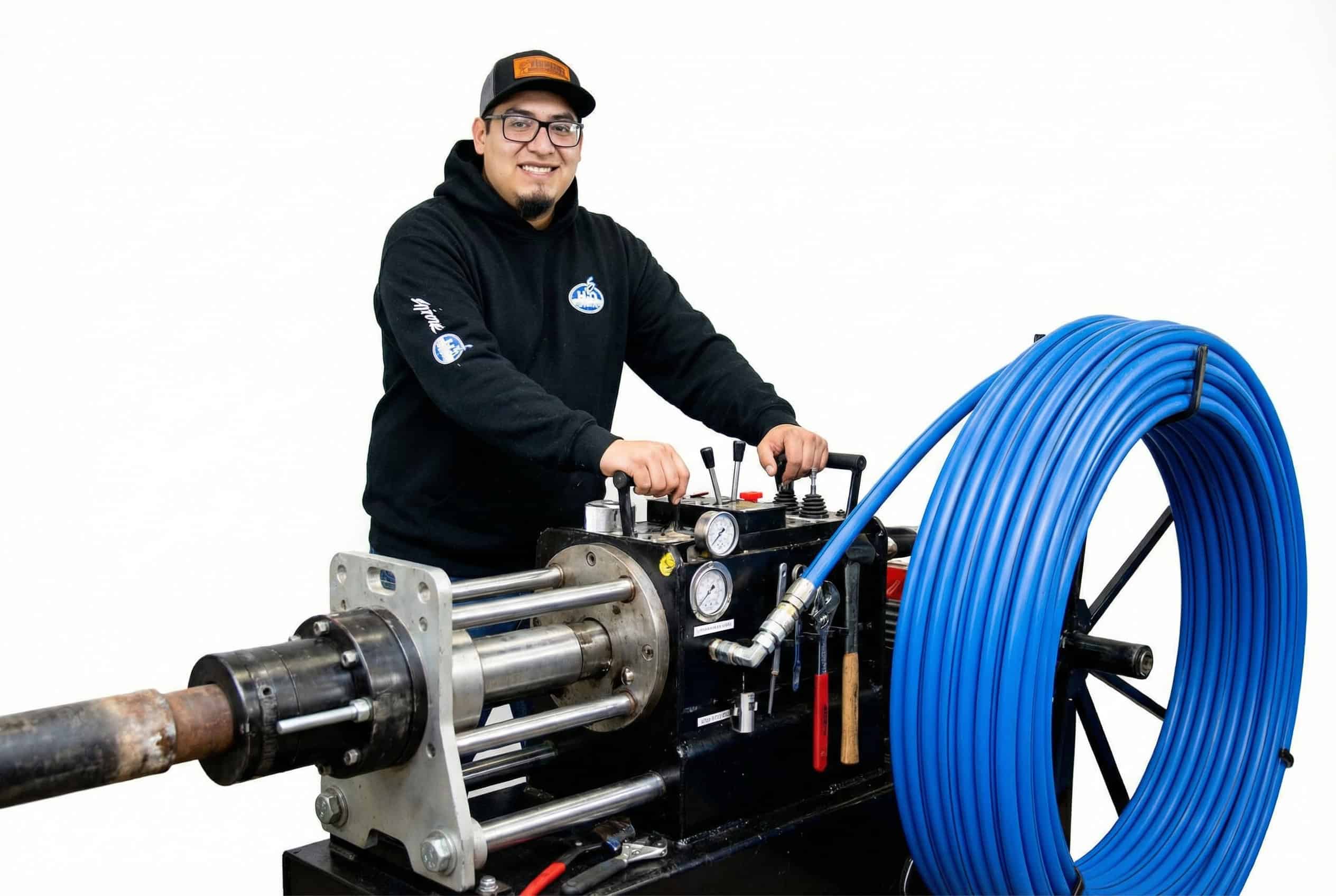
Our Main Water Line Repair Services
Low Water Pressure Throughout the House
When every faucet and fixture in your home has weak water pressure, the main water line is the primary suspect. Corrosion inside galvanized steel pipes narrows the pipe diameter over decades, reducing the volume of water that can flow through at any given time. A half-inch galvanized pipe that originally delivered strong pressure to every fixture may now be restricted to a fraction of its original capacity. The pressure loss is gradual enough that homeowners adapt to it without realizing how far it has fallen.
We diagnose main line pressure problems by testing the pressure at the city meter and at the point where the water line enters the house. If there is a significant pressure drop between these two points, the main water line is restricting flow. We then inspect the line to determine the cause — corrosion, a partial obstruction, a crushed section, or a leak that is diverting water into the soil. The solution may be a spot repair if the restriction is localized, or a full line replacement if the pipe has corroded throughout its length.
Restore water pressure
Water Main Break Emergency Response
A fully broken main water line is a plumbing emergency that demands immediate response. Water gushes from the break point at city supply pressure, saturating the soil around your foundation, flooding the yard, and potentially undermining driveways and walkways. The water bill accumulates rapidly — a main line break can waste thousands of gallons per day. If the break occurs on the house side of the meter, you are responsible for the repair and the water loss until the break is stopped.
Sarkinen Plumbing responds to water main breaks with the same urgency as any plumbing emergency. Our first action is shutting off the water at the meter to stop the flow. We then locate the break, assess the extent of damage, and plan the repair. If the break is in an otherwise healthy pipe, a spot repair addresses the immediate problem. If the pipe is galvanized and the break is just the latest symptom of systemic corrosion, we discuss full line replacement as a permanent solution. We handle all utility coordination and permitting as part of the emergency repair.
Water main emergency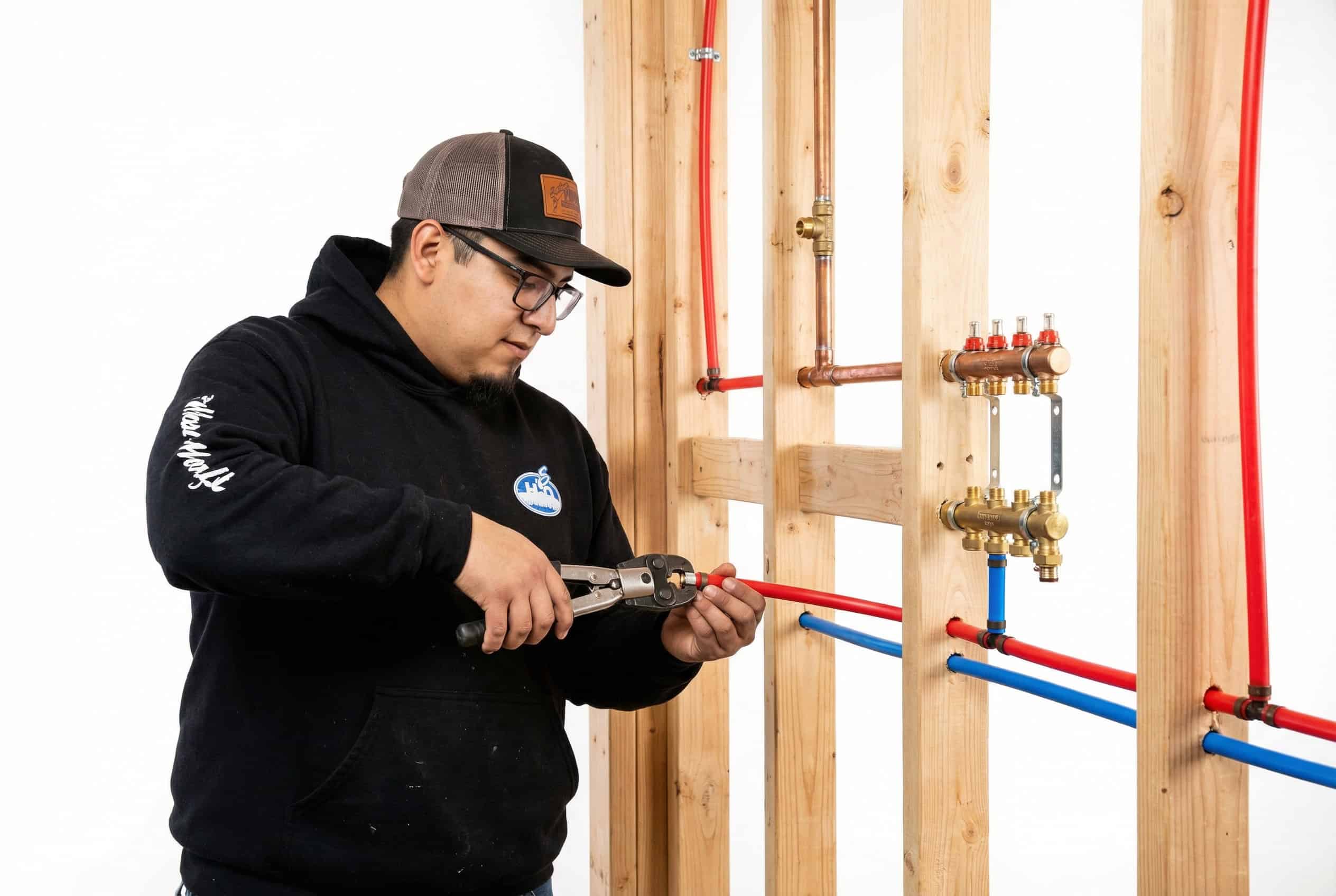
Tree Root Damage to Main Water Lines
Tree roots are attracted to the moisture that surrounds water supply lines, and large roots can wrap around, crush, or penetrate the pipe over time. The Pacific Northwest’s mature tree canopy and moist soil create ideal conditions for root damage to underground water lines. Roots from Douglas firs, maples, and other common metro-area trees can extend 20 to 30 feet from the trunk, easily reaching a water line that runs from the street to the house.
Root damage to main water lines typically manifests as a gradual decline in water pressure, unexplained wet spots in the yard along the pipe path, or a sudden break when a root finally crushes or penetrates the pipe wall. Spot repair can address root damage at a single location, but if the root system extends along a significant portion of the pipe path, the roots will continue to cause damage. In these cases, we may recommend replacing the line with HDPE pipe, which is more resistant to root damage than copper or galvanized steel.
Root damage assessment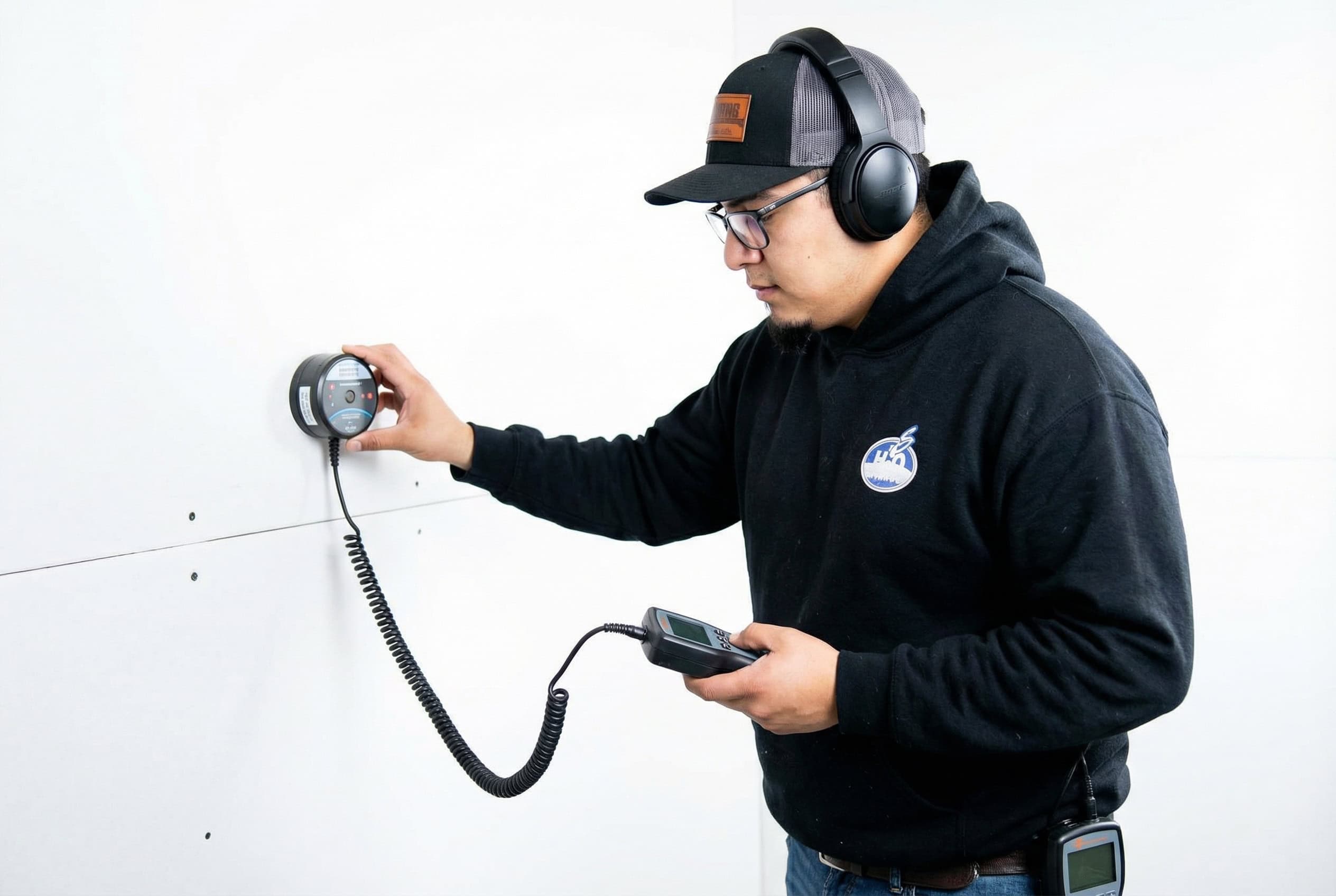
Galvanized Main Water Line Replacement
Homes built before the 1970s throughout the Portland-Vancouver metro area frequently have galvanized steel main water lines that are now 50 to 70 years old. These pipes have corroded significantly, and the internal rust buildup restricts water flow to a fraction of original capacity. The discolored water and low pressure that result are not just inconveniences — the rust particles in the water supply raise aesthetic and health concerns, and the weakened pipe walls are increasingly prone to sudden failure.
We replace galvanized main water lines with modern copper or HDPE pipe that will deliver full pressure and clean water for decades. For properties where the main line runs under a driveway or extensive landscaping, we use trenchless boring to install the new line without surface disruption. For properties with accessible, open-yard pipe paths, traditional trenching may be more cost-effective. We present both options with clear pricing so you can choose the approach that works best for your property and budget.
Replace galvanized line
Water Line Insurance and Documentation Support
Many homeowners in the Portland-Vancouver metro carry water line insurance through their utility company or a separate policy. These policies can help offset the cost of main water line repair or replacement, but they typically require documentation from a licensed plumber — a diagnosis of the problem, an estimate for the repair, and a description of the work performed. Understanding the claims process and providing the right documentation is essential to getting coverage approved.
Sarkinen Plumbing provides all the documentation needed to support water line insurance claims, including detailed written diagnoses, itemized repair estimates, before-and-after documentation, and descriptions of the work performed. We are familiar with the claim requirements of the major water line insurance programs offered in our service area and can advise you on what information your insurer is likely to request. If you have water line insurance, let us know when you call so we can ensure our documentation meets your insurer’s requirements from the start.
Insurance claim support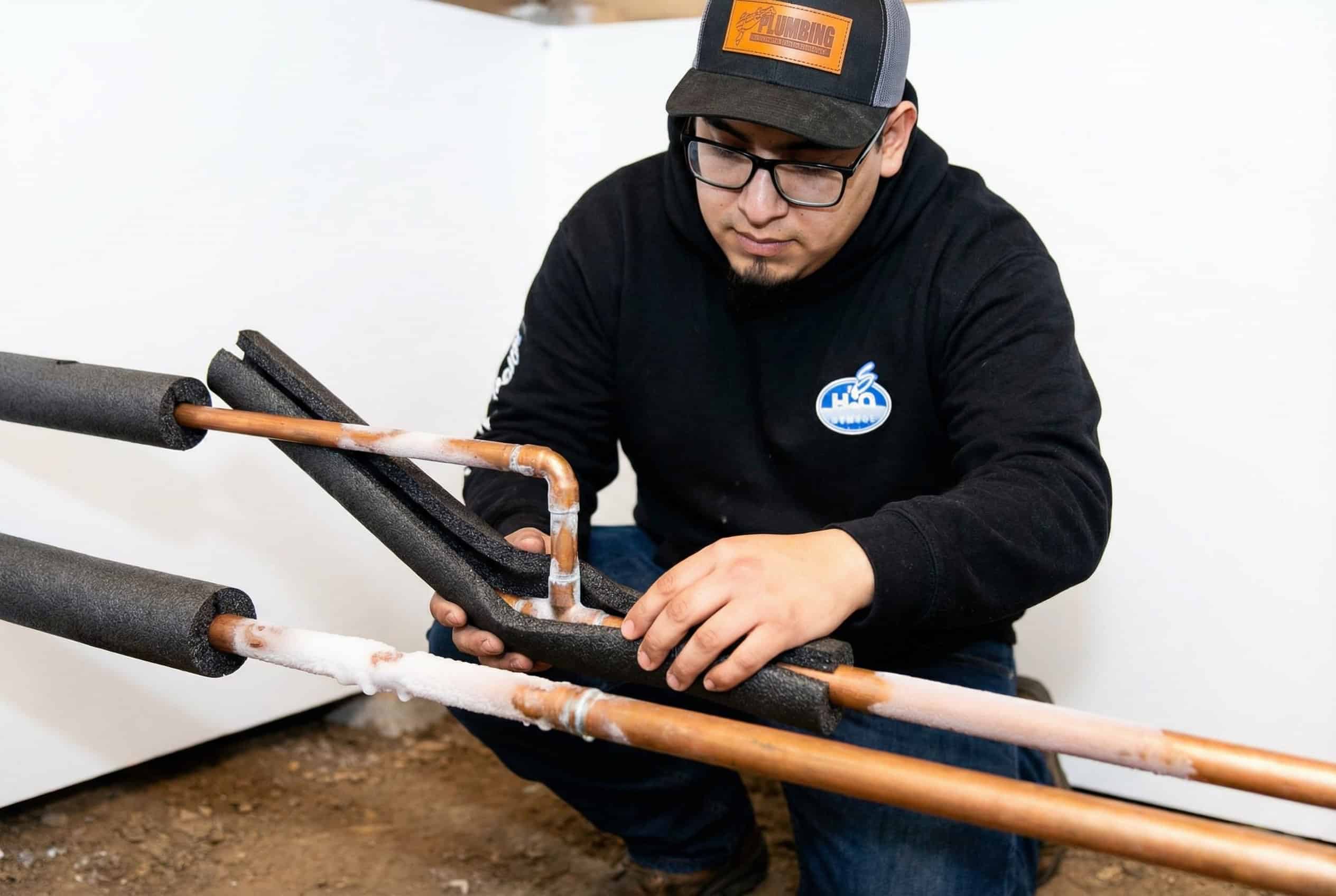
What Our Customers Say About Main Water Line Repair
Portland & Vancouver’s Best Local Plumber
-
“Daniel was terrific. Tracked down the leak, was knowledgeable and informative and cleaned up afterwards.”
 Liisa MacLaren
“Freezing temperatures and a small leak from a hose bib faucet. Sarkinen and their capable crew showed up promptly and had everything corrected swiftly! Really appreciate having someone capable and dependable to call! Thank you Sarkinen Plumbing!”
Jerry Hogan“The plumbers were very friendly and fixed the leak quickly.”
Laurie Rekucki“Water main leak. Fixed fast and professional crew both office staff and technicians. 5 stars!”
chris conley -
“Wow. I couldn’t have been happier with the services these guys provided. It has been a long time since I was impressed with a business or the people affiliated with any kind of company. The two guys that came out to fix my sink that was leaking were very professional, kind, knowledgeable, and really made me feel more than comfortable with them…”
Scott Stevens“I woke up to a leak in my kitchen ceiling from the upstairs bathroom. So I called Sarkinen and they sent out Dustin Ell, he had a solid idea what the issue was and got on it. He was knowledgeable and helpful and most importantly stopped the leak! Thank you!”
Rob Renner“We had a leaking water heater. Sarkinen sent a technician to give us an estimate the next day. We talked about the details and financed it that day in my home. Next day we had a new water heater installed. Friendly, curious and professional.”
Scott Winks“Thanks for getting this leak finally fixed!”
Alyssa Ostrander -
“Early yesterday morning we found a small pinhole leak on the supply line out of the waterheater. Had the water turned off and tried to find someone who could come out that day. Unfortunately the supply line was soldered on and so I couldn’t replace on my own. Texted Sarkinen at about 9:30a. Got an immediate response and scheduled for later…”
Jeff Wray“I hope you never have a water leak emergency where you are using buckets and a shop vacuum at the same time. If it happens to you, I hope you can get Carlos from Sarkinen to come. After normal work hours and with stubborn fitting, he found a way to repair the system while explaining every step he was taking Thanks Carlos Mike”
Michael Kenny“Aug 22: Great service Timely. Oct 23: Came out a year later to fix a leak under the house. Prompt service after hours. Highly recommend.”
Rich Goss“They were able to come out quicker than other plumbers to fix our leak! They were recommended by a friend when we couldn’t get anyone in Portland for nearly a week. It was a day earlier but that’s huge when you’re without water. Thank you!”
Linda Grayson
Why Vancouver & Portland Homeowners Choose Sarkinen
Upfront, Fair Pricing
No hidden fees, no overtime charges. You get a clear, written price before any work begins. Same rate day or night.
Licensed in WA & OR
Dual-state licensing (WA #SARKIPI946MF, OR #170052) means we serve the entire Portland-Vancouver metro.
24/7 Emergency Service
We answer the phone day and night. A licensed plumber is dispatched immediately — at your door within 60-90 minutes.
Satisfaction Guaranteed
Every repair backed by our workmanship guarantee. Background-checked, drug-tested plumbers who treat your home with care.
Cities We Serve for Main Water Line Repair
Washington
Main Water Line Repair Questions & Answers
Signs of a main water line problem include low water pressure throughout the house (not just one fixture), unexplained increases in your water bill, wet or soggy areas in the yard near the water line path, visible water pooling or sinkholes in the yard, discolored or muddy water from the tap, and the sound of running water when all fixtures are turned off. If you notice any of these signs, a main water line inspection can identify the problem.
Main water lines fail due to corrosion (especially in older galvanized steel or copper lines), ground shifting and soil settlement that stresses pipe joints, tree root intrusion that penetrates or crushes the pipe, freezing temperatures that can crack or split the pipe, and age-related material deterioration. Homes with original water lines that are 40 or more years old are at higher risk of failure.
In many cases, yes. Spot repairs require excavation only at the location of the break. For full line replacements, we offer trenchless boring that installs a new pipe underground with minimal surface disruption, requiring only small pits at each end of the run. However, some situations do require traditional open-trench excavation, particularly if the line needs to be rerouted. We evaluate the options and recommend the least disruptive approach for your situation.
A spot repair on an accessible, shallow main water line can often be completed in a single day. A full main water line replacement typically takes one to two days for the pipe installation, plus additional time for utility coordination, permits, and surface restoration if needed. We provide a timeline with your repair quote.
Yes. Main water line work typically requires a plumbing permit and, in some cases, coordination with the local water utility for the meter-side connection. Sarkinen Plumbing handles the entire permitting process, including pulling the permit, scheduling inspections, and coordinating with the utility company. This is included in our project price.
We typically install new main water lines using either copper or HDPE (high-density polyethylene). Copper has a proven track record of 50+ years and is required by some local codes. HDPE is flexible, corrosion-resistant, and can be installed in long continuous runs without joints, reducing potential leak points. We recommend the material that best suits your soil conditions, local code requirements, and budget.
Schedule Main Water Line Repair Today
Call now or schedule online. Same-day service available.
- Vancouver 360-369-3586
- Portland 503-925-3504
Vancouver Location
Proudly Serving
Portland and Vancouver
from Wilsonville to Longview &
Hillsboro to Gresham
UBI # 602-521-027
OR Contractor Lic# 170052 (CCB)
WA Contractor Lic# SARKIPI946MF
OR Plumber Lic# PB115
Customer Satisfaction
4.6 stars - Based on 227 Reviews







Quick Links
Plumbing Services
SW Washington Service Areas
Oregon Service Areas
Contact Information
Sarkinen PlumbingVancouver
9502 NE 72nd Ave
Vancouver, WA 98665
Phone: 360-369-3586
Portland
Phone: 503-925-3504
Hours of Operation
Monday - Sunday 24-hours