- Vancouver 360-369-3586
- Portland 503-925-3504

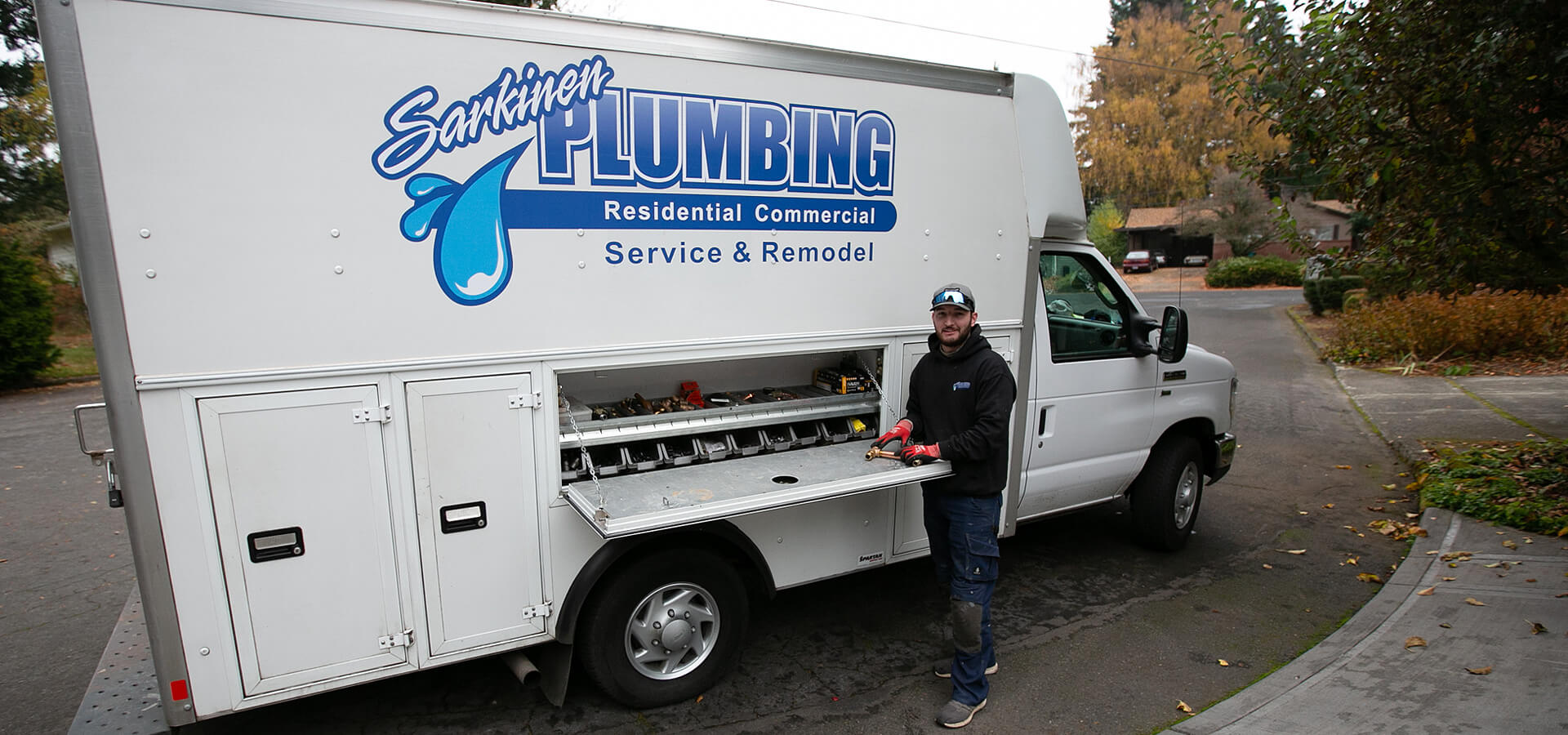
Leak Detection Vancouver WA
Electronic & Thermal Imaging Leak Location — No Demolition Required
- Fast Same Day Service
- No Obligation Estimate
- Commercial & Residential Plumbing




Check out our
coupons!
We Offer
*0%
Financing
-
 off
off
Any service for new customers!
(*Minimum Purchase Required)
EXPIRES 9/26 -
 off
off
Main Water Service Replacement
Call now for details!
EXPIRES 9/26 -
 off
off
Water Heater Replacement
Call now to schedule!
EXPIRES 9/26 -
 off
off
Rain Drain Clearings
(*Minimum Purchase Required)
EXPIRES 9/26 -
 off
off
Seniors & Military
(*Minimum Purchase Required)
EXPIRES 9/26



How It Works
Call Us
Call anytime, 24/7. A real person answers and schedules your appointment.
We Diagnose
Our plumber inspects, identifies the problem, and explains what is needed.
Upfront Quote
You get options with prices before any work begins. Your choice.
Expert Repair
Licensed plumber completes the work, cleans up, and walks you through it.
What to Do Right Now
Turn off the main water shut-off valve. Turn off your water heater to prevent pressure buildup. Place buckets under active leaks. Call us at 360-369-3586 — we dispatch immediately.
24/7 Leak Detection — Vancouver & Portland
Why Hidden Leak Detection Saves Thousands in Damage
A hidden plumbing leak is one of the most financially destructive problems a homeowner can face, precisely because it operates out of sight. A pinhole leak behind a bathroom wall may drip only a few ounces per hour, but over weeks and months that moisture saturates drywall, soaks insulation, rots framing lumber, and creates ideal conditions for mold colonization. By the time you notice a water stain on the ceiling or a musty smell in a hallway, the damage behind the surface can already total thousands of dollars in remediation costs.
Professional leak detection eliminates the guesswork and the demolition. Sarkinen Plumbing uses electronic listening devices, acoustic sensors, and thermal imaging cameras to locate leaks through walls, under concrete slabs, and in crawl spaces without cutting exploratory holes in your home. We pinpoint the leak first, confirm it with multiple detection methods, then make the smallest possible access point to reach and repair the pipe. This precision approach saves you the cost and disruption of unnecessary demolition and reconstruction.
Schedule leak detection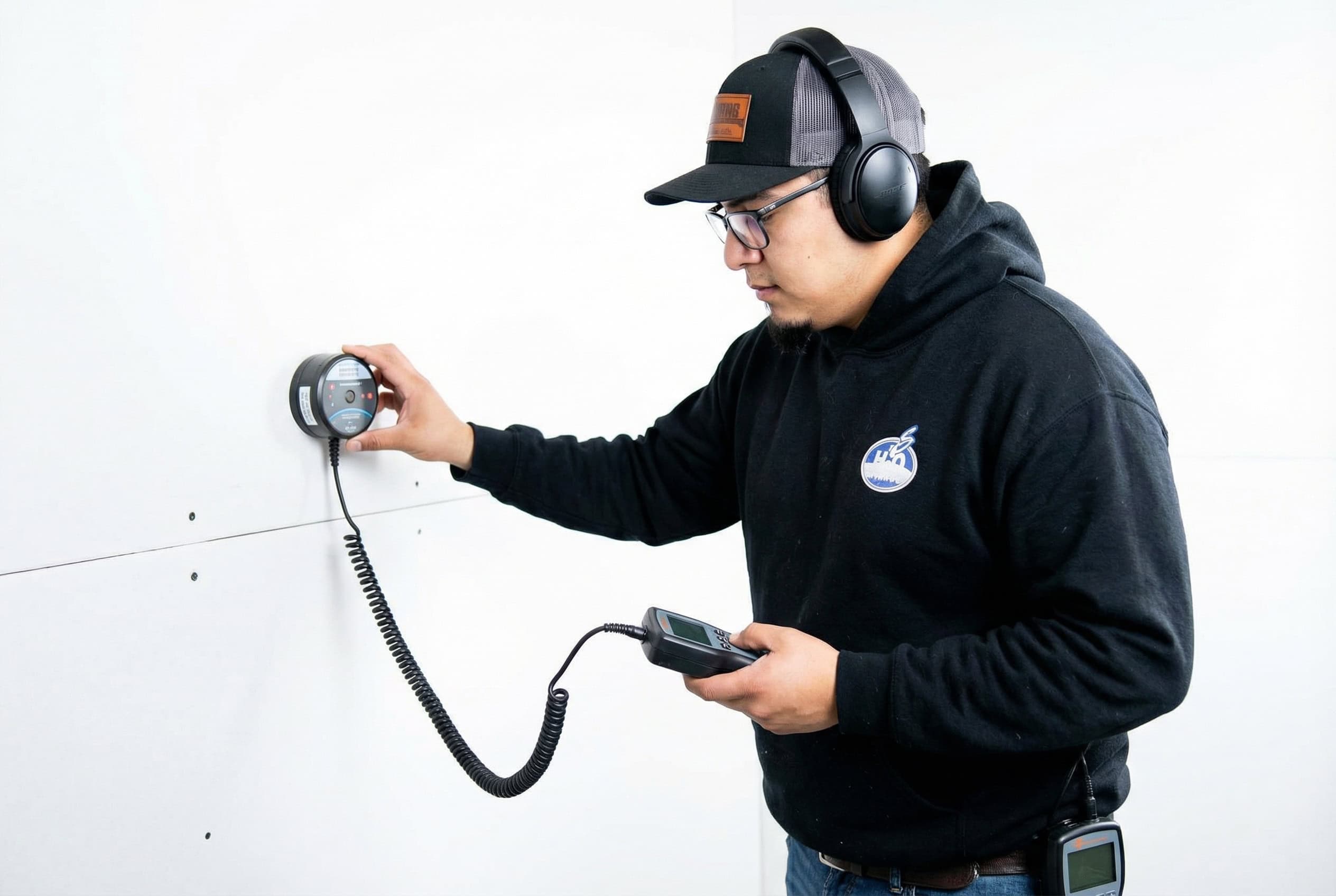
How Non-Invasive Leak Detection Technology Works
Modern leak detection relies on physics, not guesswork. When pressurized water escapes through a crack or hole in a pipe, it creates a distinct acoustic signature — a sound that travels through the pipe wall and into surrounding building materials. Our electronic listening devices amplify this signal, allowing our technicians to trace the sound to its source even through layers of drywall, concrete, and soil. The equipment is sensitive enough to detect a leak dripping as slowly as one drop per second behind a finished wall.
Thermal imaging adds a second layer of confirmation. An infrared camera detects temperature variations in walls, floors, and ceilings caused by moisture. Wet building materials register at different temperatures than dry materials, creating a visible thermal map that reveals not just the leak location but the full extent of moisture migration. This dual-method approach — acoustic detection confirmed by thermal imaging — allows us to locate leaks with pinpoint accuracy and assess the scope of any existing water damage before we open a single wall.
Book a leak inspection
Leak Detection for Portland-Vancouver Area Homes
The housing stock in the Portland-Vancouver metro area spans more than a century of construction methods and pipe materials, each with its own leak vulnerabilities. Pre-1960s homes in older Portland neighborhoods and downtown Vancouver often have galvanized steel supply pipes that corrode from the inside out, developing pinhole leaks at joints and along corroded sections. Homes built from the late 1970s through the mid-1990s may have polybutylene supply pipes that deteriorate when exposed to chlorine in municipal water, splitting suddenly without warning.
Clark County and Multnomah County homes also contend with the Pacific Northwest’s unique climate challenges. The region’s wet winters saturate soil around foundations, increasing hydrostatic pressure against basement walls and slab-on-grade foundations. This pressure can mask the signs of a plumbing leak — moisture in a crawl space may be attributed to ground water rather than a leaking supply pipe. Our technicians understand these regional factors and account for them during the detection process, using pressure testing to differentiate plumbing leaks from environmental moisture.
Detect leaks early
Same-Day Leak Detection and Repair in One Visit
One of the most common frustrations homeowners experience with leak detection is being told the leak has been found but the repair requires a separate appointment with a different company or crew. Meanwhile, the leak continues to run, and the damage continues to accumulate. At Sarkinen Plumbing, our leak detection technicians arrive equipped to both find and fix the problem in the same visit. There is no waiting for a second appointment while water continues to damage your home.
After locating the leak using our electronic and thermal detection methods, we discuss repair options with you on the spot. For most leaks — pinhole leaks in copper, failed fittings, cracked supply lines — the repair can be completed within an hour of detection. For more complex situations like slab leaks, we present options including spot repair through the slab, pipe rerouting above the slab, or full repiping if the leak is symptomatic of a systemic pipe failure. You make the decision, and we execute the repair the same day.
Find and fix leaks today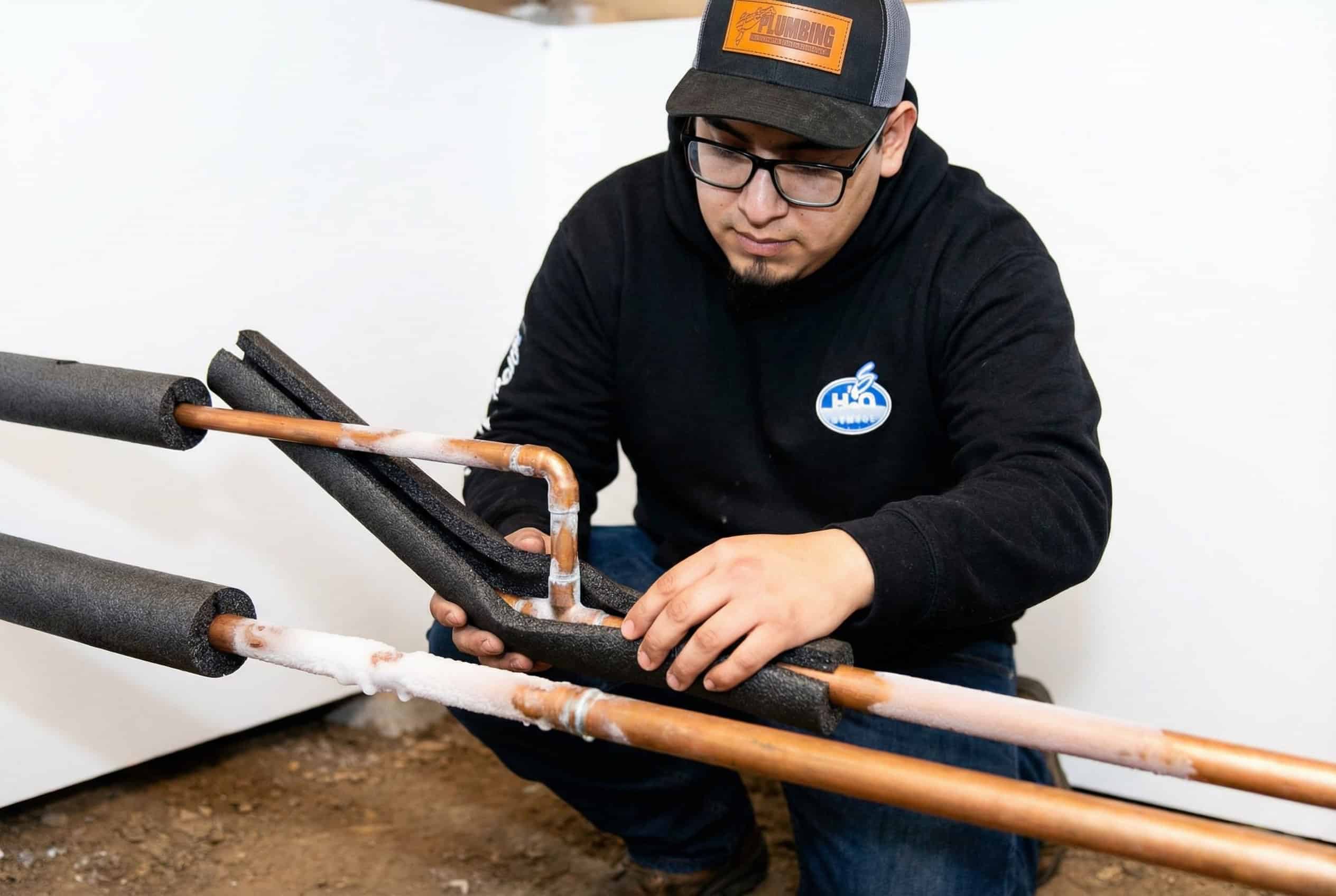
Emergency Scenarios We Handle
Slab Leak Detection Under Concrete Foundations
Slab leaks are among the most challenging plumbing problems to detect and repair because the leaking pipe is embedded in or beneath your home’s concrete foundation. The concrete makes the leak invisible and muffles the acoustic signature that our equipment relies on. Slab leaks are caused by pipe corrosion, soil settlement that stresses pipe joints, and thermal expansion and contraction from hot water lines running through concrete. Homes on slab foundations throughout Vancouver and Portland are susceptible, particularly those built with copper supply lines that contact the concrete directly.
Our slab leak detection process starts with a pressure test to confirm a leak exists in the supply system. We then use specialized acoustic equipment calibrated for concrete transmission to trace the sound of escaping water to a specific location on the slab. Thermal imaging confirms the location by revealing the warm spot created by a hot water leak or the cool spot created by a cold water leak beneath the floor. Once pinpointed, we discuss repair options — spot repair through the slab, rerouting the supply line above the slab through walls and attic space, or epoxy lining for less severe cases.
Slab leak detection
Hidden Wall and Ceiling Leak Detection
Water stains on walls and ceilings are the visible symptom of a hidden leak, but they rarely appear directly below the actual leak location. Water travels along pipes, joists, and framing members before gravity pulls it through the drywall at the path of least resistance. A stain on your living room ceiling may originate from a leaking pipe in the bathroom wall ten feet away. Cutting into the ceiling at the stain location often reveals wet materials but no pipe — and now you have unnecessary demolition in addition to the unresolved leak.
Our detection approach traces the moisture path back to its source rather than starting at the visible damage. We use thermal imaging to map the full extent of moisture migration through the wall or ceiling cavity, following the wettest path upstream to the pipe that is leaking. Acoustic detection then confirms the location by amplifying the sound of pressurized water escaping the pipe. This upstream tracing method ensures we open the wall at the right location the first time, minimizing the size and number of access points needed for repair.
Wall leak detection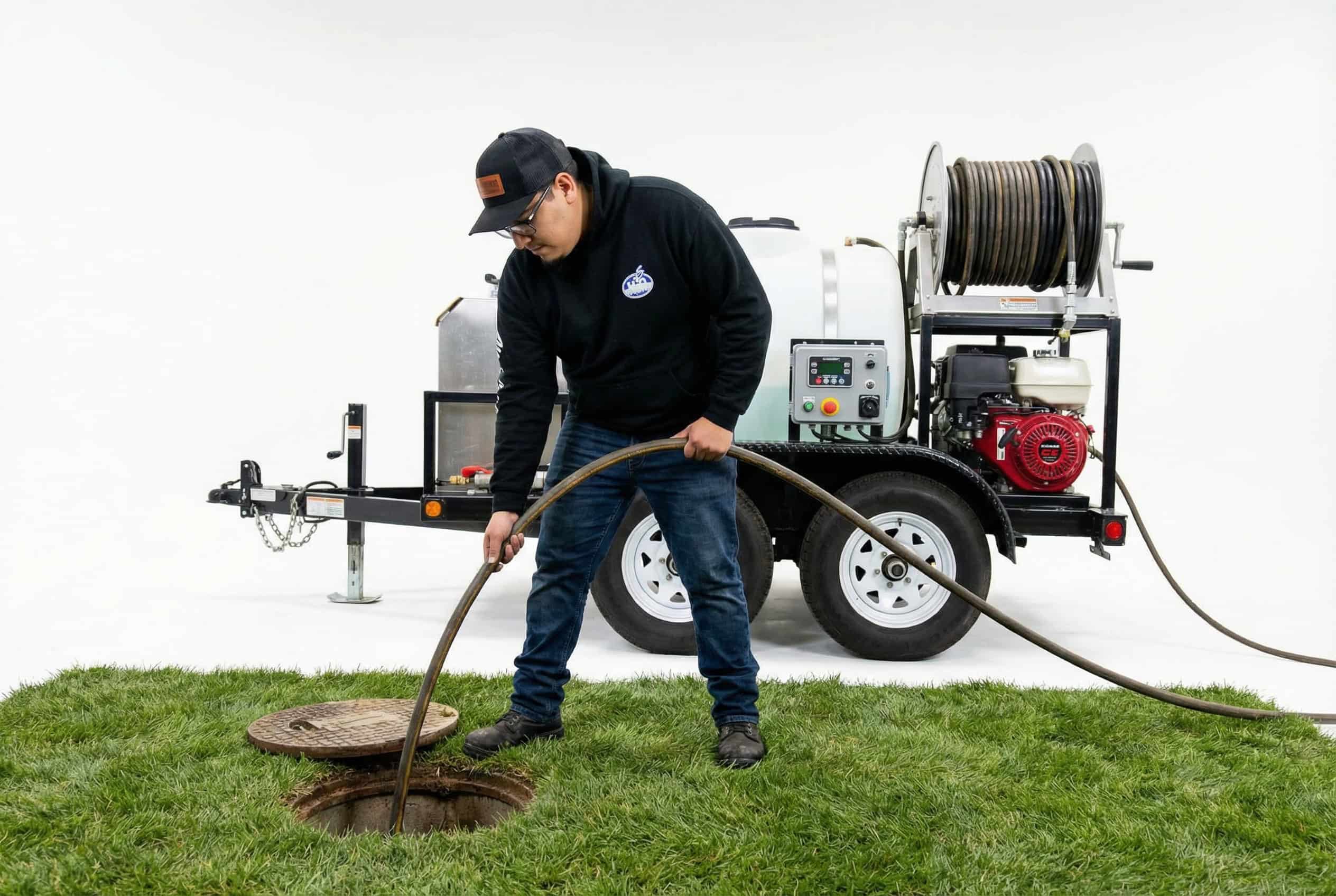
Underground Water Line Leak Detection
Your main water line runs underground from the city meter to your house, typically buried two to four feet deep beneath your front yard. When this pipe develops a leak, the water saturates the surrounding soil over a wide area rather than surfacing in a single, obvious location. The signs are subtle — a gradually increasing water bill, a soft or soggy patch in the yard that never quite dries out, or a slow decline in water pressure throughout the house. Many homeowners attribute these symptoms to the region’s wet climate and delay investigation for months.
We use a combination of electronic pipe tracing and acoustic detection to locate leaks in buried water lines. First, we trace the path of the pipe underground using an electronic locator to map its exact route from the meter to the house. Then we walk the pipe path with acoustic detection equipment, listening for the sound of water escaping under pressure. The leak location is typically identifiable to within a few feet, allowing us to excavate only the area directly over the break rather than trenching the entire yard.
Water line leak detection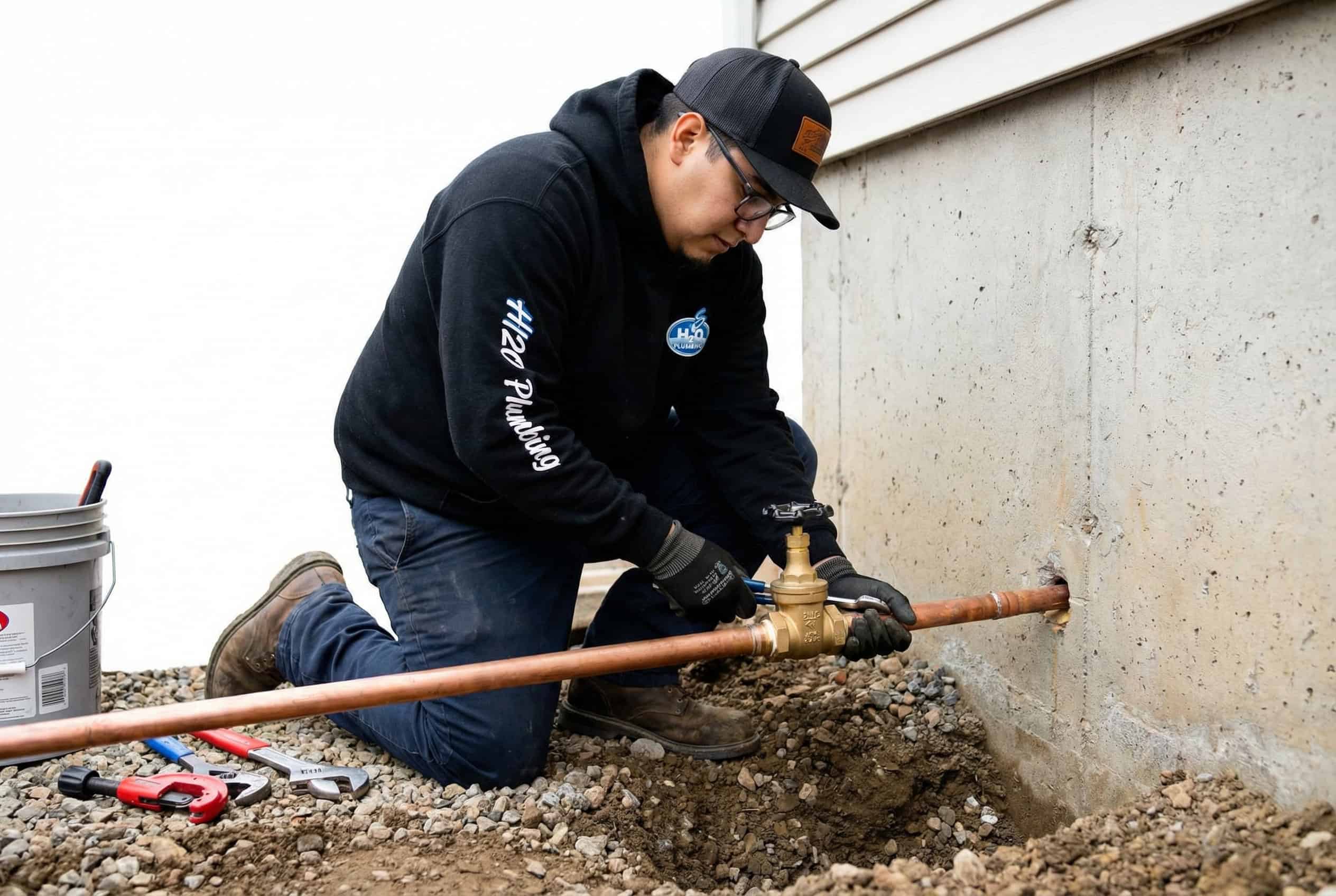
Crawl Space Leak Inspection and Repair
Many homes in the Vancouver-Portland area are built on crawl space foundations where the plumbing supply and drain lines are accessible but rarely inspected. Crawl spaces are dark, cramped, and often damp from ground moisture alone, which makes it easy for a plumbing leak to go unnoticed for months or even years. The moisture from a leaking pipe blends with the ambient dampness of the crawl space, and the first sign of a problem may be mold growth on floor joists, a musty odor inside the house, or soft spots in the flooring above.
Our plumbers physically inspect crawl space plumbing systems, checking every visible pipe, fitting, and connection for signs of leaking, corrosion, or damage. For leaks that are not visible — a supply line that leaks only under pressure, or a drain pipe that leaks only when a specific fixture is in use — we use pressure testing and fixture-by-fixture isolation to identify the source. Crawl space leak repairs are completed on site, and we can also recommend insulation and vapor barrier improvements that help protect your plumbing from moisture-related corrosion.
Crawl space inspection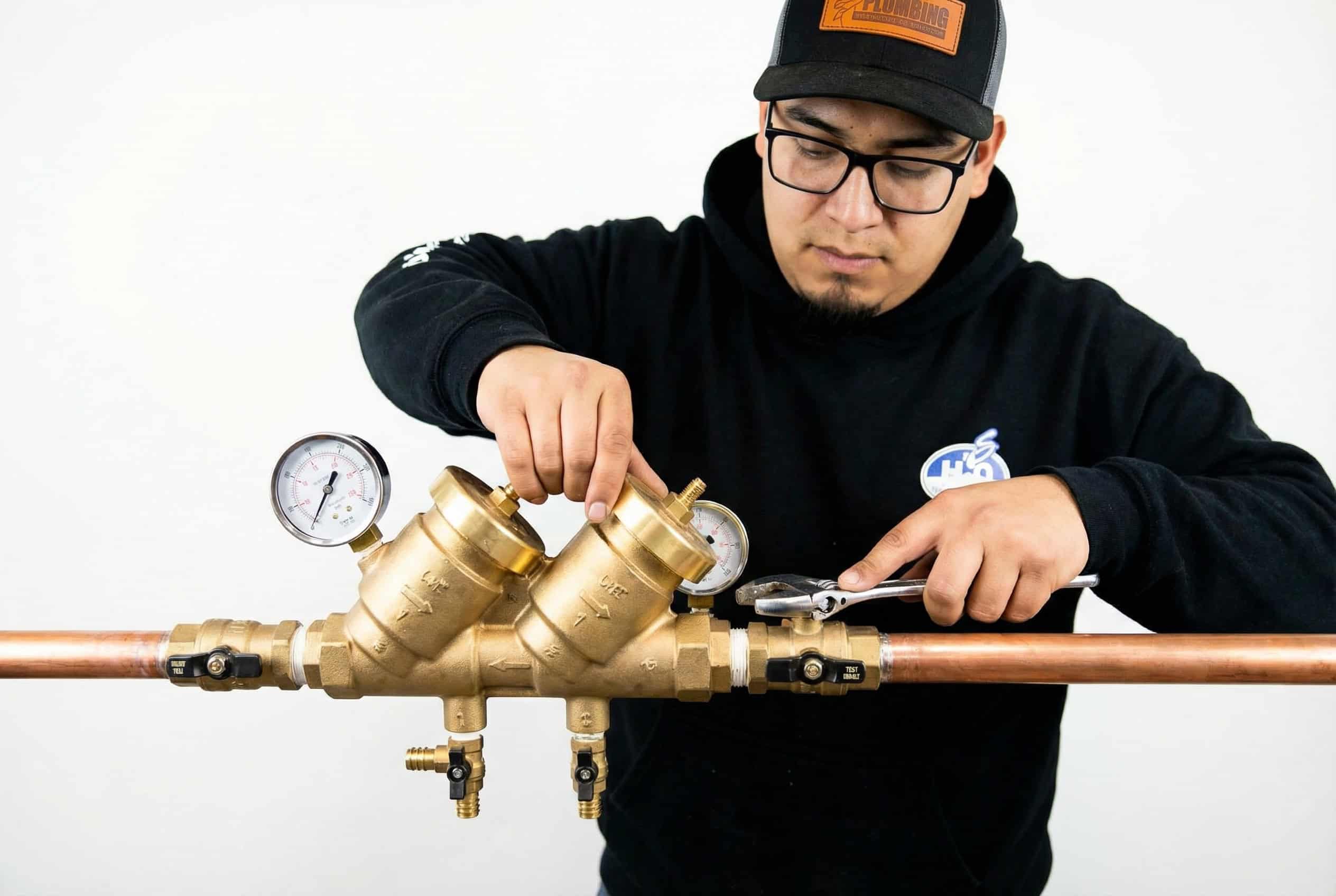
Pinhole Leak Detection in Copper Supply Pipes
Copper pipes are widely regarded as one of the most reliable plumbing materials, with an expected lifespan of 50 years or more. However, copper is not immune to failure. Aggressive water chemistry, electrolysis from contact with dissimilar metals, and certain soil conditions can cause copper pipes to develop pinhole leaks — tiny perforations that start as weeping drips and gradually worsen. The telltale signs are green or white mineral deposits on the exterior of exposed copper pipes, small drip stains below pipe runs in the basement or crawl space, and unexplained increases in your water bill.
When we detect multiple pinhole leaks in different locations throughout a home, it typically indicates a systemic problem with the copper rather than isolated failures. The water chemistry in the home may be corroding the pipes from the inside, or the copper may be nearing the end of its serviceable life. In these cases, we discuss the option of whole-house repiping with PEX as a long-term solution rather than chasing individual pinhole leaks that will continue to develop in other locations. We provide a comprehensive assessment so you can make an informed decision.
Copper pipe assessment
What Our Customers Say About Leak Detection
Portland & Vancouver’s Best Local Plumber
-
“I had a pipe leaking in my wall that went out to an outdoor faucet. Sarkinen Plumbing came out the next day when other plumbing companies were not available until next week. They did a great job on repairing the pipe and replacing the faucet with an anti-freeze set up. I will call them again when needed.”
 M W
M W“I called on a Friday mid morning that my water tank was leaking, keep in mind 3 other places I call prior to calling Sarinen could not help me with same day service. Ricky and Thomas showed up at 3 pm and stayed late until the job was done! WTG men job well done. Thanks for making a forever customer!”
judy hazel“I woke up to a leak in my kitchen ceiling from the upstairs bathroom. So I called Sarkinen and they sent out Dustin Ell, he had a solid idea what the issue was and got on it. He was knowledgeable and helpful and most importantly stopped the leak! Thank you!”
Rob Renner“I own a salon business and had Sarkinen come out and fix a leak with a shampoo bowl. The rep was named Carlos and he did an excellent job. Friendly and made things easy to understand as far as why there was a leak and the steps to fix it. I would recommend him and Sarkinen to anyone who owns a salon space because it’s hard to get plumbers to…”
Shaun Broetje -
“Had a leak in the morning, called, and was fixed before I got home from work, looks great and works perfect”
Suf B“I’ve been using Sarkinen’s services since I moved into my house 10 years ago. They have helped me with small things like toilet overflow to outside faucet replacement and as big as leak detection & pipe repair. I can’t speak to how their prices compare to others’ of like service, but what I can say is that they’re worth every penny in service,…”
Nichole Rip“Sarkinen helped us recently after a minor water leak at our home. As new home owners we had a lot of questions and our plumber was really patient, informative and gave great advice. They completed two lever installs and replaced an outdoor faucet with a no freeze faucet for us quickly and did a great job. We will definitely use them in the future.”
J M“Early yesterday morning we found a small pinhole leak on the supply line out of the waterheater. Had the water turned off and tried to find someone who could come out that day. Unfortunately the supply line was soldered on and so I couldn’t replace on my own. Texted Sarkinen at about 9:30a. Got an immediate response and scheduled for later…”
Jeff Wray -
“Had a toilet leak with water all over. I attempted to tighten a nut but to no avail. After listening to my concerns, Christian and Randal attempted to find the problem but were unable. Christian offered great advise, was respectful, professional, kind and helpful. Great guy. Even tho they could not determine the problem, I will be using…”
Jan Divens“I lost my hot water and water heater was leaking. I was unaware of the leak. Called Sarkinen Plumbing and within 1 1/2 days they did an inspection, estimate and replaced the water heater Totally satisfied with the result of my situation. Ive used Sarkinen in the past for other plumbing needs. I do recommend Sarkinen for any plumbing needs.”
Robert Pratoussy“tommy was very nice and very efficient repairing our leaky toilet.”
John Rindell“Wonderful customer service, quote & install same day for my water heater leak emergency! Reasonable quote & they gave me a senior discount. Also very friendly everyone who worked with me. Highly recommended.”
Louisa Hodge
Why Vancouver & Portland Homeowners Choose Sarkinen
Upfront, Fair Pricing
No hidden fees, no overtime charges. You get a clear, written price before any work begins. Same rate day or night.
Licensed in WA & OR
Dual-state licensing (WA #SARKIPI946MF, OR #170052) means we serve the entire Portland-Vancouver metro.
24/7 Emergency Service
We answer the phone day and night. A licensed plumber is dispatched immediately — at your door within 60-90 minutes.
Satisfaction Guaranteed
Every repair backed by our workmanship guarantee. Background-checked, drug-tested plumbers who treat your home with care.
Cities We Serve for Leak Detection
Washington
Leak Detection Questions & Answers
We use a combination of electronic leak detection equipment, acoustic listening devices, and thermal imaging cameras to locate leaks without unnecessary demolition. Electronic sensors detect the sound of pressurized water escaping from a pipe, even through drywall and concrete. Thermal imaging reveals temperature differences caused by moisture behind walls. These tools allow us to pinpoint the leak location precisely, so we only need to open a small area to access and repair the pipe.
A slab leak is a water leak in a pipe that runs beneath the concrete foundation of your home. The pipes embedded in or under the slab can develop leaks due to corrosion, soil movement, or poor original installation. Slab leaks are particularly problematic because you cannot see them directly. Signs include unexplained increases in your water bill, warm spots on the floor, the sound of running water when all fixtures are off, and damp or warped flooring. We use electronic leak detection to locate slab leaks precisely and then determine the best repair approach.
Common signs include an unexplained increase in your water bill, the sound of running water when no fixtures are in use, damp spots on walls or ceilings, musty odors, mold growth in unexpected areas, and low water pressure. You can also check your water meter: turn off all water fixtures, note the reading, wait 30 minutes without using any water, and check again. If it has moved, you have a leak somewhere in the system.
Absolutely. Even a slow, pinhole leak can cause significant structural damage over time. Water seeping into wall cavities, subfloors, and crawl spaces promotes mold growth, wood rot, and can compromise structural framing members. A leak that drips just one drop per second wastes over 3,000 gallons per year and can cause thousands of dollars in water damage and mold remediation costs. Early detection and repair is always more cost-effective than dealing with the consequences of a long-term hidden leak.
Most residential leak detection appointments take between one and two hours. The process involves pressurizing the system, using electronic and acoustic equipment to scan for the leak, and confirming the location. Simple leaks in accessible areas can be found in under an hour. More complex situations like multiple leaks or leaks under concrete slabs may take longer. Once we locate the leak, we provide repair options and pricing before proceeding.
Schedule Leak Detection Today
Available 24/7. Call now or schedule online.
- Vancouver 360-369-3586
- Portland 503-925-3504
Vancouver Location
Proudly Serving
Portland and Vancouver
from Wilsonville to Longview &
Hillsboro to Gresham
UBI # 602-521-027
OR Contractor Lic# 170052 (CCB)
WA Contractor Lic# SARKIPI946MF
OR Plumber Lic# PB115
Customer Satisfaction
4.6 stars - Based on 227 Reviews







Quick Links
Plumbing Services
SW Washington Service Areas
Oregon Service Areas
Contact Information
Sarkinen PlumbingVancouver
9502 NE 72nd Ave
Vancouver, WA 98665
Phone: 360-369-3586
Portland
Phone: 503-925-3504
Hours of Operation
Monday - Sunday 24-hours