- Vancouver 360-369-3586
- Portland 503-925-3504

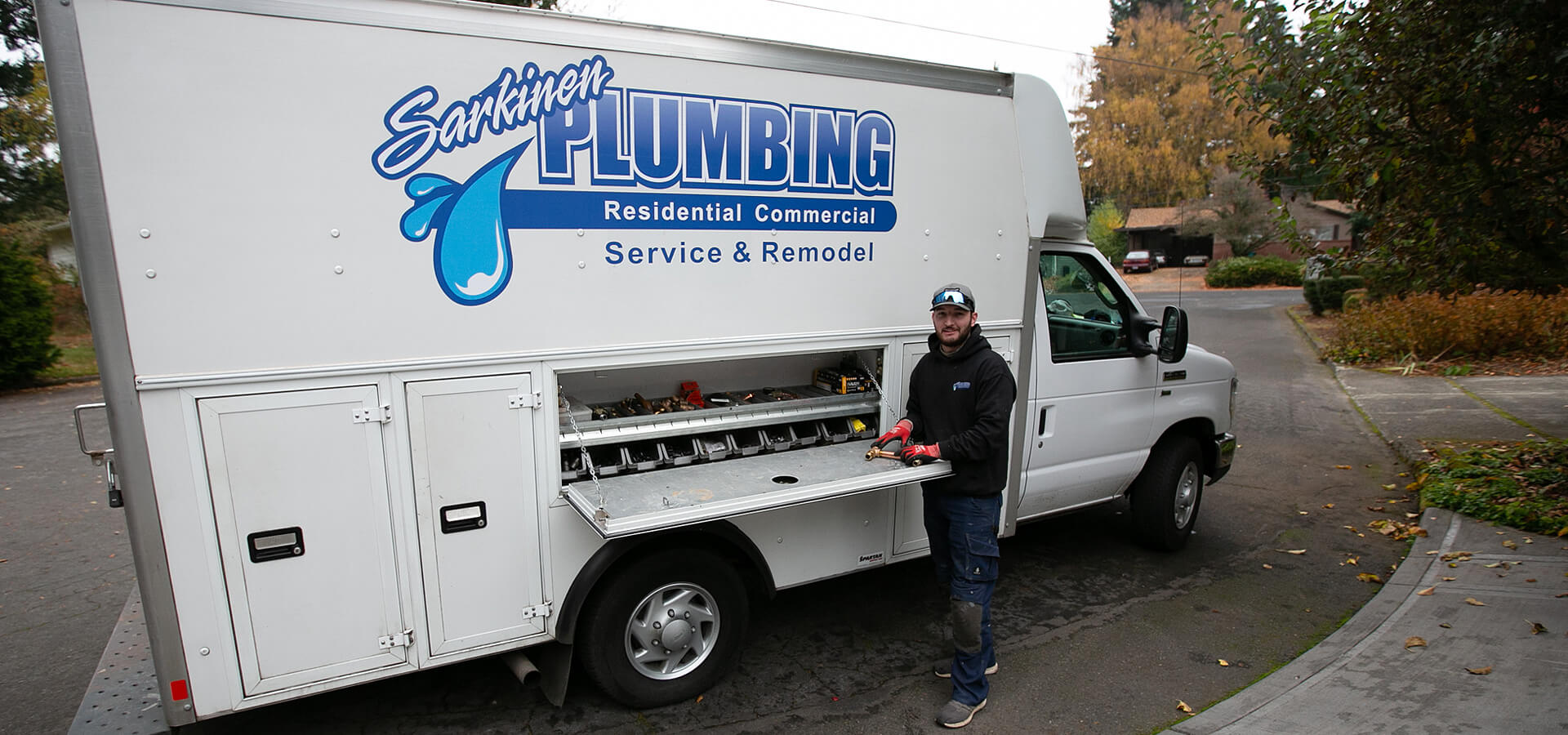
Longview Plumber
Burst Pipes to Clogged Drains — 24/7 Emergency Plumber Serving All of Cowlitz County
- Fast Same Day Service
- No Obligation Estimate
- Commercial & Residential Plumbing




Check out our
coupons!
We Offer
*0%
Financing
-
 off
off
Any service for new customers!
(*Minimum Purchase Required)
EXPIRES 6/26 -
 off
off
Main Water Service Replacement
Call now for details!
EXPIRES 6/26 -
 off
off
Water Heater Replacement
Call now to schedule!
EXPIRES 6/26 -
 off
off
Rain Drain Clearings
(*Minimum Purchase Required)
EXPIRES 6/26 -
 off
off
Seniors & Military
(*Minimum Purchase Required)
EXPIRES 6/26



customer reviews
Longview’s Best Local Plumber
-
“Definitely recommend this company! Ask for Mick….he’s the best!”
 kate Stempien
“As a property management company, we are in need of quick responses and timely service…both of which Sarkinen Plumbing provided for us. They are a valuable partner for our business and appreciate the quick turnaround.”
Randy Davison“Sarkinen is great in terms getting back and getting there team out quickly. Alex and Michael did a wonderful job evaluating the problem and giving quick and easy to understand solutions. And also explained a potential future problem and how to avoid it. Great service as always. Thank you.”
Charles Doepken“Your guys showed up on time. In a word fantastic! Great price.”
Joni Moore -
“Professional, including courteous, tidy, from the 1st connection via phone. I’m very pleased & satisfied with the work.”
Cynthia Alden“Brock did a wonderful job on my furnace maintenance. He was courteous, cleaned up after himself, and was efficient.”
Alina Svirdan“Very helpful and friendly. Thank you”
jolynn anderson“Needed something new, and got it”
Ronald Jones -
“Mick was great. Went through all options. Explained everything as he was working and got the job done! He also gave us tips to help make sure our plumbing stays working for the future. Thank you!”
April Machado“I’ve been very pleased with my experiences with Sarkinen Plumbing. Consistent high quality work and clever fixes to a variety of my problems. I’m definitely a satisfied customer.”
Tom Gustafson“Ryan and James did a great job to fix the broken water pipe. They are very nice and professional. They came on a very cold day. We really appreciated. I will use Sarkinen again and strongly recommend to my friends.”
Amber Sun“James and Loren were the very best!! Fast accurate and very pleasant.! You just can’t get better service. Thanks for A great job well done!! Re pipe house . Jim and Jan Robirts”
Jim Robirts
Professional Plumbing Services
Residential & Commercial Plumbing Contractor


Hire a Local Longview Plumber
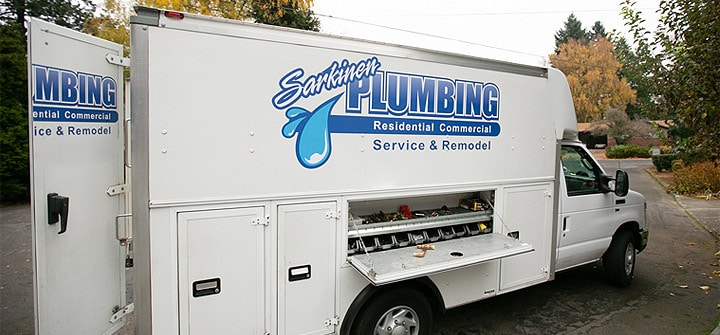

5-Star Plumbing Service Guarantee
We Deliver Same-Day Service When You Need Help Now
Tony Sarkinen started as an apprentice plumber and journeyman in 1991 and got his experience with several companies throughout Clark County. In 2003, Tony opened his own business which was built on hard work and exceptional customer service. He wanted a business where all his employees treat their customers the way he wanted to be treated. Tony Sarkinen has achieved those goals. Today, the Sarkinen Plumbing team continues to grow and serve the Portland, Oregon, and SW Washington communities in the same manner as when Tony began the company all those years ago. To ensure all work is up to industry standards, our technicians provide our signature 5-star plumbing service and follow our exceptional code of ethics.
Simply put, we are here to provide you and your family with incredible customer service. Sarkinen Plumbing provides quality service to our customers with name-brand reliable products. Our technicians have everything they need to conduct a fast, efficient, and clean work area no matter where the job. We guarantee our work from start to finish and follow up to assure everything is to your satisfaction.
READ MORE ABOUT USLongview Plumbing Experts
Century-Old Cast Iron Drain Lines Are Failing Across Longview
Longview’s founding in 1923 means the original neighborhoods around Civic Circle, Columbia Heights, and R.A. Long Park contain homes with plumbing that is approaching or has passed the 100-year mark. The cast iron drain lines in these homes were manufactured using a sand-casting process that produced thick, heavy pipe designed for durability. And they have been durable—far more so than anyone in the 1920s expected. But cast iron is not immortal. After decades of carrying wastewater, the bottom of each horizontal pipe section develops channeling, a form of erosion where the constant flow of water wears a groove into the metal. That groove deepens year after year until the pipe wall thins to nothing and water begins leaking into the soil or the crawl space below.
The tricky part of cast iron deterioration is that it happens from the inside. From the outside, the pipe may look intact—still solid, still heavy, still apparently functional. A sewer camera inspection reveals the truth. We send a high-definition camera through the drain system and can show you exactly where channeling has thinned the pipe, where joints have separated, and where root intrusion has found gaps in the aging iron. For Longview’s historic homes, we offer two repair paths: trenchless pipe lining, which coats the interior of the existing pipe with a cured-in-place resin that creates a smooth new pipe inside the old one, or targeted section replacement where only the most deteriorated segments are cut out and replaced with PVC. Both approaches avoid the full-scale demolition that homeowners fear when they hear the words drain line replacement.
Schedule a drain line inspection
Longview’s 46 Inches of Annual Rain Punish Every Drainage System
Portland averages around 37 inches of rain per year. Vancouver gets about 40. Longview gets 46 or more. That difference is significant when you consider the cumulative stress that persistent rainfall puts on residential drainage systems. Sewer laterals in Longview spend months at a time surrounded by saturated soil, and the hydrostatic pressure from that saturated ground pushes groundwater through every crack, offset joint, and deteriorated connection in the pipe. This infiltration overwhelms the sewer system during heavy storms and can cause backups in individual homes when the capacity of a root-compromised lateral is exceeded by the combined flow of wastewater and groundwater pushing in from outside.
Protecting a Longview home from rain-driven drainage problems requires attention at multiple points. A backwater valve on the sewer lateral prevents sewage from reversing direction when the system backs up during storms. A sump pump with battery backup handles the groundwater that inevitably finds its way into crawl spaces and basements in low-lying areas like the Lower Columbia corridor and NE Longview. And regular sewer camera inspections catch the root intrusion and joint deterioration that allow groundwater infiltration in the first place. We recommend that every Longview homeowner with a sewer lateral older than 30 years have it camera-inspected at least once to establish a baseline understanding of its condition. The cost of a camera inspection is a fraction of what a sewer backup cleanup costs.
Protect your home from backups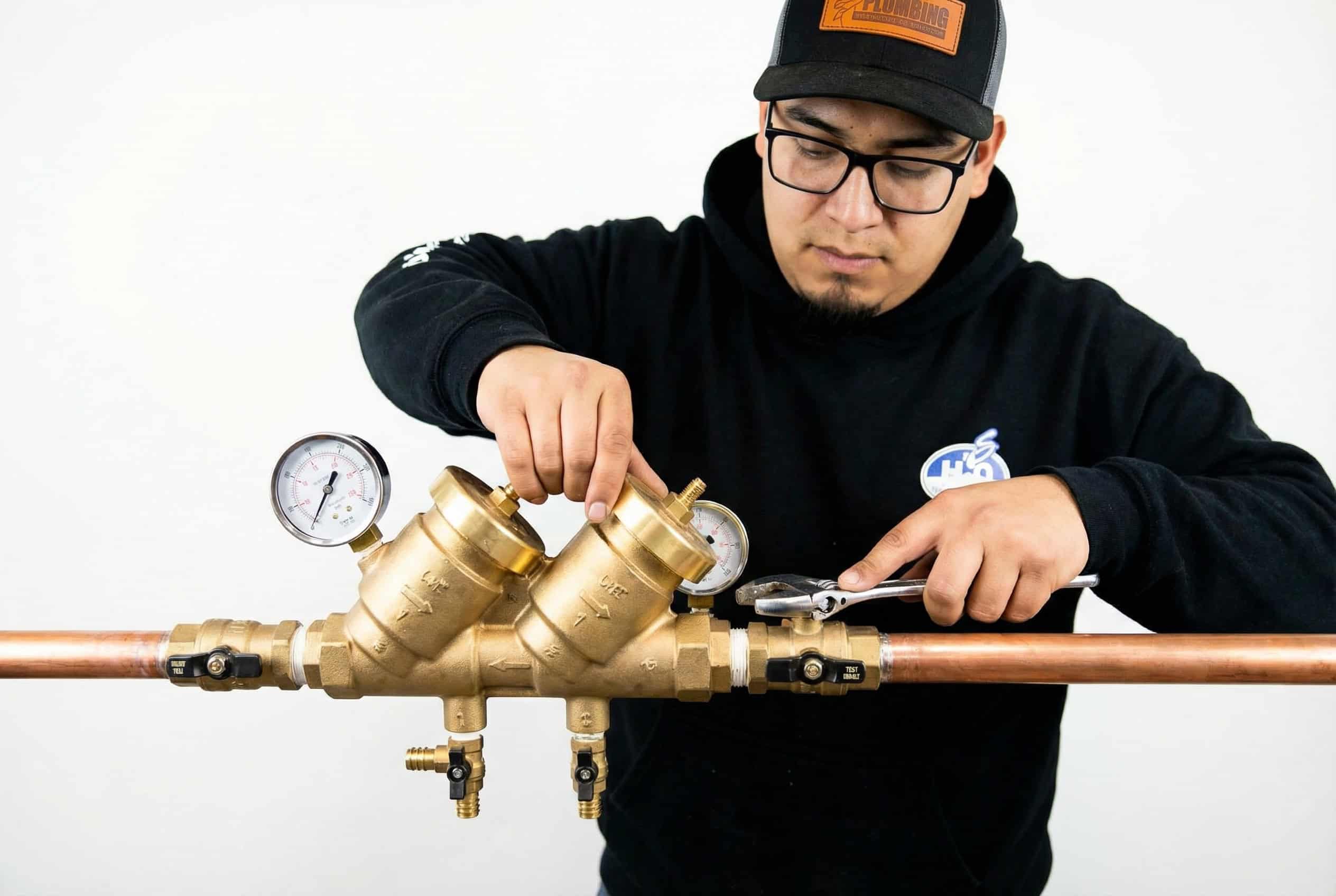
Repiping Longview’s Historic Homes Without Destroying Their Character
The craftsman bungalows and colonial revival homes around R.A. Long Park and Civic Circle are among the most architecturally significant residential properties in Southwest Washington. Their original woodwork, built-in cabinetry, and period details give them a character that modern homes cannot replicate. But behind those plaster walls, the galvanized steel supply lines that have carried water to every fixture for 80 to 100 years are corroded nearly shut. Water pressure at the kitchen faucet may be half of what it was a decade ago. The upstairs bathroom barely produces enough flow to rinse shampoo. And the rust particles flaking off the inside of the pipe give the water an orange tint that stains porcelain and makes drinking from the tap unappealing.
We have developed a repiping approach specifically for Longview’s historic homes that minimizes damage to original walls and finishes. New PEX supply lines are routed through crawl spaces, attics, and existing pipe chases wherever possible. Where wall access is unavoidable, we make small, surgical cuts that we patch cleanly when the work is complete. The original galvanized risers are abandoned in place rather than pulled out of the walls, which avoids the plaster damage that extraction would cause. The result is a home with modern water pressure, clean water at every tap, and no visible evidence of the work except for new shut-off valves under each fixture. For Columbia Heights homeowners considering a repipe, we invite you to call and ask about our approach—we have repiped dozens of homes in your neighborhood and can provide references.
Get a repiping consultation
Root Intrusion in West Longview’s Tree-Lined Neighborhoods
West Longview and the Olympic neighborhood are defined by their mature landscape—towering Douglas firs, western red cedars, and large deciduous trees that create a canopy over the residential streets. Those trees make the neighborhood beautiful and desirable. They also send aggressive root systems through the soil in search of water and nutrients, and the most reliable source of both is often the nearest sewer lateral. Roots enter pipes through joints, cracks, and the porous walls of older clay and cast iron pipe. Once inside, they expand into a dense mat that traps toilet paper, grease, and solid waste until the line is fully blocked and sewage backs up into the lowest drain in the home.
We perform more root-related sewer service in West Longview than in almost any other neighborhood in our coverage area. For homeowners dealing with their first root clog, mechanical root cutting clears the blockage and restores flow immediately. But the roots will grow back, typically within 6 to 18 months, because the entry points in the pipe remain open. For homeowners who have been through this cycle two or three times and are ready for a permanent solution, we recommend either trenchless pipe lining or full lateral replacement. Lining is ideal when the existing pipe is structurally sound but has root-penetrated joints—the resin sleeve seals every gap without excavation. When the pipe itself has collapsed or developed severe channeling, replacement with new PVC is the more reliable path. We camera-inspect before recommending either option, so the decision is based on what we actually see, not assumptions.
Book sewer root clearing
Lead Solder in Pre-1986 Longview Homes Is a Drinking Water Concern
Before 1986, plumbers across the country used lead-based solder to join copper water supply pipes. It was standard practice, legal, and considered safe at the time. We now know that lead solder can leach trace amounts of lead into drinking water, particularly in homes where the water sits in pipes overnight or where the water chemistry promotes corrosion of the solder joints. Longview has one of the highest concentrations of pre-1986 housing stock in our service area, which means thousands of homes may still have lead solder on their copper supply joints. The homes in Columbia Heights, the Civic Circle area, NE Longview, and West Longview are statistically most likely to be affected.
Testing for lead in drinking water is straightforward and inexpensive—a first-draw sample from the kitchen tap after the water has sat in the pipes overnight provides the most accurate reading. If elevated lead levels are detected, the permanent solution is repiping the supply system, which replaces every soldered joint with lead-free PEX connections. In the interim, a point-of-use filter certified for lead removal at the kitchen faucet provides immediate protection for drinking and cooking water. We encourage every Longview homeowner with a pre-1986 home to test their water, and we can coordinate the testing as part of any service call. Knowing what is in your water is the first step toward ensuring your family’s safety.
Request a water quality test
Why Longview Homeowners Choose Sarkinen
Upfront, Fair Pricing
No hidden fees, no overtime charges. You get a clear, written price before any work begins. Same rate day or night.
Licensed in WA & OR
Dual-state licensing (WA #SARKIPI946MF, OR #170052) means we serve the entire Portland-Vancouver metro.
24/7 Emergency Service
We answer the phone day and night. A licensed plumber is dispatched immediately — at your door within 60-90 minutes.
Satisfaction Guaranteed
Every repair backed by our workmanship guarantee. Background-checked, drug-tested plumbers who treat your home with care.
Serving Every Longview Neighborhood
-
Contact Sarkinen Plumbing
- Services in Vancouver
360-369-3586Services in Portland
503-925-3504
Call for Emergency Services
Meet Our Team of Professionals

Carlos
Plumbing Helper
Ciro
Plumbing Technician
Dylan
Plumbing Technician
Matthew F
Plumbing Technician
Mick C
Plumbing Technician
Mike
Plumbing Technician
Robert
Plumbing Technician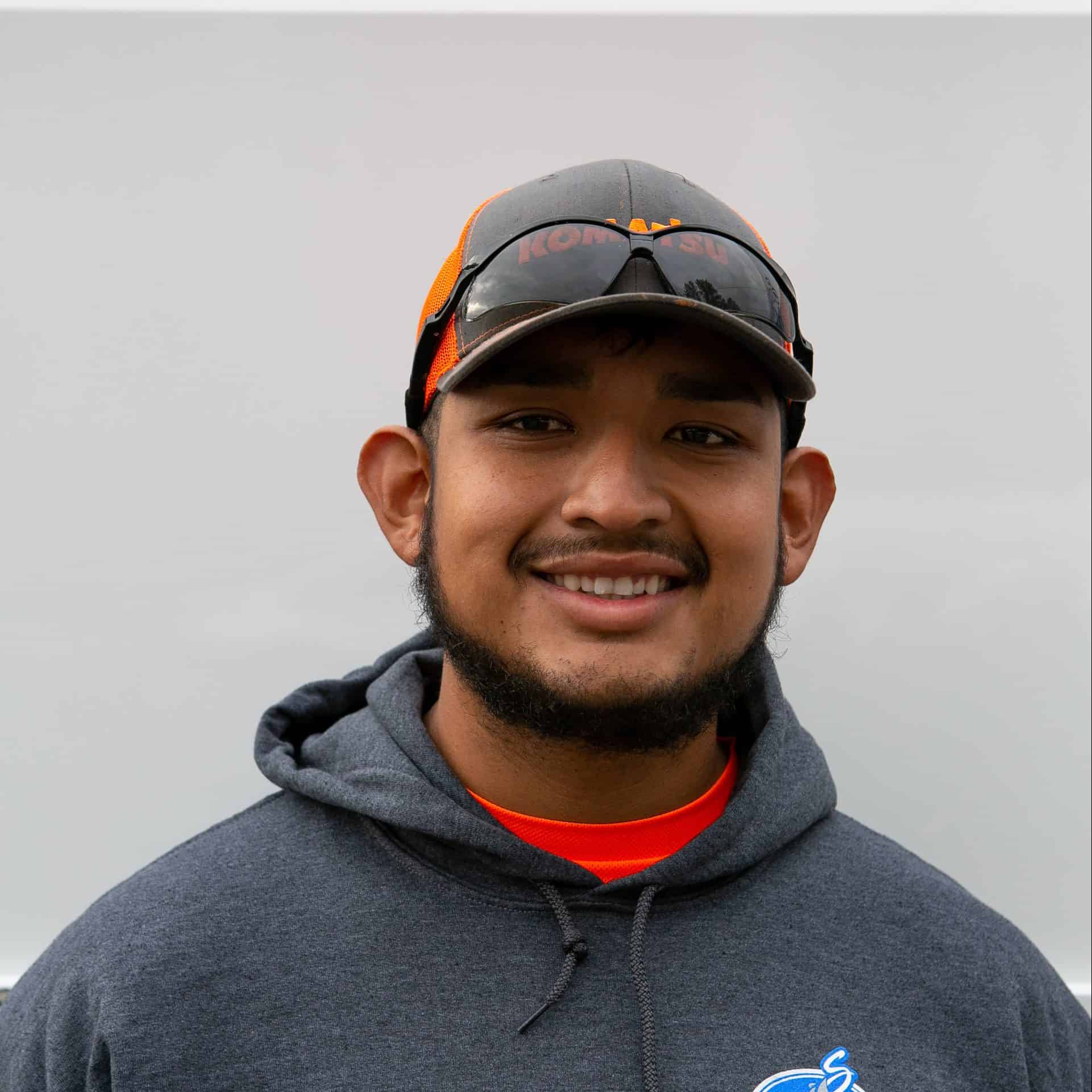
Sebastian
Plumbing Technician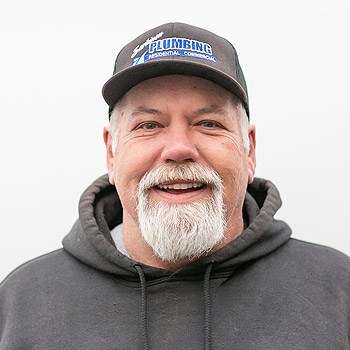
Tim
Standard Shop Technician
Ricky
Camera Technician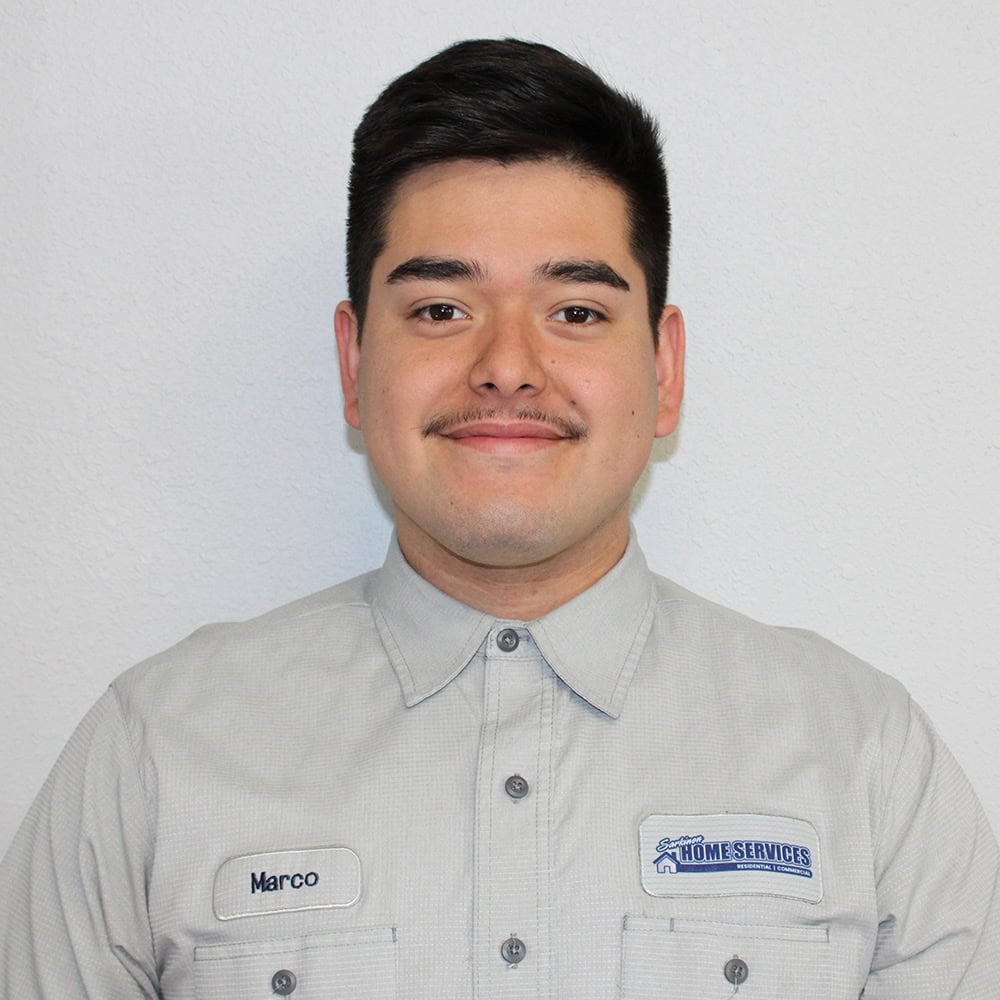
Marco G
Camera Technician
Alex G
Drain Technician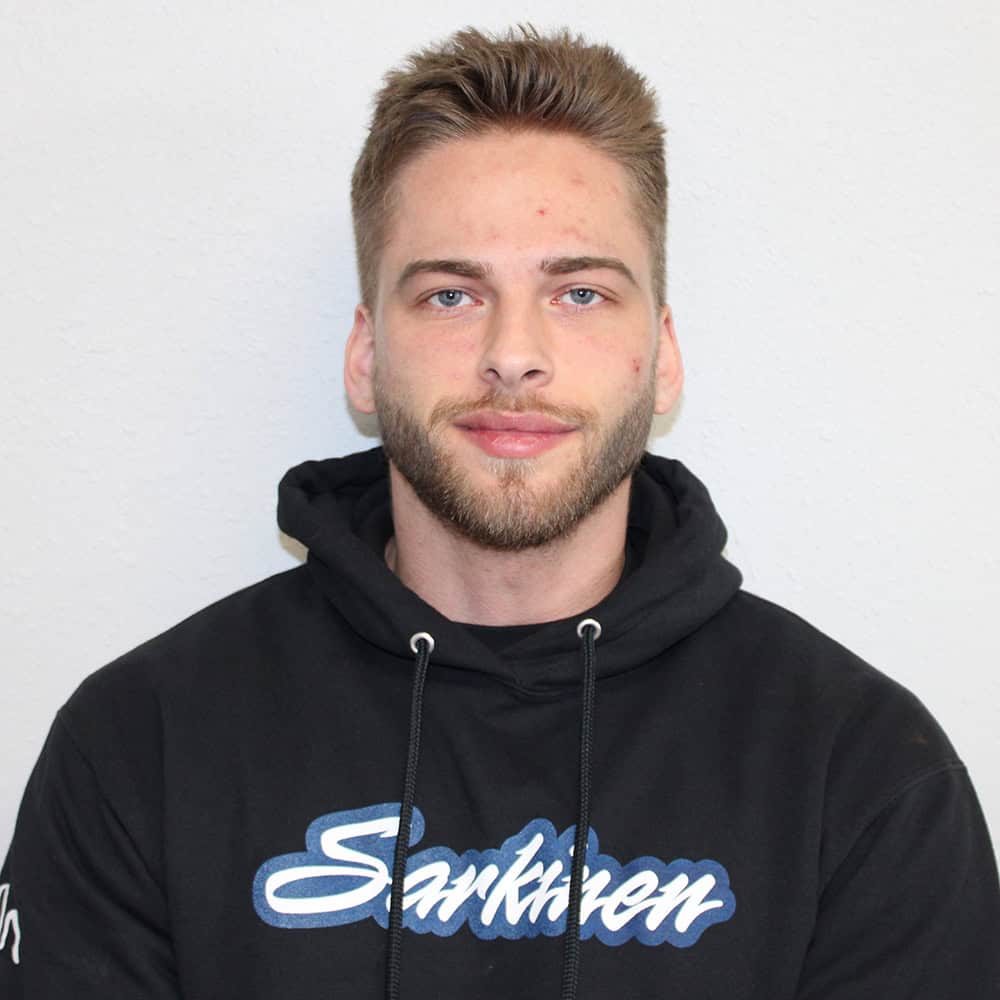
Leighton
Drain Technician
Chris D
Drain Technician
Michael W
Drain Technician
Longview Plumbing Questions & Answers
Original plumbing from the 1920s and 1930s has exceeded its expected lifespan by decades. While some cast iron drain lines can last 80-100 years under ideal conditions, Longview’s heavy rainfall and active root environment means most have deteriorated significantly. Galvanized supply pipes from this era are almost certainly heavily corroded internally. And importantly, solder used on copper joints before 1986 often contained lead, which can leach into your drinking water. We strongly recommend a comprehensive plumbing inspection for any pre-1940 Longview home, including a lead test on solder joints and a camera inspection of drain lines.
If roots keep coming back, it means they have a persistent entry point—usually a cracked joint, offset pipe, or deteriorated connection. Annual root cutting treats the symptom, not the cause. For Longview’s older sewer laterals, we offer two permanent solutions: trenchless pipe lining (CIPP), which inserts a resin-coated liner that hardens inside your existing pipe to create a jointless, root-proof barrier, or conventional lateral replacement, where we install a new PVC sewer line from your home to the city main. We’ll camera-inspect your lateral and recommend the most cost-effective permanent fix based on its specific condition.
In Longview’s older homes, low water pressure is almost always caused by galvanized steel supply pipes that have corroded internally. After 60-100 years, the inside of a galvanized pipe can be so clogged with rust and mineral buildup that the effective diameter is reduced from 3/4 inch to less than 1/4 inch. No amount of faucet replacement or pressure adjustment will fix this—the pipe itself is the restriction. A whole-home repipe to PEX will restore full water pressure and is typically the most impactful upgrade you can make to an older Longview home.
Significantly. Longview receives roughly 46 inches of rain per year, well above the regional average. This volume of rainfall affects plumbing in several ways: saturated soil increases hydrostatic pressure on below-grade drain lines and sewer laterals, promoting infiltration through cracks and joints. Storm events can overwhelm the city’s combined sewer-storm system in some older areas, causing backups. And constant moisture in crawl spaces accelerates corrosion on pipe fittings and supports. We recommend annual inspections of crawl space plumbing, a functioning sump pump for homes with below-grade spaces, and a backwater valve to prevent sewer backups during heavy storms.
Yes, and we do it regularly. Our approach to repiping older Longview homes minimizes wall and ceiling damage by routing new PEX supply lines through existing pipe chases where possible, using attic and crawl space runs to reach fixtures, and making surgical access holes that we patch neatly when finished. For drain lines, we evaluate whether the existing cast iron can be lined in place (avoiding wall opening entirely) or whether targeted replacement of specific sections is sufficient. Our goal is always to modernize the plumbing while preserving the home’s historic character.
Schedule Your Longview Plumbing Service
Licensed in Washington (#SARKIPI946MF). Same rate day or night. Call now or book online.
- Vancouver 360-369-3586
- Portland 503-925-3504
Vancouver Location
Proudly Serving
Portland and Vancouver
from Wilsonville to Longview &
Hillsboro to Gresham
UBI # 602-521-027
OR Contractor Lic# 170052 (CCB)
WA Contractor Lic# SARKIPI946MF
OR Plumber Lic# PB115
Customer Satisfaction
4.6 stars - Based on 227 Reviews







Quick Links
Plumbing Services
SW Washington Service Areas
Oregon Service Areas
Contact Information
Sarkinen PlumbingVancouver
9502 NE 72nd Ave
Vancouver, WA 98665
Phone: 360-369-3586
Portland
Phone: 503-925-3504
Hours of Operation
Monday - Sunday 24-hours